
Samsung Galaxy S26 Series Display Truth: Why It Lacks 10-Bit Color Support
Samsung’s latest flagship non-foldable smartphone, the Galaxy S26 Ultra, was expected to bring several significant upgrades over its predecessor, the Galaxy S25 Ultra. During the initial Galaxy S26 press briefings, Samsung indicated that one of the primary enhancements was a transition to a display with 10-bit color depth, moving away from the 8-bit color depth used in previous generations.
- ✨ Samsung has officially clarified that the Galaxy S26 series utilizes 8-bit displays rather than 10-bit.
- ✨ The clarification applies to the entire lineup, including the S26, S26+, and the S26 Ultra.
- ✨ Advanced techniques like Frame Rate Control (FRC) are likely used to simulate higher color depth.
- ✨ Despite the 8-bit panel, the S26 Ultra shows improved color banding compared to the S25 Ultra.
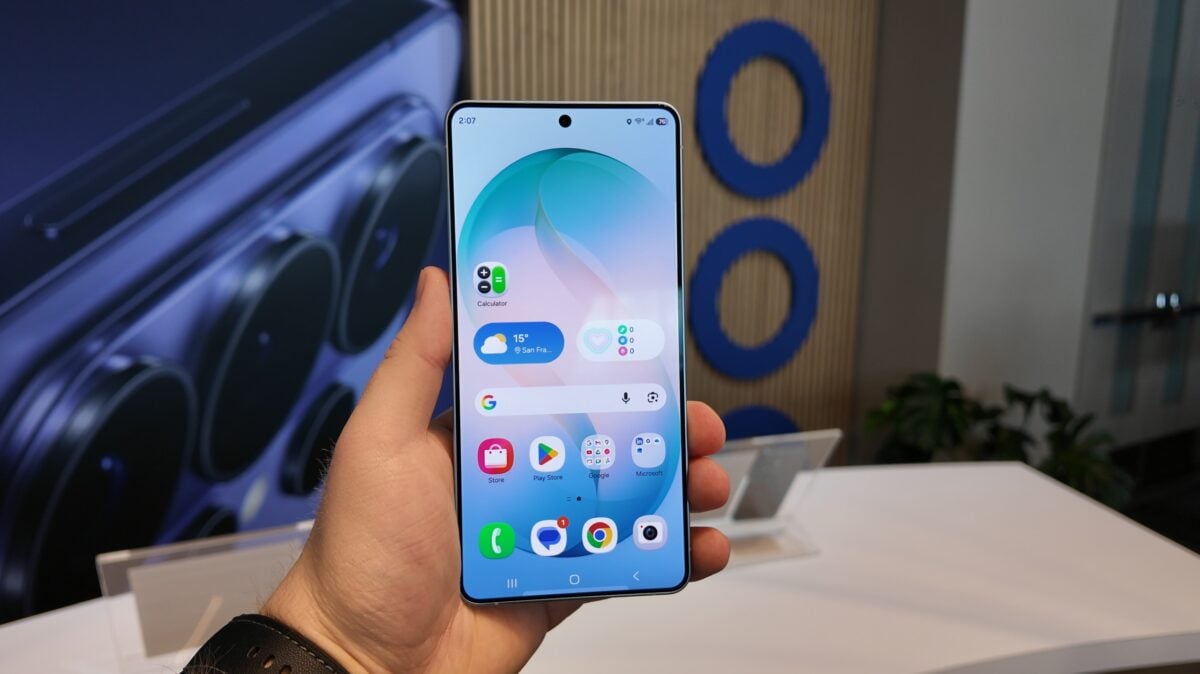
However, that initial information has been corrected. A Samsung spokesperson recently reached out to clarify that the Galaxy S26 Ultra actually features a display with an 8-bit color depth. This correction changes the narrative surrounding the device's technical specifications and may impact the expectations of enthusiasts who prioritize display technology.
Confusion Over the 8-Bit Panel Across the Lineup
Upon further inquiry, the brand confirmed that the 8-bit limitation is not exclusive to the Ultra model; it also applies to the standard Galaxy S26 and the Galaxy S26+. This news might be particularly disappointing for customers who participated in the pre-order phase based on the earlier claims of a 10-bit upgrade.
A display with 10-bit color depth is capable of producing approximately 1.07 billion colors. In contrast, an 8-bit display offers 16.7 million colors. The primary benefit of the higher bit depth is a significant reduction in "banding"—the visible lines between different shades of the same color—and overall superior color accuracy for professional photo and video work.
Interestingly, while the hardware remains 8-bit, early reports and content creators have noted that the S26 Ultra display does show reduced banding when compared directly to the Galaxy S25 Ultra. This suggests that Samsung is utilizing sophisticated software and hardware optimizations to bridge the gap.
Understanding FRC: How Samsung Simulates 10-Bit
Since the Galaxy S26 Ultra does not utilize a native 10-bit panel, experts assume the brand is achieving its improved visual performance through Frame Rate Control (FRC). This technology, often referred to as 8-bit + FRC, cycles pixels rapidly between two colors to simulate a shade that the panel cannot natively display. This effectively mimics a 10-bit experience on 8-bit hardware.
While many competing smartphone manufacturers have transitioned to native 10-bit displays in their flagship devices, Samsung remains focused on other aspects of display technology, such as peak brightness and anti-reflective properties.
Does the Galaxy S26 Ultra have a 10-bit display?
No, Samsung has officially clarified that the Galaxy S26 Ultra features an 8-bit display, correcting earlier reports that suggested a 10-bit upgrade.
What is the difference between 8-bit and 10-bit color depth?
An 8-bit display can show 16.7 million colors, while a 10-bit display can show 1.07 billion colors. Higher bit depth results in smoother color transitions and less visible banding.
How does the S26 Ultra improve color if it is only 8-bit?
Samsung likely uses Frame Rate Control (FRC), a method that simulates higher color depth on lower-bit panels, along with other display optimizations to reduce banding.
Are the standard S26 and S26+ also 8-bit?
Yes, the brand confirmed that the entire Galaxy S26 lineup, including the base and Plus models, features 8-bit color depth displays.
Do other flagship phones offer 10-bit displays?
Yes, several other smartphone brands have been offering native 10-bit panels for several years, making Samsung's decision to stick with 8-bit a point of discussion among tech enthusiasts.
🔎 While the absence of a native 10-bit display might seem like a missed opportunity for a 2026 flagship, Samsung's implementation of 8-bit + FRC continues to provide one of the best visual experiences in the mobile market. The Galaxy S26 series remains a powerhouse of technology, though this clarification serves as a reminder to always verify technical specifications through official channels before making a purchase decision based on early briefing data.
Post a Comment