
Samsung Galaxy S26 Ultra Camera Revolution: The End of the Periscope Lens Era
While most smartphone manufacturers are racing to introduce larger and higher-resolution camera sensors every year, Samsung has taken a different approach with its latest flagship. For the Samsung Galaxy S26 Ultra, the company chose to stick with the same sensor resolutions as the previous year, focusing instead on refining the apertures. However, deep within the hardware lies a significant architectural shift that went unmentioned during the Galaxy Unpacked event.
- ✨ Replacement of traditional periscope lenses with advanced All Lens On Prism (ALoP) technology.
- ✨ Introduction of a circular lens opening for more natural, DSLR-like background bokeh.
- ✨ Enhanced low-light video capabilities thanks to a significantly wider aperture on the telephoto sensor.
- ✨ A trade-off in macro capabilities with an increased minimum focusing distance of 52cm.
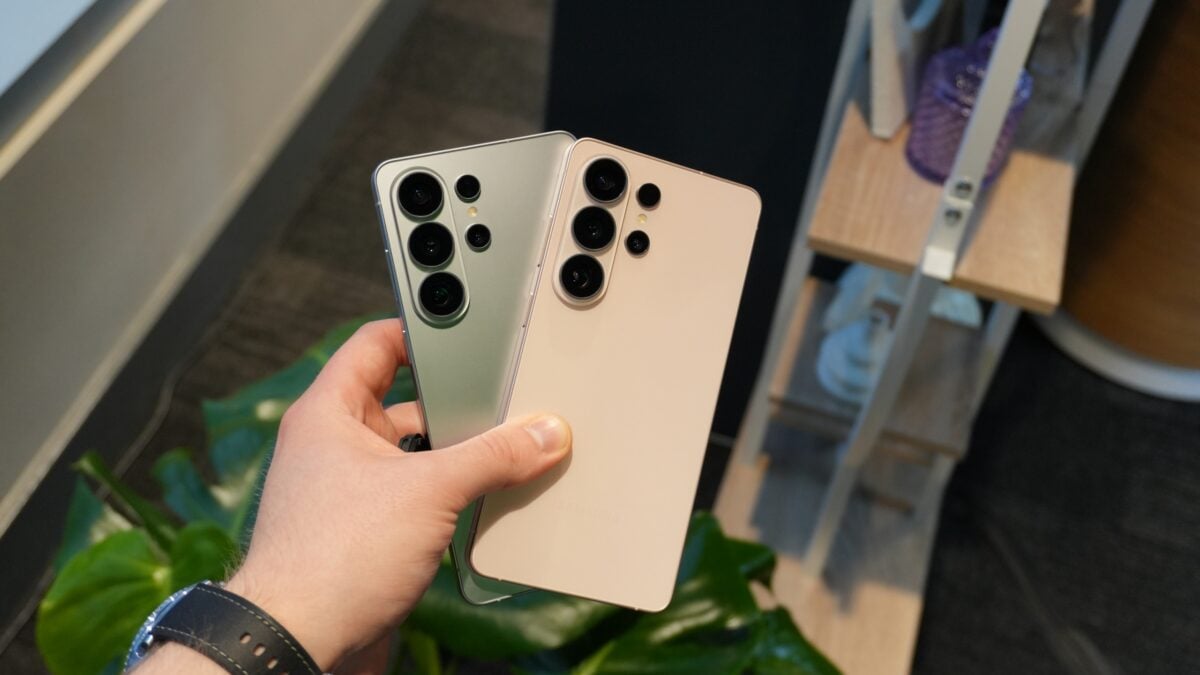
The 50MP telephoto camera on the Galaxy S26 Ultra, featuring 5x optical zoom, has officially abandoned the periscope-style lens that defined the Ultra series for years. A recent technical teardown of the device confirmed that Samsung has paired this high-resolution sensor with "All Lens On Prism" (ALoP) optics. This structural change is immediately visible from the outside: the telephoto camera no longer features a rectangular "letterbox" opening, but rather a standard circular lens aperture.
The Move to All Lens On Prism (ALoP) Technology
Samsung initially unveiled its ALoP technology in late 2024, showcasing a 3x optical zoom prototype. While many industry experts anticipated this technology to debut in the standard Galaxy S25 series, Samsung held back. Instead, they developed a more sophisticated 5x optical zoom version specifically for the Samsung Galaxy S26 Ultra, marking its commercial debut with their most premium handset.
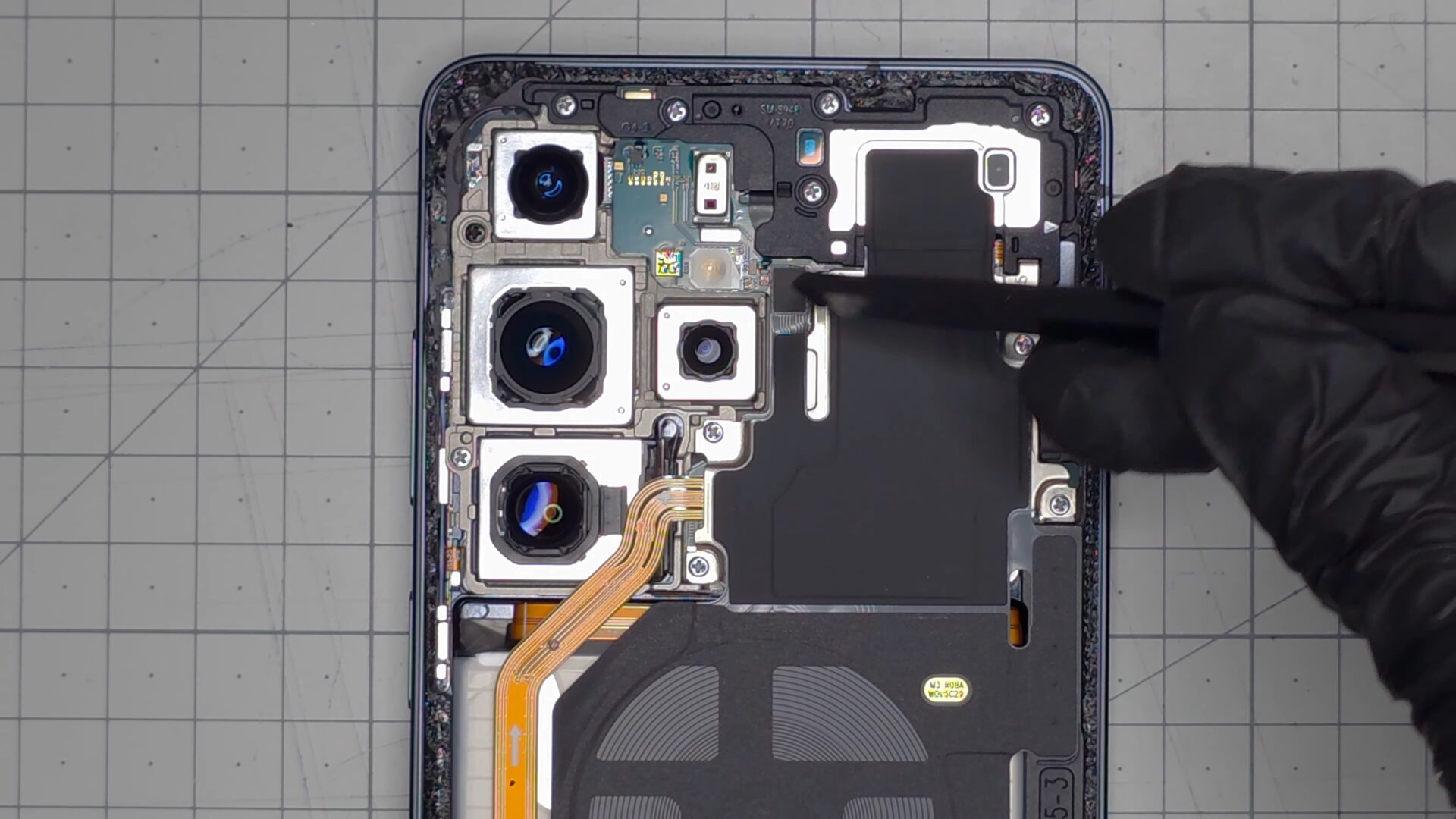
This engineering shift allows the telephoto camera unit to be physically more compact than those found in any previous Ultra model. Beyond aesthetics and space-saving, the ALoP design fundamentally changes how light interacts with the sensor, resulting in a bokeh effect that closely mimics the characteristics of professional DSLR cameras.
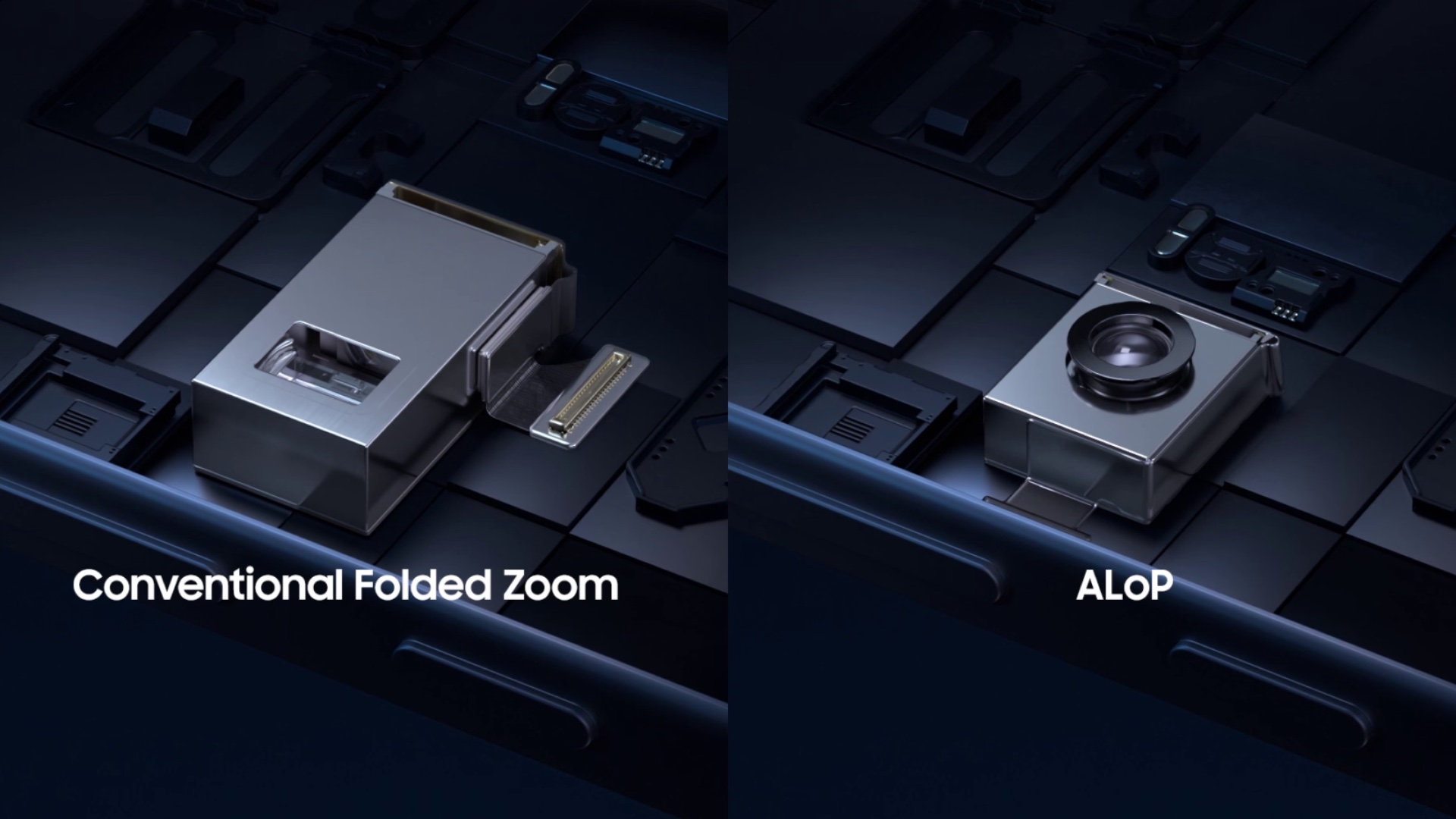
Analysis from photography experts notes that the specular highlights (out-of-focus lights) in images captured by the S26 Ultra now appear circular or oval. This is a noticeable departure from the Galaxy S25 Ultra, where the periscope architecture often produced rectangular-shaped light artifacts in the background blur.
Balancing Innovation: Gains and Sacrifices
While the new lens design offers aesthetic and low-light improvements, it isn't without its compromises. The minimum focusing distance has seen a significant increase. Users of the Galaxy S25 Ultra could focus on subjects as close as 26cm, but the new ALoP system on the S26 Ultra requires a distance of at least 52cm. This means close-up telephoto shots now require the user to stand twice as far from the subject.
However, the wider aperture is a major win for videographers. By allowing more light to reach the sensor, the S26 Ultra delivers substantially cleaner, less noisy video in dim environments compared to its predecessor. This "one step forward, one step back" nature of the hardware might be why Samsung chose to focus on AI features rather than lens physics during their keynote presentation.
Why did Samsung stop using the periscope lens?
Samsung transitioned to the All Lens On Prism (ALoP) design because it is more compact and allows for a wider aperture. This improves low-light performance and creates a more natural, circular bokeh effect that looks more professional than the rectangular blur produced by periscope lenses.
How does the zoom camera on the S26 Ultra look different?
Visually, the telephoto camera opening on the back of the phone is now circular. In previous Ultra models, the periscope lens required a rectangular or "square" opening to accommodate the folded light path.
Is the focusing distance worse on the new model?
Yes, the minimum focusing distance has doubled from 26cm on the previous model to 52cm on the Galaxy S26 Ultra. This makes it harder to take close-up "macro-style" shots using the 5x zoom lens.
Does this change affect the 100x Space Zoom?
The 100x Space Zoom is still available, as it relies on a combination of the 5x optical lens and AI-driven digital enhancement. The new lens actually provides a cleaner base image in low light for the AI to process.
🔎 The evolution of the Samsung Galaxy S26 Ultra camera system represents a bold move toward optical quality over marketing numbers. While the loss of close-range focusing might frustrate some macro enthusiasts, the shift to ALoP technology brings Samsung closer to the "DSLR-in-your-pocket" dream with its superior bokeh and improved low-light video. It is a sophisticated trade-off that prioritizes the most common shooting scenarios for modern flagship users.
Post a Comment