
Samsung Galaxy S26 Ultra Durability: Does the Aluminum Frame Beat Titanium in Real-World Drop Tests?
When Samsung announced the Samsung Galaxy S26 Ultra, many tech enthusiasts were surprised to see a shift in build materials. The company moved away from the premium titanium used in previous generations, opting instead for a frame crafted from Armor Aluminum 2. While some critics initially labeled this a "downgrade," Samsung maintains that this material is the superior choice for modern flagship engineering. But how does this theory hold up when the device meets the pavement? A recent series of rigorous drop tests aims to settle the debate once and for all.
- ✨ Comprehensive evaluation of the Armor Aluminum 2 frame's impact resistance.
- ✨ Analysis of camera lens vulnerability during head-on concrete collisions.
- ✨ Comparison between the cosmetic damage of aluminum versus the previous titanium models.
- ✨ Insights into how the thinnest Ultra model ever handles structural stress.
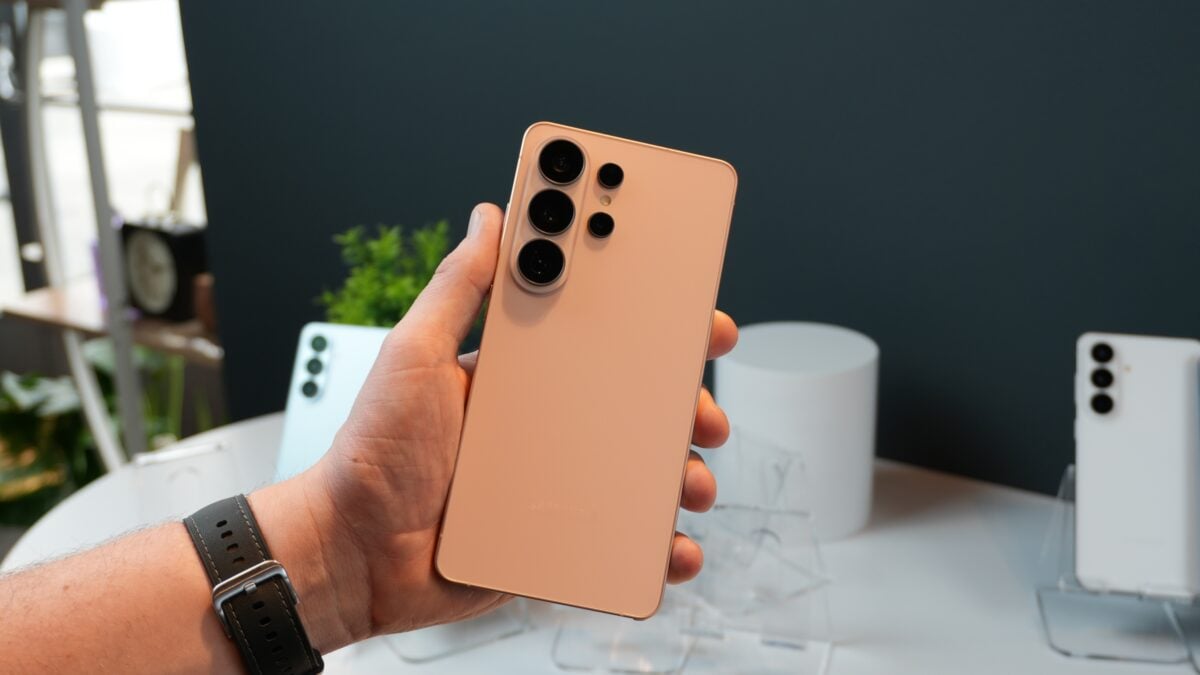
Real-World Testing: The S26 Ultra vs. Concrete
Renowned tech YouTuber PBKreviews recently put the Samsung Galaxy S26 Ultra through a grueling drop test to see if the new frame material could withstand daily accidents. The results were largely positive, showcasing the inherent strength of Samsung's latest metallurgical choice. Despite the thinner profile of the device, the core structure remained impressively intact throughout the simulated falls.
However, the test wasn't without its casualties. During a direct impact on concrete, the lens covering the new 50MP non-periscope telephoto camera suffered a significant crack. This suggests that while the frame is sturdy, the increasingly thin camera rings may leave the glass elements slightly more exposed to high-velocity impacts. Interestingly, while the Armor Aluminum 2 frame survived, the test noted that cosmetic scratches appeared deeper and more visible than they typically do on titanium surfaces, though the damage was purely aesthetic.
Why Samsung Returned to Armor Aluminum 2
The decision to switch back to aluminum wasn't made lightly. Samsung explains that Armor Aluminum 2 provides a critical balance between structural strength, user comfort, and aesthetic flexibility. For the Samsung Galaxy S26 Ultra, which is the thinnest "Ultra" model ever produced at just 7.9mm, aluminum was deemed the ideal material to support a lighter, more ergonomic form factor without sacrificing the phone's overall integrity.
This marketing logic has been met with some skepticism, especially since Samsung previously touted titanium for its ultra-thin Galaxy S25 Edge. Regardless of the marketing narrative, the physical evidence suggests that the S26 Ultra is a remarkably tough device. It manages to maintain its "tough cookie" reputation even with a frame that is significantly thinner than its predecessors
Detailed Performance and Build Review
Beyond just the drop tests, the Samsung Galaxy S26 Ultra is being praised for its day-to-day usability. The lighter weight afforded by the aluminum frame makes it much easier to handle for extended periods, a common complaint with previous heavy, titanium-clad flagships. For a deeper dive into the features and real-world performance of this device, you can view the full review below.
Is the Armor Aluminum 2 frame truly a downgrade from titanium?
While titanium is technically harder, Armor Aluminum 2 is engineered for high durability while being lighter. The drop tests show that it protects the phone's internals just as effectively, though it may show surface scratches more easily.
Did the screen break during the drop test?
In the initial tests, the main display remained intact. The most notable damage was a crack on one of the rear camera lenses after a direct hit on concrete.
How thick is the Galaxy S26 Ultra?
The Galaxy S26 Ultra is the thinnest Ultra model Samsung has ever produced, measuring only 7.9mm in thickness.
Why did Samsung change the camera lens design?
The S26 Ultra features a new non-periscope 50MP telephoto camera. The thinner camera rings associated with this design might be a factor in lens vulnerability during certain types of drops.
Should I use a case with the Galaxy S26 Ultra?
Given that the camera lenses are susceptible to cracking on impact and the aluminum frame can show cosmetic scratches, using a protective case is highly recommended to maintain the device's pristine condition.
🔎 In conclusion, the shift from titanium to Armor Aluminum 2 on the Galaxy S26 Ultra is less of a downgrade and more of a strategic pivot toward ergonomics and slimness. While the camera lenses remain a point of vulnerability in extreme drops, the overall structural integrity of the device is exceptional. Samsung has proven that even its thinnest flagship can withstand the rigors of real-world use, making the S26 Ultra a formidable and durable choice for any user.
Post a Comment