
Samsung Galaxy Watch Ultra 2: The Future of 5G Wearable Connectivity Revealed
Samsung is pushing the boundaries of wearable technology once again. After the successful debut of the first Galaxy Watch Ultra in 2024 and a storage-focused refresh in 2025, the tech giant is now preparing a massive leap forward. The upcoming Galaxy Watch Ultra 2 is set to redefine how we stay connected, moving beyond traditional limitations to offer a truly independent mobile experience.
- ✨ The first Samsung smartwatch rumored to feature integrated 5G cellular connectivity.
- ✨ Powered by the next-generation Snapdragon Wear Ultra processor co-developed with Qualcomm.
- ✨ Advanced support for Wi-Fi 6, Bluetooth 6.0, and satellite messaging (NB-NTN).
- ✨ Built on a cutting-edge 3nm process for superior efficiency and AI processing.
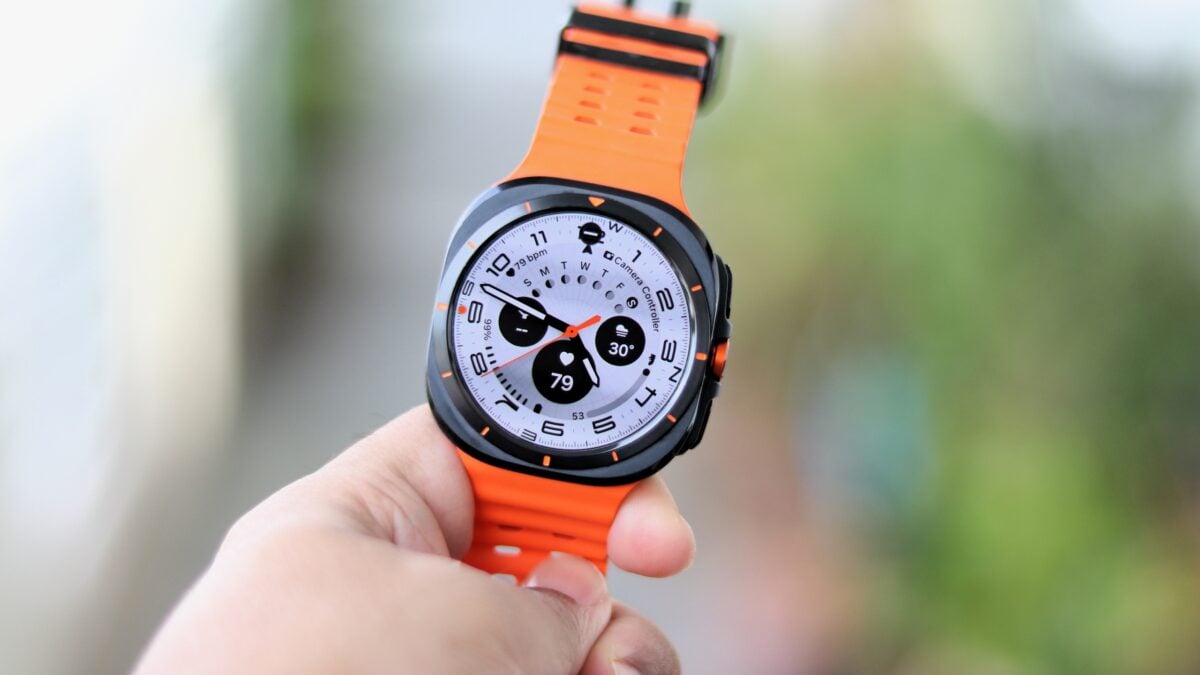
Breaking the Speed Barrier with Built-in 5G
According to the latest reports from GalaxyClub, the Galaxy Watch Ultra 2 is poised to become Samsung’s first smartwatch equipped with built-in 5G cellular connectivity. This isn't just a minor iteration; it represents a significant shift in wearable technology. With 5G, users can expect crystal-clear call quality and data speeds that dwarf current LTE standards, ensuring the watch remains fully functional even when your smartphone is miles away.
This development aligns perfectly with Samsung's recent announcement regarding its partnership with Qualcomm. The two companies have been co-developing the Snapdragon Wear Ultra processor, specifically designed to handle the high demands of modern smartwatches. The Snapdragon Wear Elite variant of this chip already includes a 5G modem, making its inclusion in the Galaxy Watch Ultra 2 a logical and highly anticipated move.
Next-Gen Performance and Satellite Connectivity
The upgrades extend far beyond just cellular speeds. The Snapdragon Wear Elite chip is expected to bring a suite of premium features to the wrist, including support for Wi-Fi 6, Bluetooth 6.0, and Ultra-Wideband (UWB). Perhaps most impressively, it supports NB-NTN technology, which enables direct satellite connectivity. This means users could potentially send emergency texts or make calls even in areas with zero cellular coverage.
Under the hood, the new processor is built on a highly efficient 3nm process. It features a sophisticated five-core CPU and a robust GPU that promises smoother animations and better handling of complex apps. Additionally, a dedicated NPU (Neural Processing Unit) will accelerate on-device AI tasks, making health tracking and voice assistants smarter and faster than ever before.
Fans won't have to wait too long to see this powerhouse in action. The Galaxy Watch Ultra 2 is currently slated for a mid-2026 debut. It is expected to share the stage with Samsung's next generation of foldables, the Galaxy Z Flip 8 and the Galaxy Z Fold 8, marking a massive summer launch event for the company.
Is the Galaxy Watch Ultra 2 going to have 5G?
Yes, according to recent reports, the Galaxy Watch Ultra 2 is expected to be Samsung's first smartwatch with built-in 5G cellular connectivity, offering much faster data speeds than previous LTE models.
What processor will power the new Galaxy Watch Ultra?
The watch is expected to feature the Snapdragon Wear Ultra or Snapdragon Wear Elite processor, which Samsung has co-developed with Qualcomm for high-end wearable performance.
Will the watch support satellite communication?
The new chip supports NB-NTN technology, which enables direct satellite connectivity for emergency calls and text messages when traditional networks are unavailable.
When is the expected release date for the Galaxy Watch Ultra 2?
Samsung is anticipated to launch the Galaxy Watch Ultra 2 in mid-2026, likely alongside the Galaxy Z Fold 8 and Z Flip 8.
How will the 3nm process benefit the user?
The 3nm architecture allows for a more powerful CPU and GPU while being more energy-efficient, leading to better battery life and faster AI processing through a built-in NPU.
🔎 Ultimately, the Galaxy Watch Ultra 2 is shaping up to be more than just a fitness tracker; it is becoming a standalone communication powerhouse. By integrating 5G and satellite capabilities through its partnership with Qualcomm, Samsung is ensuring that its flagship wearable remains at the absolute cutting edge of the industry, offering users unprecedented freedom and safety on their wrists.
Post a Comment