
Samsung Privacy Display: Will One UI 8.5 Upgrade Your Galaxy S25?
The debut of the Galaxy S26 Ultra introduced a groundbreaking feature that has immediately captured the attention of the tech world: Privacy Display. As excitement builds around this innovation, many users are asking the same question: will Samsung bring this advanced privacy technology to the Galaxy S25 and other older devices through the upcoming One UI 8.5 update? While the prospect of a software-based upgrade is enticing, the reality of the technology suggests a different path.

- ✨ Exclusivity: Privacy Display is currently restricted to the Galaxy S26 Ultra hardware.
- ✨ Hardware Barrier: The feature requires the physical "Flex Magic Pixel" structure found only in new panels.
- ✨ Software Limits: While One UI 8.5 brings many AI features, it cannot replicate physical pixel masks.
- ✨ Future Outlook: Older models like the Galaxy S25 Ultra will likely remain focused on software-based privacy.
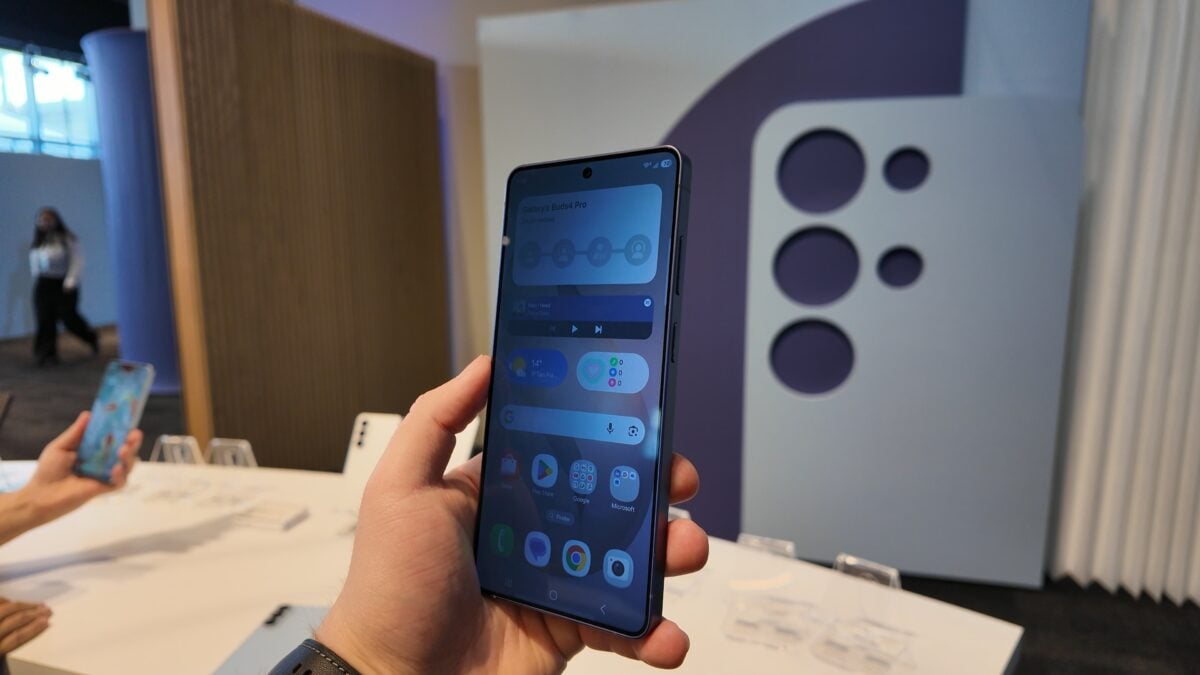
The straightforward answer to whether older phones will receive this feature is no. This isn't merely a case of Samsung withholding features to drive new sales; it is a fundamental limitation of physics and hardware. Even within the latest Galaxy S26 lineup, the technology is highly selective. Privacy Display is an Ultra-exclusive feature, meaning even the standard S26 and S26+ models do not possess the necessary components to run it.
The Science Behind Flex Magic Pixel Technology
To understand why a One UI 8.5 update cannot fix this, we have to look at the "Flex Magic Pixel" hardware. Unlike standard AMOLED screens, this specialized display utilizes a dual-pixel architecture consisting of "Wide" and "Narrow" pixels. This is a physical, microscopic arrangement built into the screen itself during the manufacturing process.
When the Privacy Display mode is inactive, both pixel types work in unison to provide the vibrant, wide-angle viewing experience Samsung is known for. However, when the user enables the privacy mode, the "Wide" pixels are deactivated. Only the "Narrow" pixels remain lit to render the interface. Because these Narrow pixels are surrounded by a physical mask that restricts light dispersion, the screen becomes almost invisible when viewed from an angle, effectively "locking" the view to the person directly in front of the device.
Traditional AMOLED panels, such as those found on the Galaxy S25 Plus, only feature what we would consider "Wide" pixels. Since software cannot physically place a microscopic mask over your existing pixels, no amount of updating can bridge this hardware gap.
Why Users Expected a Software Solution
The confusion among the Galaxy community is understandable. Over the last several years, Samsung has successfully backported numerous high-end features to older devices using AI and software optimization. With the heavy emphasis on "Galaxy AI" in recent marketing, many assumed that Privacy Display was simply another clever algorithm that could be downloaded.
While Privacy Display does use AI to intelligently determine which parts of the screen need obscuring, it is the hardware that performs the actual "hiding." This serves as a reminder that despite the incredible leaps in software, hardware innovation still plays a critical role in the evolution of mobile devices.
What exactly is Samsung's Privacy Display?
Privacy Display is a hardware-enabled feature that narrows the viewing angles of the screen, making it difficult for people nearby to see what is on your display. It uses a specialized pixel structure to focus light directly toward the user.
Will my Galaxy S25 receive Privacy Display in the One UI 8.5 update?
No, the Galaxy S25 lacks the "Flex Magic Pixel" hardware required for this feature. While One UI 8.5 will bring other software and AI improvements, it cannot enable hardware-dependent features like Privacy Display.
Is Privacy Display available on the standard Galaxy S26?
Currently, the technology is exclusive to the Galaxy S26 Ultra. Even the latest base and Plus models of the S26 series do not include the specialized screen technology needed for Privacy Display.
Does Privacy Display affect the screen quality?
When turned off, the screen functions like a normal high-end AMOLED. When turned on, only the "Narrow" pixels are used, which may slightly change the perceived brightness or color profile to ensure privacy from side angles.
Are there any software alternatives for older Galaxy phones?
While there is no direct software equivalent to the Flex Magic Pixel technology, users can use third-party "privacy filter" apps that dim the screen or apply patterns, though these are significantly less effective than Samsung's new hardware solution.
🔎 Ultimately, the introduction of Privacy Display marks a significant shift back toward hardware-driven innovation for Samsung. While One UI 8.5 will undoubtedly enhance the user experience for millions of Galaxy owners with new AI tools and interface refinements, the "magic" of the S26 Ultra's screen remains a physical trait. If privacy is your primary concern and you want the best protection against wandering eyes, the Ultra model remains the only choice for the foreseeable future, as this hardware capability cannot be replicated by a simple software patch.
Post a Comment