
Samsung Revolutionizes File Sharing: Quick Share Now Compatible With Apple AirDrop
In a move that marks a significant milestone for mobile interoperability, Samsung has officially announced that its Quick Share feature will now support Apple’s AirDrop protocol. This groundbreaking update is set to bridge the long-standing gap between the Android and iOS ecosystems, allowing users to transfer files with unprecedented ease. For years, the "walled garden" of file sharing has been a point of friction for users owning devices from both brands, but this integration promises to simplify digital life for millions of Samsung Galaxy owners worldwide.
- ✨ Seamless wireless file sharing between Samsung Galaxy and Apple devices.
- ✨ Official rollout scheduled to begin on March 23, 2026.
- ✨ Initial support launching with the flagship Galaxy S26 series.
- ✨ Full compatibility extended to iPhones, iPads, and Mac computers.
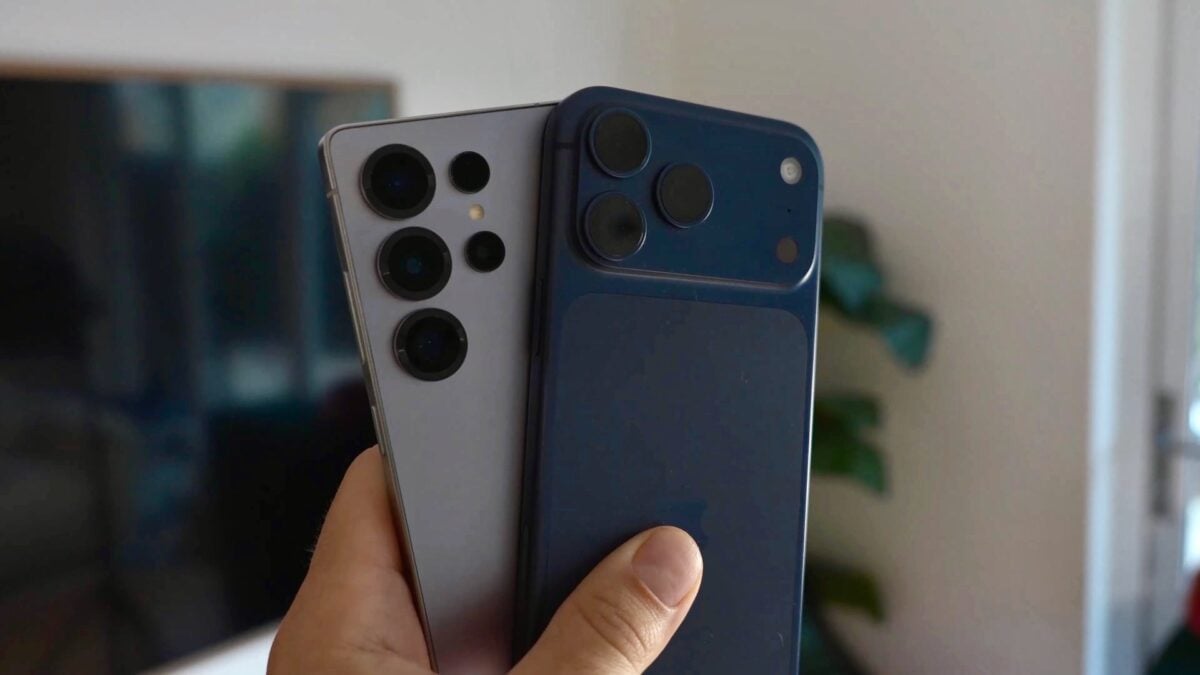
The Future of Cross-Platform Connectivity
The implementation of AirDrop support within the Quick Share framework means that users can finally send high-resolution photos, large video files, and complex documents directly to an iPhone or Mac without relying on third-party apps or cloud storage links. This native integration ensures that the speed and security users expect from local wireless transfers are maintained, regardless of the operating system on the receiving end.

Regional Rollout and Device Compatibility
The global rollout of this feature is set to commence on March 23, 2026. Samsung has confirmed that the first devices to receive the necessary software update will be the Galaxy S26, Galaxy S26+, and the Galaxy S26 Ultra. While the update will debut in South Korea, it is expected to reach major markets including North America, Europe, Japan, and Southeast Asia shortly thereafter.
Samsung follows in the footsteps of Google, which integrated AirDrop support into Quick Share for Pixel devices earlier this year. Initially exclusive to the Pixel 10 and eventually the Pixel 9 series, the technology is now becoming a standard for high-end Android hardware. Recent industry leaks had hinted at this development, but the official confirmation solidifies Samsung’s position as a leader in user-centric innovation.
Expanding the Ecosystem
Beyond smartphones, the compatibility is designed to be comprehensive. Galaxy tablet users will also benefit from the update, allowing for a fluid workflow between a Galaxy Tab and a MacBook or iPad. This ecosystem-agnostic approach recognizes the reality that many professionals and students use a mix of different hardware brands and provides a solution that prioritizes productivity over brand loyalty.
When will my Galaxy phone get AirDrop support?
The rollout begins on March 23, 2026, starting with the Galaxy S26 series. Older compatible models are expected to receive the update in the following months as part of the staggered global release.
Will I be able to share files with a Mac or iPad?
Yes, the integration is designed to work across the entire Apple ecosystem, including iPhones, iPads, and Mac computers, ensuring seamless cross-device transfers.
Is this feature exclusive to Samsung?
While Samsung is the second major Android brand to offer this natively after Google’s Pixel line, it is currently limited to these specific manufacturers as they adopt the necessary protocols within Quick Share.
Do I need to install any special apps to use this?
No, the feature will be integrated directly into the existing Quick Share menu on your Galaxy device via a standard software update.
🔎 This update represents a major victory for consumers who have long desired better cooperation between the world’s two largest mobile platforms. By embracing AirDrop compatibility, Samsung is not just improving a single feature; it is redefining the boundaries of the mobile experience. As we move closer to the 2026 launch, the anticipation among the tech community continues to grow, signaling a new era where device connectivity is no longer limited by the logo on the back of your phone.
Post a Comment