
Samsung Set to Revolutionize Gaming with New QD-OLED Monitor Sizes by 2027
Samsung is currently leading the premium display market with its impressive Odyssey series. These high-end displays utilize cutting-edge QD-OLED technology to provide gamers with unmatched color accuracy, vibrant saturation, and the deep, true blacks that only OLED can offer. As the demand for high-performance screens grows, Samsung Display is reportedly preparing to take its technology to even more desk setups by diversifying its panel offerings.
- ✨ Development of new 24-inch and 39-inch QD-OLED panel sizes.
- ✨ Expansion beyond the current ultra-wide and large-format display segments.
- ✨ High potential for third-party manufacturers to adopt these new Samsung panels.
- ✨ Anticipated market release window targeting 2027.
- ✨ Expected unveiling during future Consumer Electronics Shows (CES).
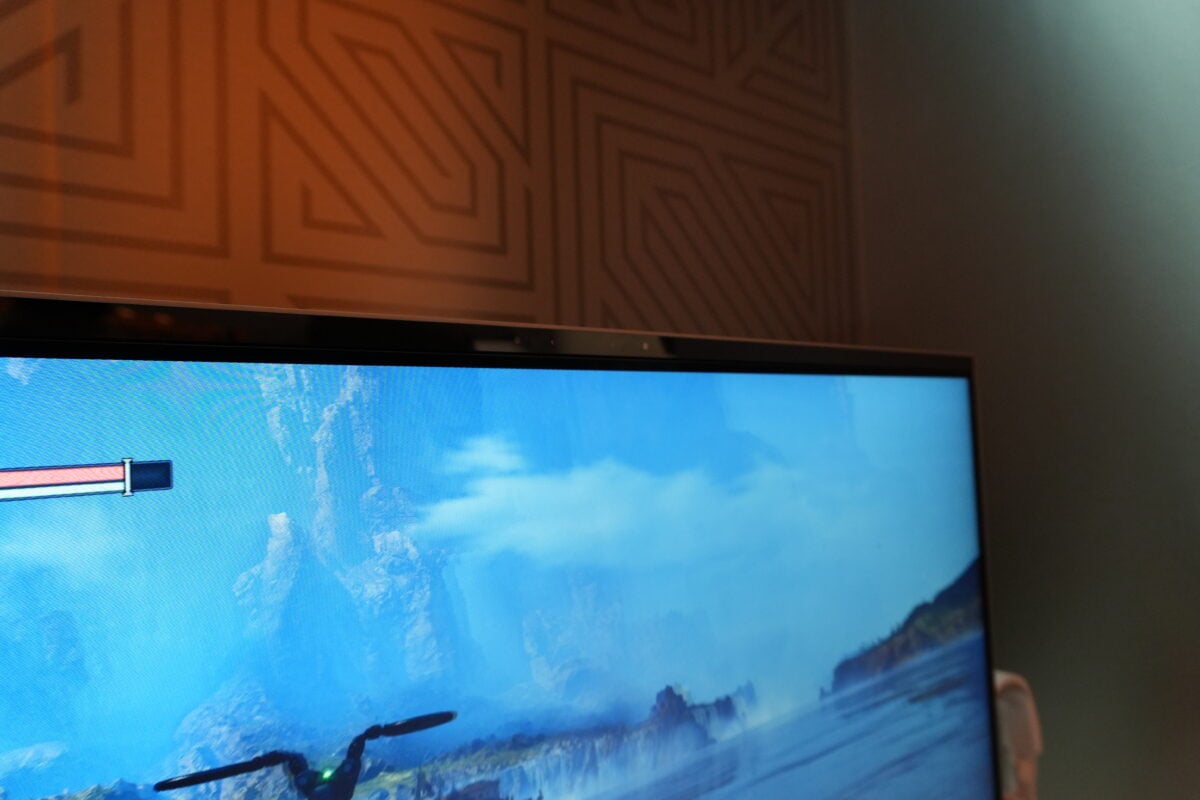
Recent industry reports suggest that a major shift is coming to the gaming monitors landscape. Samsung Display is reportedly working on expanding its QD-OLED panel lineup to include two highly requested sizes: 24-inch and 39-inch. This move indicates a strategic pivot to capture a broader audience, moving beyond the niche ultra-wide and massive screen enthusiasts to include competitive gamers and those with standard desk configurations.
Lower Price Points and New Market Horizons
The introduction of a 24-inch panel is particularly significant. This size is the gold standard for competitive eSports, where players prefer a smaller field of view to track action more efficiently. By bringing Samsung Odyssey quality to a 24-inch form factor, Samsung could offer a more affordable entry point into the world of OLED gaming. Furthermore, a 39-inch option would fill the gap between traditional 32-inch displays and the massive 49-inch super-ultrawides, offering a perfect middle ground for immersive play.
Because Samsung Display supplies panels to various other brands, this expansion means we won't just see these sizes from Samsung itself. Third-party monitor companies are likely to source these panels, leading to a surge of high-quality QD-OLED options across the entire market. This increased competition and variety will ultimately benefit the consumer, providing more choices at various price brackets.
While the report does not provide an exact launch date, it points toward a 2027 timeline for these panels to become commercially available. While that may seem distant, the development cycle for display technology is rigorous. Given Samsung’s history of showcasing its latest innovations at the start of the year, there is a strong possibility that we will see the first prototypes or official announcements during CES 2027 in Las Vegas.
What specific new sizes is Samsung Display developing for its QD-OLED line?
Samsung Display is reportedly focusing on creating 24-inch and 39-inch QD-OLED panels to complement its existing lineup of larger and ultra-wide screens.
Why is a 24-inch QD-OLED monitor important for gamers?
The 24-inch size is highly favored by competitive and eSports players who need to see the entire screen at once. Additionally, smaller panels typically come at a lower price point, making OLED technology more accessible.
When are these new monitors expected to hit the market?
Current reports suggest that these new panel sizes are slated for a 2027 release, with potential official reveals happening at major tech events like CES earlier that year.
Will other brands besides Samsung release these 24-inch and 39-inch OLED monitors?
Yes, since Samsung Display supplies panels to many other manufacturers, it is highly likely that brands like Dell, Alienware, and MSI will also release monitors using these new sizes.
🔎 In conclusion, Samsung's decision to broaden the horizons of its QD-OLED technology is a win for the gaming community. By developing 24-inch and 39-inch panels, the company is ensuring that every type of gamer—from the professional eSports competitor to the immersive RPG fan—can experience the pinnacle of display performance. As we look toward 2027, the future of the desktop setup looks brighter, more colorful, and more versatile than ever before.
Post a Comment