
Samsung's Bold Vision: Why Every Future Galaxy Device Might Feature an Exynos Chip
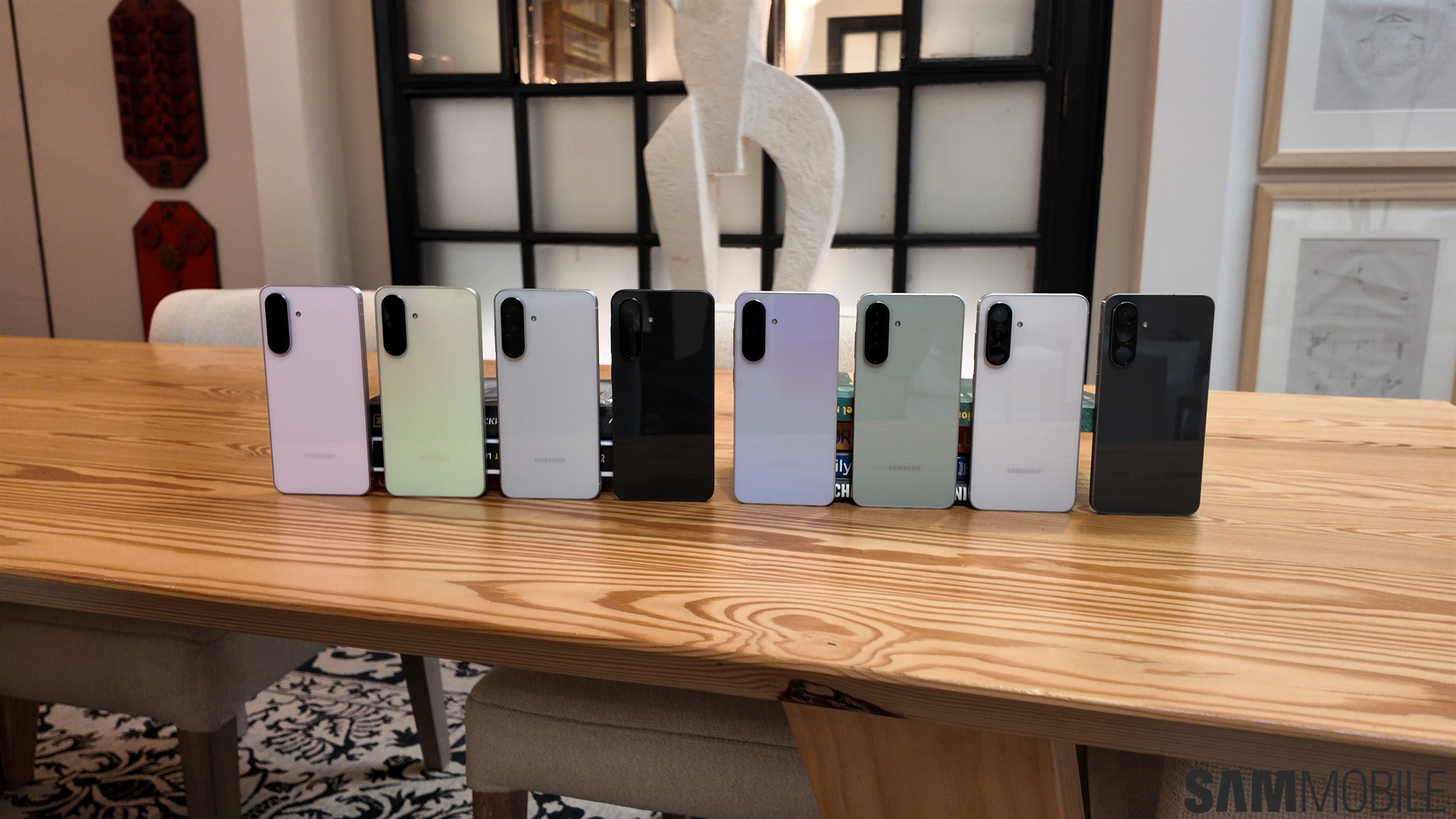
For years, the debate between Exynos and Snapdragon has divided the Samsung Galaxy community. Traditionally, the tech giant has alternated between these two processors depending on the region and specific model. For instance, the recently unveiled Galaxy S26 and S26+ are powered by the Exynos 2600, while the premium Galaxy S26 Ultra continues to rely exclusively on Qualcomm's Snapdragon technology. However, a major strategic shift is on the horizon, as Samsung aims to bring its in-house silicon to every corner of its mobile ecosystem.
- ✨ Samsung plans to transition its entire Galaxy lineup to proprietary Exynos processors.
- ✨ The company is leveraging its new 2nm process to significantly boost power efficiency.
- ✨ Strategic collaboration between Samsung MX and System LSI is driving hardware innovation.
- ✨ The successful debut of Exynos in US flagship foldables marks a turning point for the brand.
The Long-Term Roadmap for Exynos Integration
During a recent press briefing in San Jose, California, Moon Sung-hoon, the Vice President of Hardware for Samsung’s MX (Mobile eXperience) division, shed light on the company's future. He emphasized that selecting an application processor (AP) is a multi-layered process that requires long-term planning, rigorous testing, and precise specification alignment. According to Moon, the ultimate goal is to create a unified experience across all Exynos processors.
Samsung MX is reportedly working hand-in-hand with the System LSI division to ensure that future chipsets are not just alternatives, but the optimal choice for consumers. By designing their own chips, Samsung hopes to gain better control over hardware-software optimization, which could lead to smoother performance and better battery life across the entire smartphone range.
Breakthroughs in 2nm Technology and User Experience
A major catalyst for this shift is the advancement in manufacturing processes. Moon highlighted that the latest Exynos iterations have received high praise for their efficiency. As one of the world's first 2nm application processors, the new architecture offers substantial improvements in power consumption. This innovation is expected to provide tangible benefits to users, particularly in terms of device longevity and thermal management during intensive tasks
The strategy is already being put into practice. For the first time, Samsung introduced an Exynos chip into a high-end foldable device in the United States. The Galaxy Z Flip 7 features the Exynos 2500, a chipset built on a cutting-edge 3nm process. This move is seen as a "litmus test" for the American market, which has historically been exclusive to Snapdragon chips. If the reception remains positive, it paves the way for a global Exynos-only future.
Why is Samsung moving away from Snapdragon for its Galaxy devices?
Samsung aims to gain greater control over its supply chain and optimize the synergy between its hardware and software. By using its own Exynos chips, the company can tailor the processor specifically to the features of the Galaxy ecosystem, potentially reducing costs and improving the overall user experience through tighter integration.
What makes the new 2nm Exynos chips different from previous versions?
The 2nm process allows for more transistors to be packed into a smaller space, which significantly enhances performance while reducing power consumption. This means future Galaxy phones could be faster and have longer battery life compared to those using older 3nm or 4nm architectures.
Will the Galaxy S26 Ultra eventually switch to Exynos as well?
While the current Galaxy S26 Ultra uses a Snapdragon processor, Samsung’s long-term strategy, as stated by their VP of Hardware, is to equip the entire Galaxy lineup—including the Ultra models—with Exynos processors once the technology meets their rigorous flagship standards.
Is the Exynos 2500 in the Galaxy Z Flip 7 available worldwide?
Yes, the Galaxy Z Flip 7 marks a significant milestone as it features the Exynos 2500 even in markets like the United States, suggesting that Samsung is confident enough in its latest 3nm silicon to deploy it in premium devices globally.
🔎 Ultimately, Samsung's ambition to transition to a fully Exynos-powered lineup represents a bold step toward technological independence. By mastering the 2nm manufacturing process and aligning its mobile division with its chip-making arm, Samsung is positioning itself to challenge the dominance of third-party processor manufacturers. While the transition may be gradual, the goal is clear: a future where every Galaxy device is powered by the heart of Samsung’s own innovation, delivering a more cohesive and efficient experience for users around the world.
Post a Comment