
Samsung’s Foldable Dominance Secured? Why Apple’s 2027 iPhone Threat is Facing Major Delays
Apple has long been considered "fashionably late" to the foldable smartphone revolution, as the tech giant has yet to release a foldable iPhone. While a general consensus had formed among industry analysts and media outlets that a launch might finally occur in 2026, new data suggests the wait might be even longer than previously anticipated. This potential shift in the timeline could significantly impact how the foldable iPhone competes with established market leaders.
- ✨ Apple's first foldable iPhone might be delayed until at least December 2026 or early 2027.
- ✨ Supply chain constraints involving memory and key components are cited as the primary reasons for the setback.
- ✨ The delay provides the upcoming Galaxy Z Fold 8 with several months of market exclusivity.
- ✨ Industry analysts suggest Samsung will benefit from a lack of direct Apple competition during the 2026 holiday season.
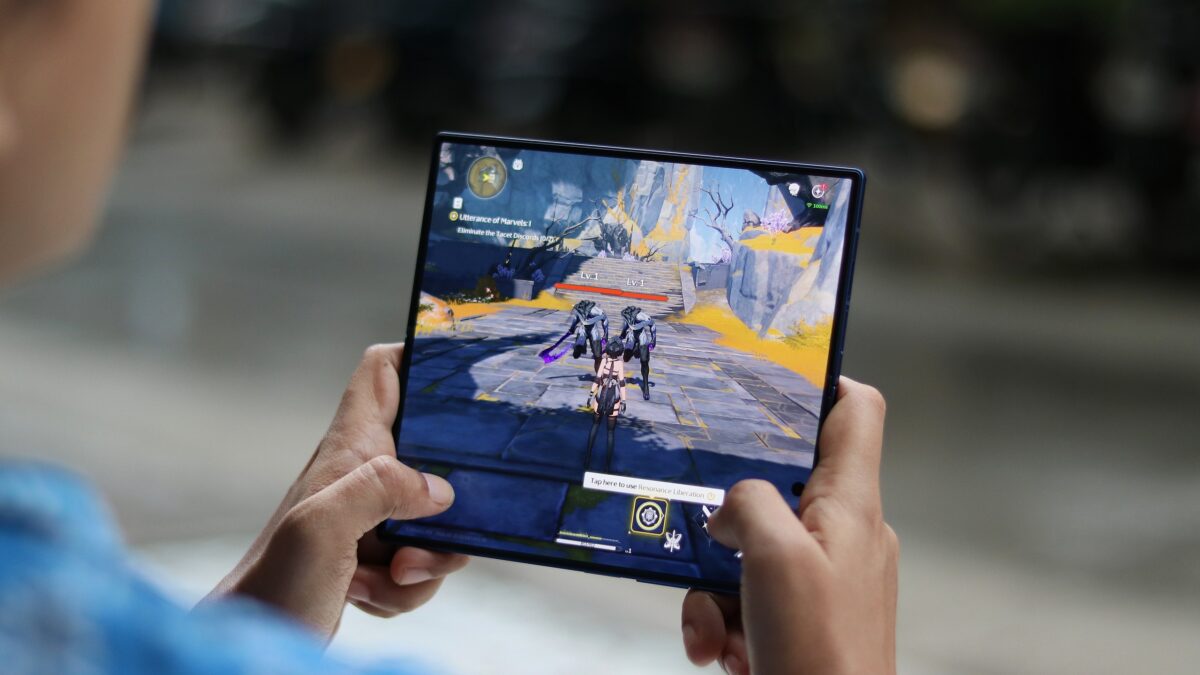
Earlier market intelligence had indicated that Apple’s inaugural foldable device would debut alongside Samsung’s next-generation Galaxy Z Fold 8 and the rumored Galaxy Wide Fold. However, a prominent financial analyst now believes that Apple may struggle to meet that aggressive window, potentially pushing the release into the following year.
Supply Chain Hurdles May Force Apple to Postpone Launch
In a recent communication to investors, Barclays analyst Tim Long highlighted significant evidence that Apple’s foldable project is facing logistical headwinds. According to the report, the device may not reach store shelves until December of this year at the earliest. If this projection holds true, it represents a three-month slip from the originally expected September 2026 launch window, which traditionally coincides with the standard iPhone refresh.
Long points toward various bottlenecks within the global supply chain as the primary culprits for the potential delay. Specifically, the availability of high-end memory and specialized foldable components remains severely constrained. As manufacturing demands for AI-capable hardware increase, the competition for these limited parts is becoming more intense, and the situation shows little sign of immediate improvement.
Should this revised launch window prove accurate, it would grant Samsung’s upcoming foldable lineup a significant strategic advantage. Typically, Samsung unveils its new foldables in July or August. A December launch for Apple would mean that Samsung’s devices could enjoy nearly half a year on the market without facing their most formidable competitor, allowing the Galaxy Z Fold 8 to capture the early adopter and holiday shoppers without distraction.
It is important to remember that analyst predictions, while based on supply chain data, are not guaranteed certainties. Apple is known for its ability to optimize logistics at the last minute, and it remains possible that they will aim for the September timeframe to maintain their traditional release cycle. For now, the tech world remains in a "wait and watch" mode as the battle for foldable supremacy intensifies.
When is the foldable iPhone expected to be released?
While initial rumors pointed toward a September 2026 launch, recent analyst reports suggest a delay until at least December 2026 or even early 2027 due to supply chain issues.
What is causing the delay in Apple's foldable device?
The primary reasons cited for the delay are constraints in the supply chain, specifically regarding the availability of specialized memory and other critical hardware components necessary for a foldable screen.
How does this delay affect Samsung?
A delay for Apple gives Samsung's Galaxy Z Fold 8 and other foldable models "breathing room." Samsung usually launches its devices in the summer, so an Apple delay until December would allow Samsung to dominate the market for several months without direct competition from iOS.
Is the Galaxy Z Fold 8 the only Samsung foldable mentioned?
In addition to the Galaxy Z Fold 8, reports also mention the Galaxy Wide Fold as part of Samsung's upcoming strategy to maintain its lead in the foldable segment.
Should we trust these analyst predictions?
Analyst predictions are based on current supply chain trends and investor notes, but they are not official announcements. Apple's plans could change as they resolve technical or logistical hurdles.
🔎 Ultimately, the foldable market continues to be a high-stakes game of technological "chicken" between the world's two largest smartphone manufacturers. While Samsung has the advantage of experience and multiple generations of hardware, Apple's entry is expected to redefine the category. If these delays persist, Samsung will have a golden opportunity to further refine its folding technology and solidify its user base before the "iPhone Fold" finally makes its debut.
Post a Comment