
Samsung’s Vision 2030: How Agentic AI Will Power Fully Autonomous Factories
Samsung is significantly increasing its investment in artificial intelligence, a move that aligns perfectly with its corporate strategy over the last few years. The tech giant recently unveiled the Galaxy S26, marketing it as its "third-generation AI phone." This focus on AI is not just a passing trend; it is a narrative that Samsung expects to evolve and dominate its product lineup for the foreseeable future. However, the company's Artificial Intelligence ambitions go far beyond smartphones and consumer electronics, reaching into the very heart of how its products are built.
- ✨ Samsung aims to establish fully autonomous, AI-driven factories globally by the year 2030.
- ✨ The transition utilizes "Agentic AI," the same core technology found in the new Galaxy S26 series.
- ✨ AI will manage the entire supply chain, including logistics, quality control, and predictive maintenance.
- ✨ Digital twin simulations will be used to optimize production environments before physical implementation.
- ✨ New automated hazard prevention systems will be integrated to enhance workplace safety worldwide.
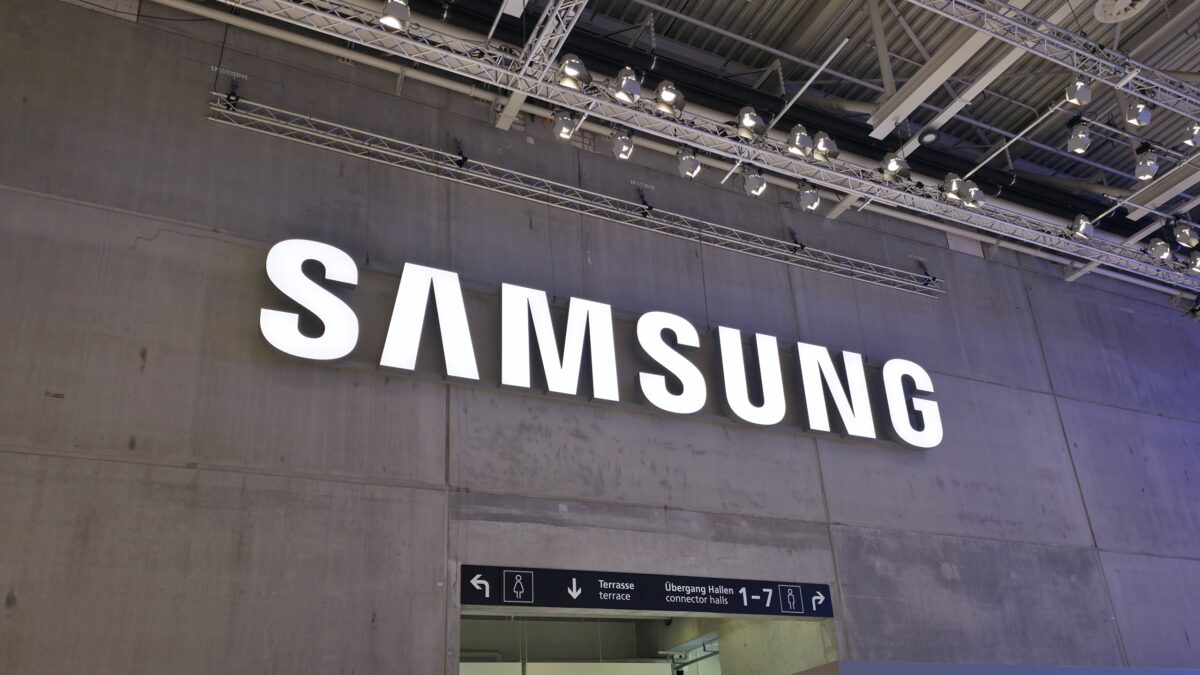
Samsung's AI roadmap extends deep into the industrial sector. Nearly three years ago, the company launched Samsung Gauss, an in-house generative AI model specifically designed to assist employees with internal tasks. Now, the company is scaling those efforts to automate its global manufacturing footprint. During the Mobile World Congress 2026, Samsung detailed its strategy to transform traditional production lines into "AI-driven factories" by the end of the decade.
Total AI Integration Across the Production Life Cycle
The ultimate objective is to create a next-generation autonomous manufacturing environment. Samsung envisions a system where AI governs every link in the chain. This includes the initial production of raw materials, complex logistics, rigorous quality control, and the final shipment of devices to global markets.
The implementation process will begin with digital twin-based simulations. These virtual replicas allow Samsung to test manufacturing workflows in a digital space before they go live. Following this, specialized AI agents will be deployed to take over quality control, logistics, and active production management.
Furthermore, Samsung plans to apply AI to Health, Safety, and Environmental (HSE) operations. By 2030, the goal is to have predictive detection and automated hazard prevention systems in place. These systems will independently identify potential risks and prevent accidents, significantly improving workplace safety for employees across all global facilities.
"The next stage of manufacturing innovation is building autonomous environments where AI truly understands operational contexts in real time and independently makes optimal decisions."
A fascinating aspect of this plan is that Samsung’s "Agentic AI"—the same intelligence introduced with the Galaxy S26 Ultra—is at the core of this industrial shift. Agentic AI is distinguished by its ability to plan for long-term goals, execute complex tasks, and optimize decision-making with very little human intervention.
Within the next four years, Samsung intends for these Agentic AI systems to power its entire global infrastructure. This technology is expected to revolutionize repair operations, enable predictive maintenance to stop machine failures before they happen, and coordinate logistics with unprecedented precision.
| Feature | Description |
|---|---|
| Autonomous Logistics | AI-managed shipping and material handling. |
| Predictive Maintenance | Systems that predict hardware failure before it occurs. |
| Hazard Prevention | Automated safety protocols to protect workers. |
What exactly is Samsung's goal for its factories by 2030?
Samsung aims to transition its global manufacturing facilities into fully autonomous, AI-driven environments. This means that from the production of materials to final quality checks and shipping, artificial intelligence will manage and optimize every step of the process with minimal human oversight.
What is "Agentic AI" and how does it relate to manufacturing?
Agentic AI is a sophisticated form of artificial intelligence that can plan, execute tasks, and make complex decisions independently. While it is currently a highlight of the Galaxy S26 smartphone series, Samsung is adapting this same technology to act as the "brain" for its future autonomous factories.
How will this technology improve workplace safety?
By using predictive detection and automated hazard prevention, the AI can identify potential dangers in real-time. This allows the system to intervene or alert workers before an accident occurs, creating a much safer environment in Samsung's industrial plants worldwide.
What role do "digital twins" play in this plan?
Digital twins are virtual simulations of physical manufacturing lines. Samsung uses them to model and test new production methods or changes in a safe, digital space. This ensures that when the changes are applied to the real factory, they are already optimized for efficiency and safety.
Will AI be involved in shipping and logistics too?
Yes, Samsung's vision includes AI governing the entire supply chain. This involves coordinating logistics and shipments to ensure that products reach their destinations more efficiently, reducing delays and optimizing global distribution networks.
🔎 As Samsung continues to blur the lines between consumer technology and industrial innovation, the move toward autonomous factories represents a massive leap in operational efficiency. By leveraging the same Agentic AI found in our pockets to run global manufacturing plants, Samsung is setting a new standard for the Fourth Industrial Revolution. The journey toward 2030 will likely transform not only how our favorite gadgets are made but also the very nature of global labor and production safety.
Post a Comment