
Vivo X300 Ultra Adopts Samsung’s APV Video Codec: A New Era for Professional Mobile Videography
The landscape of mobile videography is shifting as major manufacturers prioritize professional-grade workflows. Last week, Samsung made headlines by unveiling the Galaxy S26 Ultra, the first device globally to support the Advanced Professional Video (APV) codec. In a surprising move that signals broader industry adoption, Vivo has now confirmed that its upcoming flagship, the Vivo X300 Ultra, will also integrate this high-end Samsung technology, bringing professional video capabilities to a wider audience.
- ✨ Full Support for Samsung’s APV Codec: Enables professional-grade, lossless video recording.
- ✨ Exceptional Performance: Supports 4K recording at 120fps with 10-bit color and Dolby Vision.
- ✨ Hardware Optimization: Powered by the Snapdragon 8 Elite Gen 5 with dedicated APV support.
- ✨ Elite Camera Hardware: Features a 200MP Samsung telephoto sensor and a 200MP Sony primary sensor.
- ✨ Global Expansion: Confirmed availability for international markets including Europe and Asia.
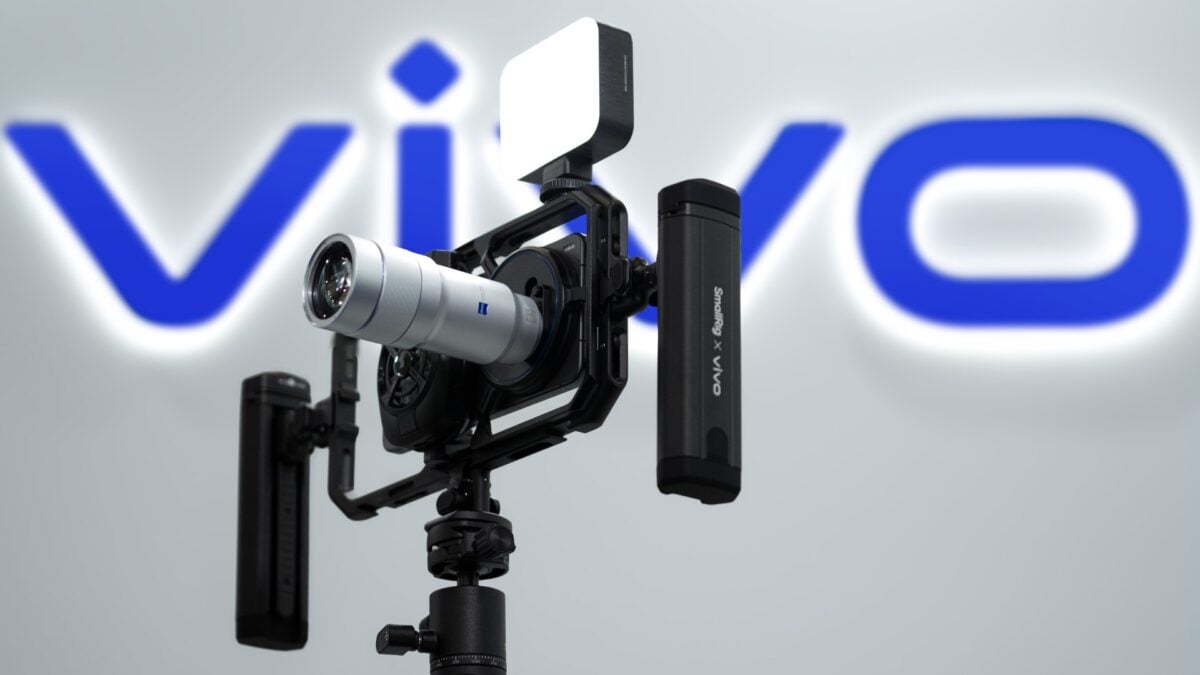
During the Mobile World Congress (MWC) 2026, Vivo provided an exclusive first look at the X300 Ultra. This device isn't just a minor upgrade; it’s a powerhouse designed for creators. By supporting video recording at 4K resolution and 120 frames per second with 10-bit color depth and Dolby Vision, it stands as a direct rival to the best in the market. Most notably, it is the very first non-Samsung smartphone to embrace the APV codec, bridging the gap between mobile and cinema-grade editing.
Understanding the APV Codec and Its Benefits
Samsung engineered the APV codec to solve a common dilemma in high-end videography: how to maintain perceptually lossless quality without creating unmanageable file sizes. According to technical data, APV files can be up to 20% smaller than those encoded with HEVC, despite offering superior fidelity. This format is specifically built to withstand the rigors of professional post-production, preserving image details even after multiple rounds of editing and re-exporting.

A major technical advantage of APV is its intra-frame encoding structure. Unlike traditional formats that compress data across multiple frames, APV encodes each frame independently. This reduces the processing load on editing software, virtually eliminating latency when scrubbing through a timeline or playing back high-resolution footage in real-time.
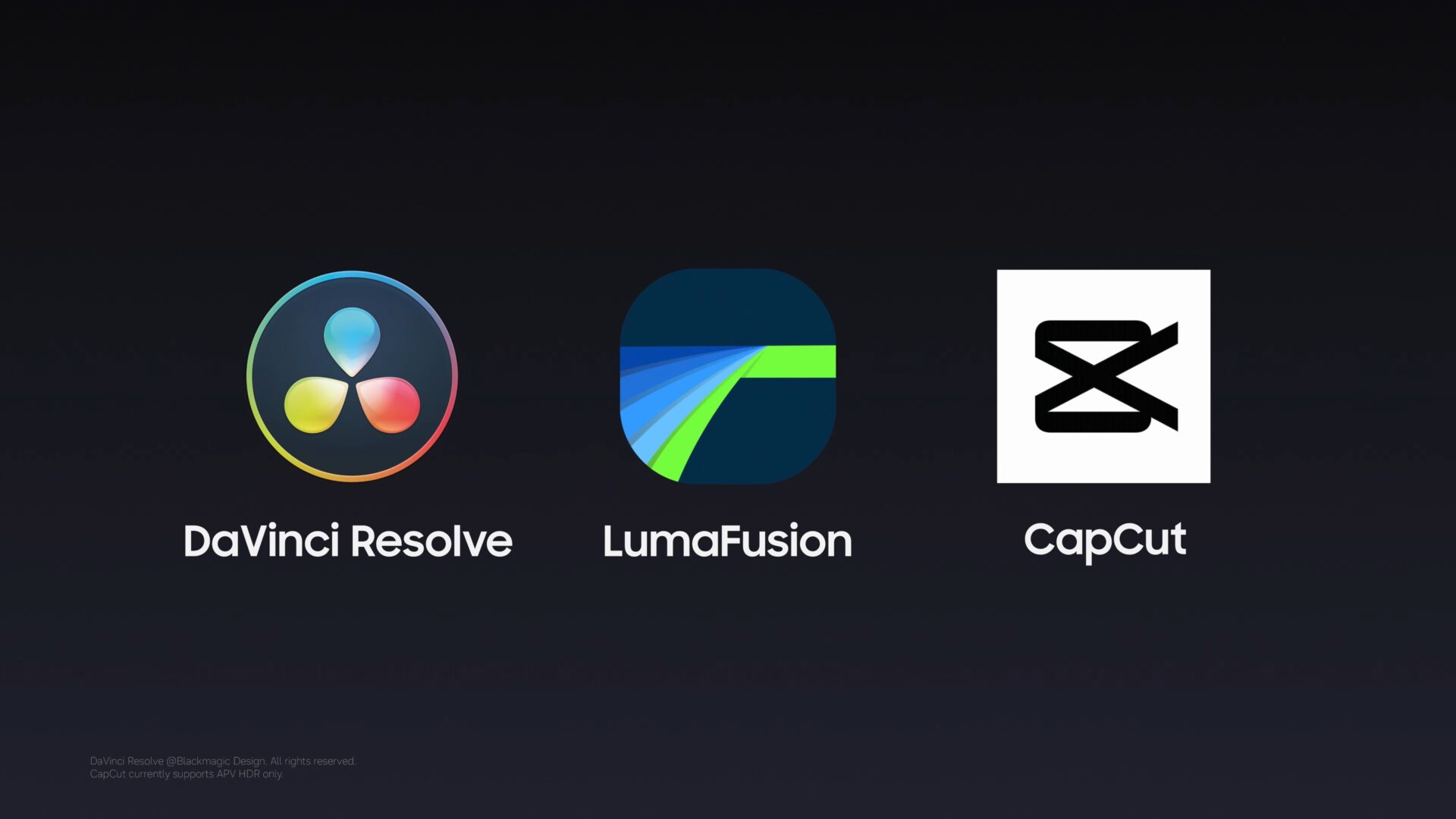
The ecosystem for APV is growing rapidly. Google has integrated native support into Android 16, and Qualcomm has provided the necessary hardware acceleration within the Snapdragon 8 Elite Gen 5 processor. This powerful chipset is the engine behind both the Galaxy S26 Ultra and the Vivo X300 Ultra. Furthermore, industry-standard editing applications such as CapCut, DaVinci Resolve, and LumaFusion have already rolled out compatibility for the format.
Vivo X300 Ultra: Advanced Camera Specifications
The Vivo X300 Ultra boasts a sophisticated camera array that utilizes the best sensors from both Sony and Samsung. This synergy allows for unparalleled versatility, whether capturing wide landscapes or distant subjects. Additionally, Vivo has introduced an optional Teleconverter accessory, pushing the boundaries of mobile zoom capabilities to an effective 400mm focal length.
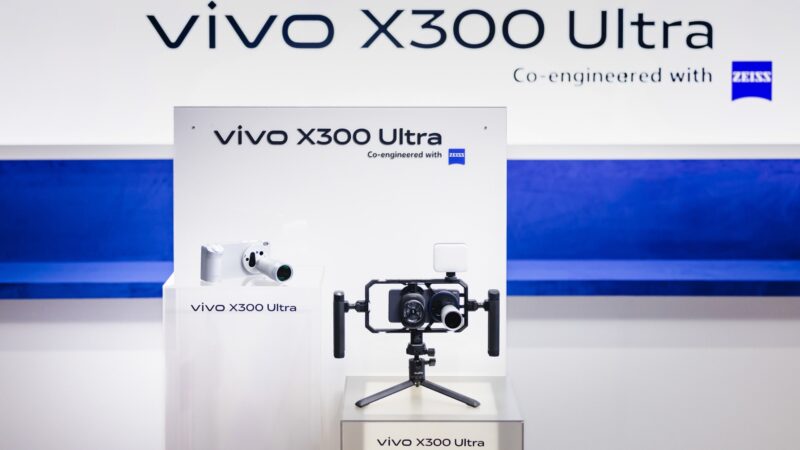
Signaling a major shift in its marketing strategy, Vivo has confirmed that the X300 Ultra will be released in global markets. This includes several European territories and Asian countries outside of mainland China. By bringing its "Ultra" series to the international stage, Vivo is positioning itself as a formidable competitor to Samsung’s dominance, potentially influencing the market share usually held by the Galaxy S26 Ultra.
What exactly is the Advanced Professional Video (APV) codec?
The APV codec is a professional-grade video format developed by Samsung. It focuses on providing "lossless" visual quality for high-end editing while maintaining file sizes that are significantly smaller than traditional raw formats or standard HEVC compression.
Why is the Snapdragon 8 Elite Gen 5 important for this phone?
The Snapdragon 8 Elite Gen 5 is the first mobile processor to feature dedicated hardware support for the APV codec. This allows the Vivo X300 Ultra to process complex video data efficiently without overheating or draining the battery excessively during long filming sessions.
How does the APV codec help with video editing?
Because APV uses intra-frame encoding, every single frame is its own complete image. This makes it much easier for apps like DaVinci Resolve or CapCut to navigate through the video file, resulting in zero lag during the editing process.
Will the Vivo X300 Ultra be available outside of China?
Yes, Vivo has officially confirmed that the X300 Ultra will see a broad global launch, reaching international markets in Europe and Asia. This marks a significant expansion for Vivo's highest-tier flagship line.
🔎 The collaboration between hardware giants and smartphone manufacturers is reaching new heights with the adoption of the APV codec. By integrating Samsung's cutting-edge video technology, Vivo is not only enhancing the X300 Ultra's appeal but also pushing the entire mobile industry toward a future where professional cinematography is accessible to everyone with a smartphone in their pocket.
Post a Comment