
Why the Qualcomm-Samsung Partnership is the Secret Sauce Behind Your Favorite Tech
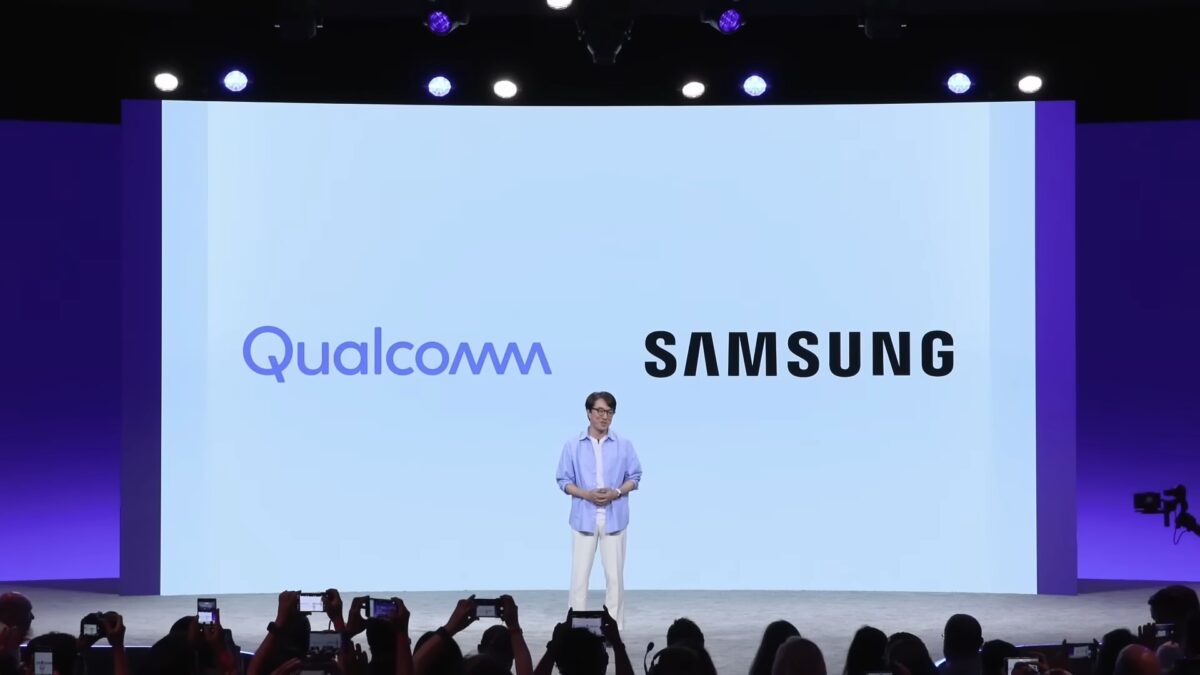
The bond between Qualcomm and Samsung is currently stronger and more codependent than at any point in their decades-long history. During the recent Snapdragon Elite Media Day, Chris Patrick, Senior VP at Qualcomm, highlighted that this relationship has moved far beyond a simple supplier-client dynamic, becoming a central pillar for both companies' technological roadmaps.
- ✨ Enduring Legacy: A collaboration that traces its roots back to the mid-1990s.
- ✨ Custom Optimization: The creation of exclusive "for Galaxy" chips for superior performance.
- ✨ Beyond Mobile: Expanding into Extended Reality (XR) with Google.
- ✨ Future Horizons: Potential new ventures into high-tech robotics.
A Legacy Built on Trust and Coordination
Since the mid-1990s, these two giants have been intertwined. According to Patrick, the Galaxy brand has become the ultimate symbol of this enduring collaboration. One of the most significant lessons Qualcomm has gathered from this journey is that world-class products are not born from isolated development. Instead, they require a level of transparency and tight coordination that can only be built over years of mutual Samsung trust.
The modern smartphone is a prime example of this philosophy. These devices are no longer just a collection of parts; they are incredibly complex systems. Qualcomm believes that for a device to be truly successful, it requires sustained co-development. This process often spans months or even years for a single generation, ensuring that the hardware and software are perfectly in sync.
The Power of "For Galaxy" Customization
This deep-rooted philosophy is most visible in the Snapdragon "for Galaxy" processors. While these chips share a foundation with standard Snapdragon platforms, they undergo a rigorous fine-tuning process specifically for Samsung's flagship devices. By operating at slightly higher frequencies and receiving specific software optimizations, they provide a tailored user experience that off-the-shelf components simply cannot match.
The collaboration is now reaching into the Extended Reality (XR) market. The new Galaxy XR headset is the result of a powerful trio: Samsung, Google, and Qualcomm. While Google provides the Android XR platform, Qualcomm supplies the specialized Snapdragon XR2+ Gen 2 chipset, showcasing a unified effort to dominate the mixed reality landscape.
Exploring New Frontiers: Robotics and Beyond
The future looks even more ambitious. Qualcomm recently unveiled its Dragonwing IQ10 chips, specifically designed for the robotics industry. Reports suggest that Qualcomm is already in talks with Samsung and other major Korean firms to explore how this partnership can revolutionize the robotics sector. It is clear that the two companies are not just maintaining their status quo; they are deepening their ties to tackle the next generation of consumer technology challenges.
How long have Qualcomm and Samsung been working together?
The two companies have maintained a continuous partnership since the mid-1990s, evolving from a standard supplier relationship into a deep technical collaboration.
What is unique about "Snapdragon for Galaxy" chips?
These chips are specifically fine-tuned for Samsung devices, often featuring higher clock speeds and exclusive software optimizations that aren't available on standard Snapdragon processors.
Who are the partners involved in the new Galaxy XR headset?
The Galaxy XR headset is a three-way collaboration between Samsung (hardware), Google (Android XR platform), and Qualcomm (Snapdragon XR2+ Gen 2 processor).
Is Qualcomm planning to enter the robotics market with Samsung?
Yes, Qualcomm has introduced the Dragonwing IQ10 chips for robotics and is reportedly in discussions with Samsung regarding potential collaborations in this new sector.
Why is trust so important in this partnership?
Because modern mobile devices are so complex, the companies must share sensitive internal roadmaps and data years in advance to ensure hardware and software are perfectly integrated.
🔎 Ultimately, the synergy between Qualcomm and Samsung serves as a blueprint for how tech giants can achieve more through unity than through isolation. By moving beyond simple transactions and into the realm of deep co-development, they are ensuring that the next wave of innovation—whether in our pockets, on our faces in XR, or in the form of autonomous robots—will be more refined, powerful, and capable than ever before.
Post a Comment