
Apple's Legal Battle: Why the Tech Giant Needs Samsung to Defend the iPhone's Reputation
The Apple ecosystem has long maintained a reputation as a "walled garden," a strictly controlled environment that provides a seamless experience for its users but often makes it difficult to leave. Critics and regulators have frequently argued that the company does not exactly make it easy for its customers to shift to the other dominant mobile platform, Android, creating a sense of lock-in that benefits Apple’s bottom line.
- ✨ Apple is seeking internal Samsung documents to counter major U.S. Department of Justice monopoly claims.
- ✨ The company aims to prove that the smartphone and smartwatch markets remain highly competitive.
- ✨ Samsung Korea is expected to resist the request, despite pressure from international evidence conventions.
- ✨ The legal outcome could redefine how the "walled garden" ecosystem is viewed by global regulators.
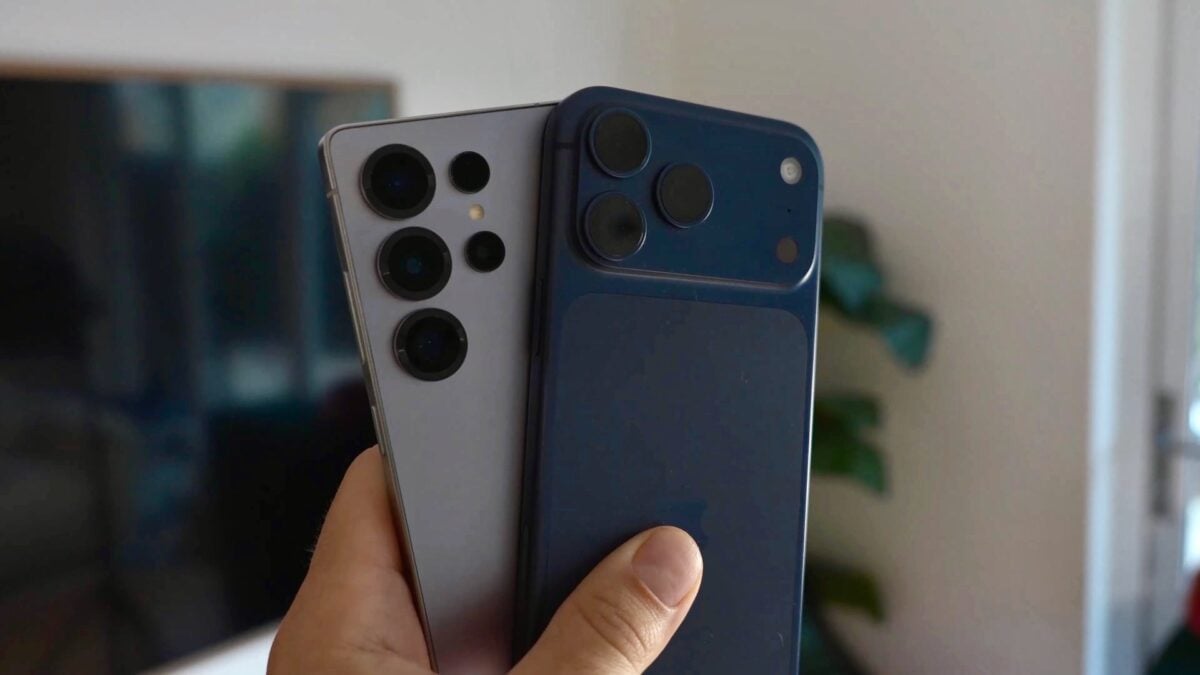
This perceived lack of interoperability is essentially the foundation of the U.S. government's 2024 claim that Apple is maintaining an illegal monopoly. However, Apple does not agree with this assessment. In its defense, the Cupertino-based giant is now turning to its biggest rival, Samsung Galaxy, and requesting internal documents that it believes will show the market is far more fluid than regulators realize.
The Legal Pressure on Samsung Korea
The U.S. Department of Justice, along with several states, has been aggressively pursuing a claim against Apple since 2024. The core of their argument is that Apple’s total control over the iPhone’s hardware features and the strict rules it applies to the App Store and third-party applications constitute monopolistic behavior designed to stifle competition.
Apple’s legal team is pushing back by claiming that Samsung possesses documents that will highlight the fiercely competitive nature of the modern smartwatch and smartphone markets. Specifically, Apple believes these records can demonstrate how frequently and easily users move between the two platforms, proving that the gates to its walled garden are not as locked as they seem.
By utilizing these documents, Apple hopes to establish that its policies do not constitute a monopoly but are instead part of a healthy, competitive landscape where consumers have the freedom to choose. It initially attempted to obtain this information from Samsung’s U.S. division, but was met with a refusal. Samsung U.S. claimed that only the headquarters in South Korea had access to the specific Android features and user data requested.
As a result, Apple is now invoking the Hague Evidence Convention. This international treaty allows U.S. courts to request evidence from foreign entities. However, the path is far from clear. Even if a U.S. court approves the request, Samsung Korea would still need to navigate the South Korean judicial system before being forced to comply.
Industry analysts suggest that Samsung Korea is unlikely to be thrilled about helping its primary competitor. While Samsung benefits whenever it is easier for iPhone users to switch to Android, handing over sensitive internal documents to help Apple win a monopoly case is a different matter entirely. Samsung’s legal team will likely fight to keep their data private, leaving Apple to find other ways to save its reputation.
Why is Apple asking for Samsung's internal documents in a monopoly case?
Apple wants to use Samsung's data to prove that the smartphone market is highly competitive. They believe these documents will show that users frequently switch between iOS and Android, which would undermine the U.S. government's claim that Apple has a monopoly.
What exactly is the "walled garden" criticism?
The "walled garden" refers to Apple's ecosystem, where hardware, software, and services are tightly integrated. Critics argue this makes it difficult for users to use non-Apple products or switch to a different mobile platform without losing access to features or data.
Can Samsung refuse to provide these documents to Apple?
Yes, and they already have in the U.S. Because the documents are held by Samsung Korea, Apple must use international legal channels like the Hague Evidence Convention. Samsung can still challenge these requests in South Korean courts.
How does the DOJ lawsuit affect the average iPhone user?
If the DOJ wins, Apple could be forced to change how the App Store works, allow better interoperability with third-party smartwatches, and make it easier for users to switch to Android devices without losing functionality.
🔎 Ultimately, this legal maneuver highlights the high stakes of the ongoing antitrust battle. By dragging its biggest rival into the courtroom, Apple is attempting to turn the narrative from one of market dominance to one of intense competition. Whether the South Korean courts will allow this data to be shared remains to be seen, but the outcome will undoubtedly shape the future of the mobile industry for years to come.
Post a Comment