
Beyond Notifications: Why Your Smartwatch is a Hidden Health Powerhouse
Over the last few years, wearing a smartwatch has become a standard part of daily life for many. However, it is easy to become accustomed to the device on your wrist and forget the sheer technological marvel it represents. We often view these gadgets as mere extensions of our smartphones, but a closer look reveals that modern wearables are sophisticated data hubs that offer insights far beyond simple message alerts. It is time to reevaluate how we perceive these devices and acknowledge the incredible depth of information they provide.
- ✨ Discover the vast array of health metrics that modern smartwatches track, from sleep cycles to vascular load.
- ✨ Learn how the latest Galaxy Watch 8 features, like the Antioxidant Index, provide deeper metabolic insights.
- ✨ Understand why these wearables might be more technologically impressive than the smartphones we carry.
- ✨ Explore the integration of AI in health monitoring to provide personalized energy scores and recovery guidance.
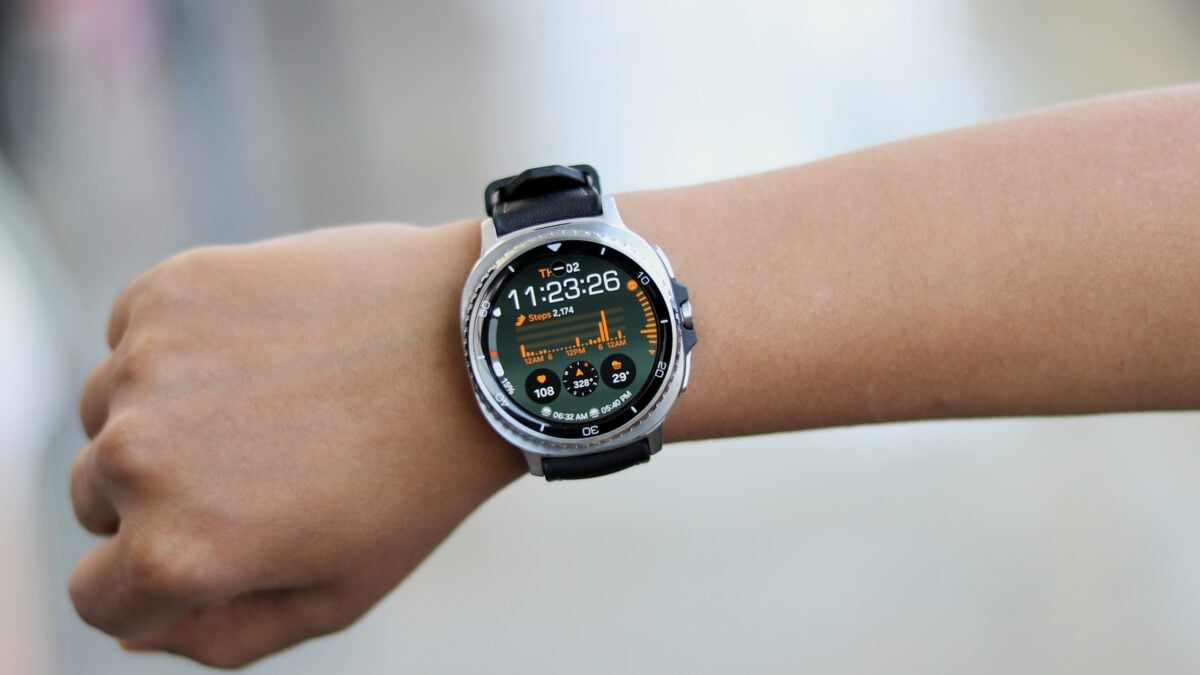
While a smartwatch cannot physically force a person to be healthier, the data it collects serves as a powerful nudge toward positive lifestyle changes. From a pure engineering and data-gathering perspective, these devices are remarkable. They monitor biological signals 24/7, translating heartbeats and skin temperature into actionable health scores that were once only available in medical clinics.
The Comprehensive Health Laboratory on Your Wrist
Think about the sheer volume of personal health data a smartwatch gathers. It isn't just about counting steps anymore; it’s about a holistic view of your body’s internal state. These devices analyze various categories of wellness to give you a complete picture of your physical condition.
Sleep and Recovery Metrics
Modern wearables have revolutionized sleep hygiene. By using a combination of heart rate variability and movement sensors, they provide:
- ✨ Detailed sleep cycle analysis and overall sleep quality scores.
- ✨ Advanced snoring detection to monitor respiratory health during rest.
- ✨ AI-powered energy scores that predict how ready you are for the day ahead.
Cardiovascular and Circulation Monitoring
The heart is the primary focus of most high-end wearables. With sensors like the BioActive sensor in the Galaxy Watch Ultra, users can access:
- ✨ Continuous heart rate tracking during daily activities and intense workouts.
- ✨ ECG readings capable of supporting AFib (Atrial Fibrillation) detection.
- ✨ Blood oxygen (SpO2) monitoring to ensure healthy oxygen saturation levels.
- ✨ Blood pressure tracking and vascular load estimation for long-term strain trends.
Metabolism and Body Composition
One of the most impressive feats of modern smartwatches is their ability to estimate body composition. This includes fat percentage, skeletal muscle mass, and body water. Furthermore, the introduction of the Antioxidant Index in the latest generation provides a window into metabolic health and nutritional status that was previously unheard of in consumer electronics.
The Edge of the Galaxy Ecosystem
For those within the Samsung ecosystem, the choice of a wearable is clear. The current lineup, consisting of the Galaxy Watch 8, the Classic model with its iconic rotating bezel, and the rugged Ultra, provides a unified experience. By using a consistent BioActive sensor across all models, Samsung ensures that every user receives the same high-quality data regardless of which design they prefer.
These devices are more than just accessories; they are miraculous pieces of engineering that fit on a human wrist. Whether you are tracking a marathon or simply monitoring your stress levels during a busy workday, the smartwatch has earned its place as an essential tool for the modern, health-conscious individual.
How accurate are smartwatches for tracking medical conditions?
While modern smartwatches are highly advanced and can detect irregularities like AFib or low blood oxygen, they are generally classified as wellness devices rather than clinical-grade medical equipment. They are excellent for identifying trends and providing early warnings, but any serious health concerns should always be confirmed by a healthcare professional using medical-grade diagnostics.
What is the benefit of the Antioxidant Index feature?
The Antioxidant Index is a specialized feature found in the latest Galaxy Watch series. It measures specific compounds in the skin to provide a reflection of your overall metabolic health and nutritional habits. This helps users understand how their diet and lifestyle are impacting their body's ability to fight oxidative stress.
Do all Galaxy Watches track blood pressure?
Yes, the more recent models in the Galaxy Watch lineup support blood pressure monitoring. However, this feature requires initial and periodic calibration using a traditional cuff-based blood pressure monitor to ensure the sensor readings remain accurate over time.
Can a smartwatch really improve my sleep quality?
A smartwatch improves sleep quality by providing visibility into your rest patterns. By identifying when you have restless periods or tracking your snoring, the device allows you to make informed adjustments to your environment or habits, such as changing your caffeine intake or adjusting your bedroom temperature.
🔎 In conclusion, the modern smartwatch is a testament to how far wearable technology has come. No longer just a secondary screen for your phone, it has evolved into a vital health companion that offers deep, data-driven insights into our daily lives. By embracing these tools, we gain a better understanding of our bodies, empowering us to lead healthier and more informed lives in an increasingly digital world.
Post a Comment