
Exynos 2600 vs Snapdragon 8 Elite: The Ultimate Galaxy S26 Processor Showdown
For years, tech enthusiasts and Samsung fans have debated the performance gap between Samsung's in-house Exynos chips and Qualcomm's Snapdragon processors. The long-standing narrative has often painted Exynos as the underdog, trailing behind in efficiency and raw power. However, with the arrival of the Exynos 2600 and the Snapdragon 8 Elite Gen 5, that gap is closing faster than ever before. A recent deep-dive comparison reveals that the reality of these two chipsets might surprise you, especially when it comes to real-world usage on the latest Galaxy S26 series.
- ✨ Real-world AI processing tasks perform at near-identical speeds on both chipsets.
- ✨ The Exynos 2600 actually outperforms the Snapdragon 8 Elite in specific GPU-heavy workloads.
- ✨ Snapdragon maintains a slight lead in raw synthetic CPU benchmarks, particularly in single-core tests.
- ✨ The Exynos 2600 demonstrates superior thermal management, running cooler during intense video exports.
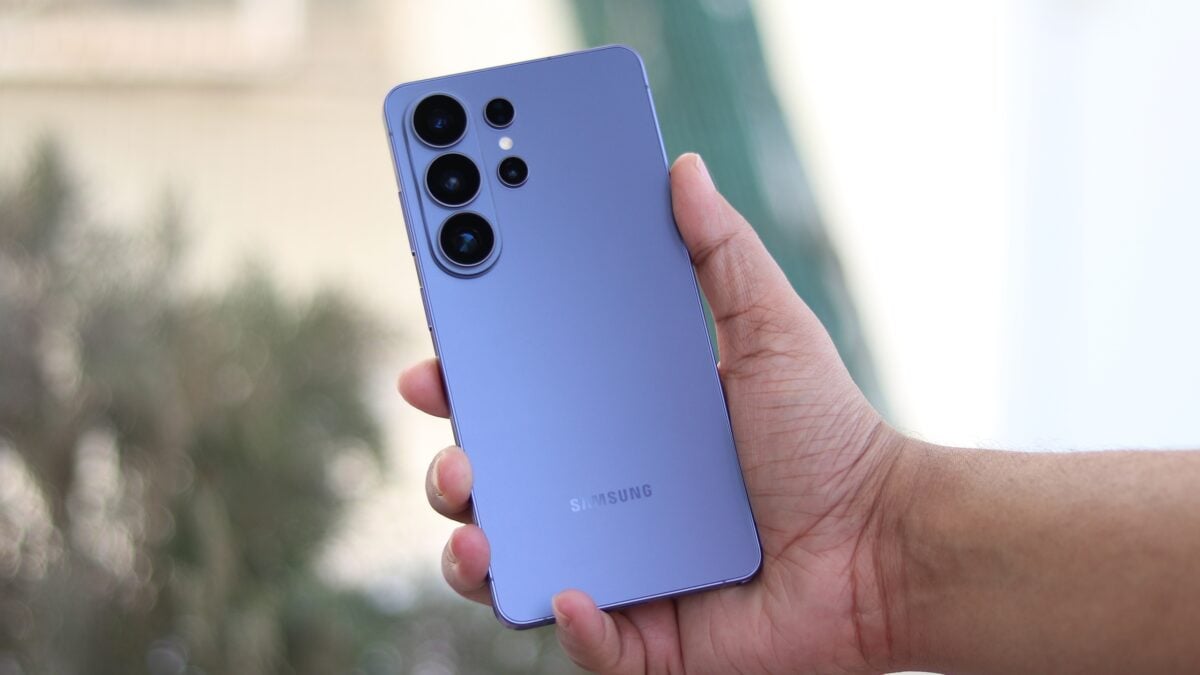
The team at SamMobile TV recently released a comprehensive comparison between the Galaxy S26 performance powered by these two distinct processors. This showdown is particularly crucial because both chips are utilized across the global Galaxy S26 lineup, making the choice between them a hot topic for potential buyers. You can read more about the detailed battery tests here to see how they stack up in endurance.
Benchmarks vs. Real-World Performance
When looking at raw numbers, the Snapdragon 8 Elite Gen 5 continues to hold the crown in synthetic CPU benchmarks. It specifically shines in single-core workloads, which are often cited as a measure of snappy UI performance. However, this comparison highlights a vital point: benchmarks only tell part of the story. In everyday scenarios, the perceived performance difference between the Exynos and Snapdragon variants has virtually vanished.
Whether you are navigating the interface, launching apps, or utilizing advanced Galaxy AI features, both chips deliver a seamless and fluid experience. Tasks such as live translation, photo editing, and text summarization run at nearly identical speeds, proving that Samsung has optimized its software to ensure parity across different hardware configurations.
GPU Power and Thermal Efficiency
Perhaps the most shocking revelation from the recent tests is the Exynos 2600's prowess in the graphics department. In several GPU benchmarks, the Exynos chip pulled ahead of the Snapdragon 8 Elite. This isn't just limited to numbers on a screen; during long LOG video exports, the Exynos 2600 not only completed the task faster but also maintained a lower temperature compared to its Qualcomm rival.
This shift indicates that Samsung's focus on graphics and thermal management is paying off. For gamers and content creators, the Exynos 2600 is no longer a "compromise" but a legitimate powerhouse that can handle sustained heavy loads without significant throttling. This level of balance makes the Galaxy S26 series one of the most consistent flagship releases in years, regardless of which chip is under the hood.
To see the full breakdown of thermals, AI response times, and detailed gaming frame rates, be sure to watch the complete video above. To stay updated with the latest in the Samsung ecosystem, click on the link below to join our community.
Does the Snapdragon 8 Elite still lead in CPU performance?
Yes, in terms of raw synthetic benchmarks, the Snapdragon 8 Elite Gen 5 generally scores higher than the Exynos 2600, particularly in single-core CPU tests. However, these differences are rarely noticeable during standard smartphone operations.
How does the Exynos 2600 handle heavy video editing?
Surprisingly well. In tests involving long LOG video exports, the Exynos 2600 outperformed the Snapdragon 8 Elite, completing the task faster while maintaining better thermal stability.
Is there a significant difference in AI processing speed?
No. For daily Galaxy AI tasks, such as real-time language translation or generative photo editing, both processors perform at nearly identical speeds, providing a consistent user experience.
Which processor is better for gaming and cooling?
While both are top-tier, the Exynos 2600 showed impressive results in GPU benchmarks and ran cooler during sustained high-performance tasks, which can lead to less thermal throttling during long gaming sessions.
🔎 In conclusion, the battle between the Exynos 2600 and the Snapdragon 8 Elite Gen 5 marks a significant turning point for Samsung. The gap that once defined the "Exynos vs. Snapdragon" debate has narrowed to the point of being negligible for the vast majority of users. With the Exynos 2600 showing superior GPU performance and better thermals in specific scenarios, Samsung has finally delivered an in-house chip that stands tall against the best Qualcomm has to offer. This competition only benefits the consumer, ensuring that no matter which version of the Galaxy S26 you receive, you are getting a world-class flagship experience.
Post a Comment