
How Google Play Store’s New Badges are Revolutionizing the Foldable and Tablet Experience
The landscape of Android devices has shifted dramatically over the last few years, moving beyond the standard smartphone slab to embrace expansive, versatile displays. Four years ago, Google signaled this transition by launching Android 12L, a specialized version of the operating system designed specifically to harness the power of foldable phones and tablets. Since that milestone, we have seen a steady wave of optimization. Google has updated its own suite of workspace apps, and manufacturers like Samsung have refined their stock One UI applications to ensure that every inch of a large screen is used effectively. Now, the tech giant is taking another major step to ensure users can easily identify which apps truly shine on these high-end devices.
- ✨ Google is introducing a new badge system to highlight apps optimized for large screens.
- ✨ The update aims to improve the user experience on Android tablets and foldable devices.
- ✨ New visibility features are expected to incentivize developers to create better big-screen layouts.
- ✨ This move supports Google's broader strategy for an Android-powered ChromeOS future.
Enhanced Visibility for Big-Screen Optimized Applications
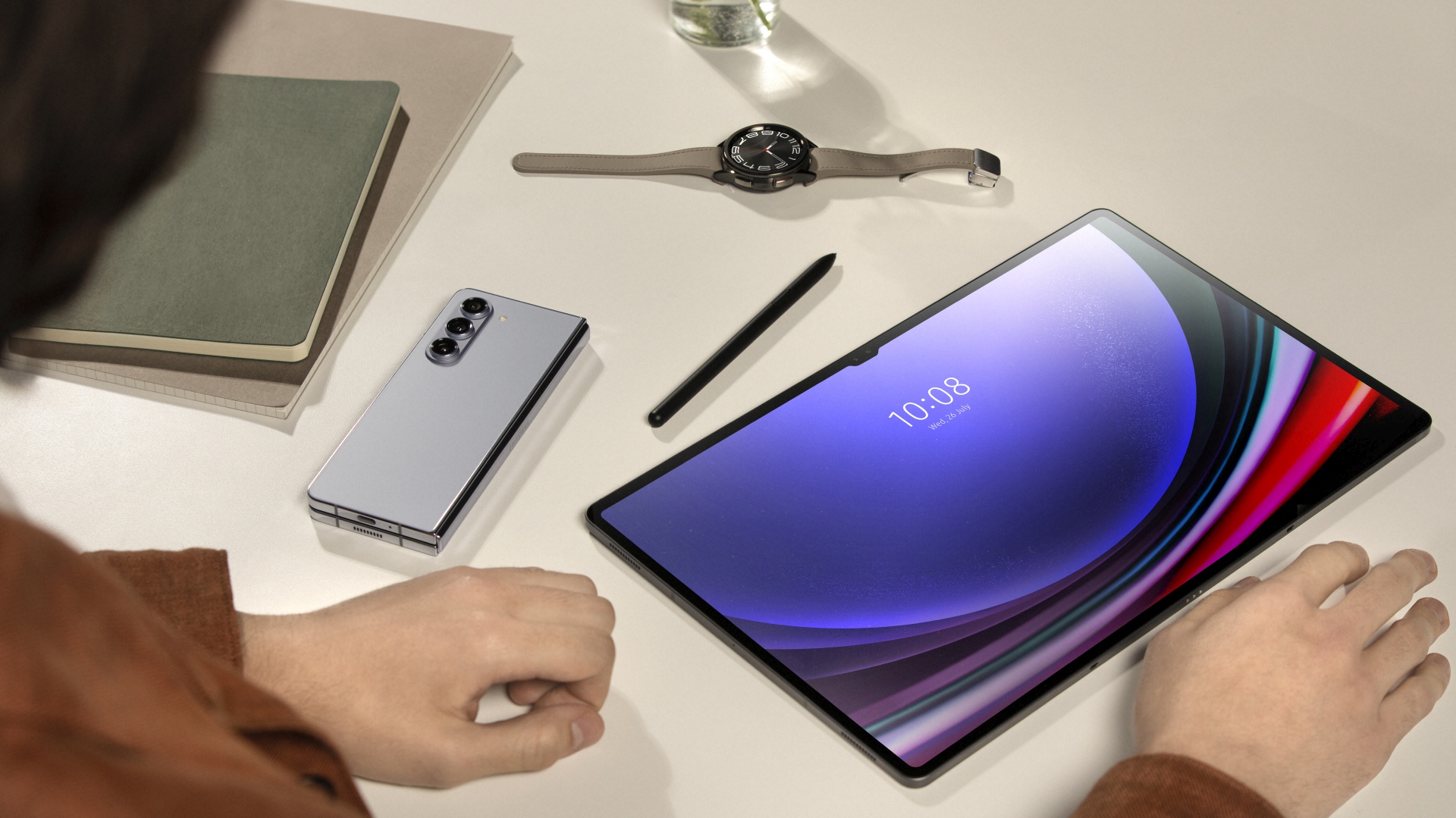
According to recent findings within the version 51.2 changelog of Google Play Services, the Google Play Store is preparing to implement a dedicated badge for applications that meet specific large-screen criteria. This visual indicator will serve as a seal of quality, helping users quickly distinguish between apps that are simply "stretched out" and those that offer a genuine multi-column or enhanced layout. By providing this clarity, Google is making it easier for owners of devices like the Galaxy Z Fold series or the Pixel Tablet to find software that justifies their hardware investment.
This initiative isn't just about helping users; it's a strategic move to "pull" developers toward better design standards. When an app receives a badge, it gains a competitive advantage in search results and category listings. This increased visibility is a powerful motivator for third-party developers to invest the time and resources necessary to implement responsive designs that adapt seamlessly to various aspect ratios and screen sizes.
While this version of the Play Store has not yet reached every user, the public nature of the changelog suggests that a global rollout is imminent. This timing is particularly interesting as rumors continue to swirl regarding Google's internal projects. The company is widely expected to debut a version of ChromeOS that is more deeply integrated with the Android ecosystem later this year. A library of high-quality, big-screen optimized apps would be essential for the success of such a platform, making this Play Store update a foundational piece of a much larger puzzle.
What exactly is the new Google Play Store badge?
The new badge is a visual marker that appears on an app's listing in the Play Store. It indicates that the application has been specifically optimized to work well on large-screen devices, such as tablets and foldables, rather than just running a scaled-up version of a phone interface.
Which devices will benefit from this update?
Users with large-screen Android hardware will benefit most. This includes foldable smartphones (like the Samsung Galaxy Z Fold series), Android tablets, and potentially future ChromeOS devices that run Android applications.
Why is Google introducing this now?
Google is making a significant push to improve the Android ecosystem for larger displays. This move encourages developers to optimize their apps, which is crucial for the success of foldables and the rumored Android-integrated version of ChromeOS.
How can developers get this badge for their apps?
Developers need to follow Google's large-screen development guidelines, which include implementing responsive layouts, supporting multi-window modes, and ensuring that UI elements are properly spaced and accessible on bigger displays.
When will I see these badges in my Play Store?
The feature was spotted in the changelog for Google Play Services version 51.2. While the changelog is public, the feature is rolling out in stages and should appear for most users in the coming weeks.
🔎 Ultimately, Google’s decision to highlight optimized apps is a win for both users and the Android ecosystem as a whole. It transforms the Play Store from a simple repository into a curated experience that respects the premium hardware users are carrying. By rewarding developers who prioritize quality and adaptability, Google is ensuring that the future of mobile computing on large screens is not just bigger, but significantly better.
Post a Comment