
Is Samsung Galaxy XR Immune to the Impending Metaverse Collapse?
Mark Zuckerberg’s ambitious dream of constructing a persistent virtual world—a metaverse where users interact through Meta Quest headsets—appears to be reaching its end. Meta recently confirmed it is shutting down Horizon Worlds, its flagship virtual reality space, after consuming billions of dollars in investment and years of intensive research. This development raises a critical question for the tech industry: Is the upcoming Samsung Galaxy XR headset destined for the same fate, or is it built on a more sustainable foundation?
- ✨ Meta is officially discontinuing Horizon Worlds following massive financial losses.
- ✨ Samsung’s Galaxy XR avoids the "Metaverse Trap" by focusing on AI-driven utility.
- ✨ The industry is shifting from replacing reality to augmenting it with smart overlays.
- ✨ Google and Samsung’s partnership emphasizes mobile AI integration over digital avatars.
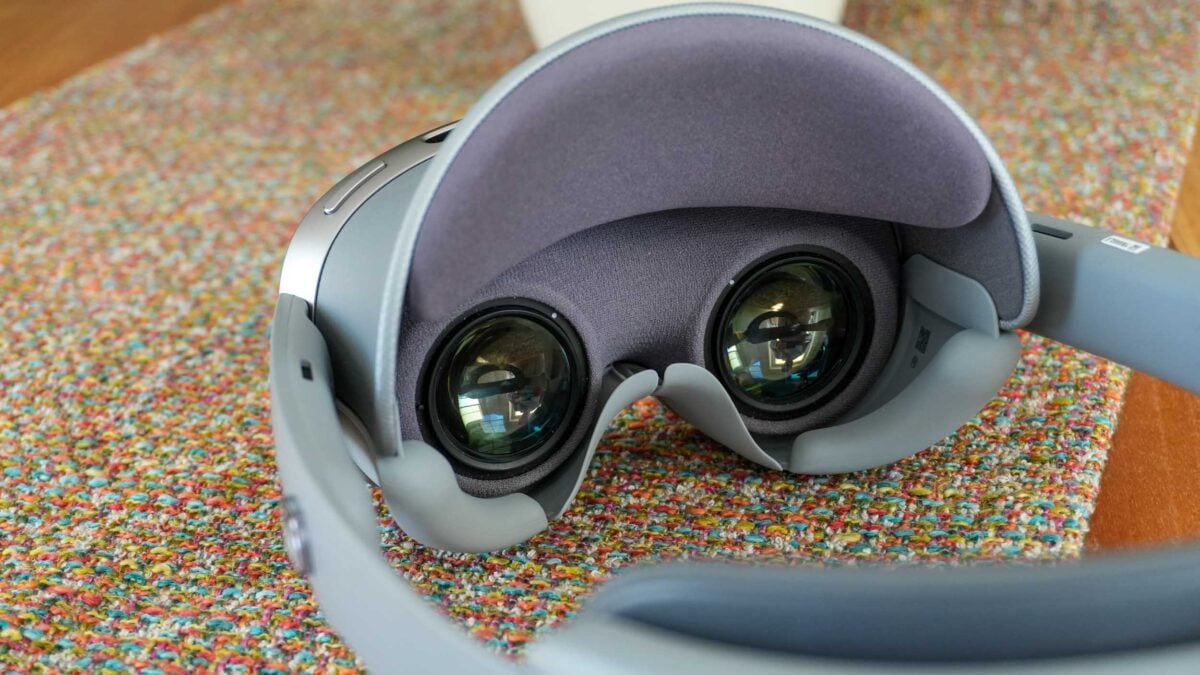
The Reality Check for Virtual Worlds
The short answer is: not really. If the Galaxy XR fails, the demise of Horizon Worlds won’t be the culprit. Zuckerberg intentionally kept Horizon Worlds locked within the Quest ecosystem, meaning it was never a factor in the Virtual Reality equation for Samsung users. Its closure won't directly impact other platforms, but it serves as a massive signal to the market. It suggests that despite the astronomical spending, the "parallel world" dream is still nowhere near ready for mainstream adoption.
Perhaps this shift is a positive development. Outside of a niche group of tech idealists, most users were never truly sold on the concept of a Metaverse—especially one envisioned as a digital mall where Meta could tax every transaction. Meta’s decision feels like a necessary reality check. It seems that even the giants building the hardware haven't fully cracked the code on what VR is actually for, and most Quest users certainly weren't logging in just for Horizon Worlds.
How Samsung and Google Are Pivoting to AI
While Zuckerberg went all-in on digital avatars, the rest of the tech world became obsessed with Artificial Intelligence. This is where the Galaxy XR has a distinct advantage. It isn't just a clone of the Meta Quest; it is an AI-driven experience designed to enhance the physical world rather than replace it. Samsung and Google have prioritized Samsung AI integration, creating a device that augments your surroundings.
Technically, the Galaxy XR possesses full VR capabilities, but Samsung’s tech demos are consistently rooted in reality. Instead of a cartoonish digital world, the vision for Galaxy XR involves projecting high-end gadgets and interfaces directly into your living space. It’s a different kind of technological future—one where your "home theater" or "workstation" exists as an augmented reality object projected straight to your eyes.
A Strategic Advantage in the Mobile Space
It is likely that Samsung and Google anticipated the failure of the pure Metaverse model and pivoted early. While Meta is only now redirecting resources toward mobile experiences and AI, Samsung is already a global leader in both categories. By focusing on Augmented Reality and AI-powered utility, the Galaxy XR stands a much better chance of surviving the current industry shake-up.
Does the shutdown of Horizon Worlds mean the end of VR?
No, it simply means that the "Metaverse" as a social virtual world has failed to gain traction. The industry is moving toward "Spatial Computing" and Augmented Reality, which focus on practical applications and merging digital content with the real world.
Why is Samsung's Galaxy XR considered safer than Meta's Quest?
Samsung's approach is tied to the Android ecosystem and Google's AI advancements. Instead of trying to force users into a new virtual world, Samsung is building a tool that enhances the mobile and home experiences users already have.
What will be the main use case for the Galaxy XR?
Based on current trends, the focus will be on productivity, media consumption via augmented screens, and AI-assisted tasks, such as real-time translation or object recognition in the user's physical environment.
Is Meta giving up on AI?
Quite the opposite. Meta is shutting down Horizon Worlds specifically to redirect its massive R&D budget toward mobile AI and integrated experiences, essentially trying to catch up to where Samsung and Google already are.
🔎 Ultimately, the collapse of Mark Zuckerberg’s virtual dream isn't a death sentence for the industry; it's a necessary evolution. By shedding the baggage of the Metaverse, companies like Samsung can focus on what users actually want: technology that makes their real lives better, not technology that tries to replace them. The Galaxy XR’s survival depends on its ability to remain a useful, AI-powered extension of our daily reality rather than a gateway to a failing digital void.
Post a Comment