
Samsung Foldable Ban Lawsuit: Lepton Computing vs. Galaxy Z Innovation
In the high-stakes world of mobile technology, legal battles over intellectual property are a common occurrence. Large tech giants like Samsung frequently find themselves in the crosshairs of companies often referred to as "patent trolls"—entities that acquire or file patents specifically to extract payouts from successful manufacturers. The latest challenge comes from a US-based firm aiming to disrupt Samsung’s dominance in the foldable market.
Article Highlights
- ✨ Lepton Computing LLC has filed a lawsuit seeking a total ban on Samsung foldable phones in the US.
- ✨ The claims involve core technology used in the Galaxy Z Fold, Z Flip, and upcoming TriFold devices.
- ✨ Allegations suggest that Samsung used proprietary prototypes shared during cooperation talks in 2013.
- ✨ A major discrepancy exists, as the patents were registered years after Samsung launched its first foldable.
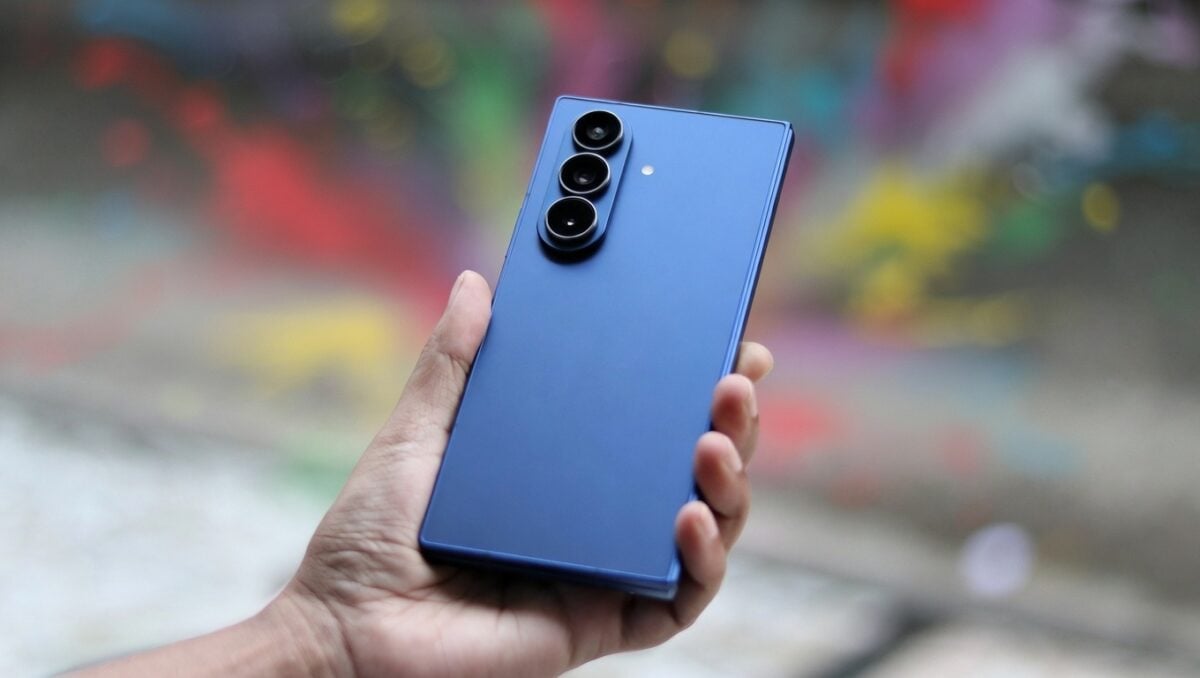
Samsung is no stranger to complex patent disputes and is unlikely to be intimidated by this recent filing. The lawsuit, initiated by Lepton Computing LLC, doesn't just seek financial compensation; it demands a permanent injunction against the sale of all Samsung foldable models. For a company that has invested billions into the Samsung foldable ecosystem, the stakes are undeniably high.
The Core of the Infringement Allegations
Lepton Computing claims to be the original developer of the foundational technology that makes foldable displays possible. According to the lawsuit, Samsung’s entire foldable portfolio—including the Galaxy Z Fold, Galaxy Z Flip, and the rumored Galaxy Z TriFold—infringes on patents held by Lepton. The plaintiff is seeking a combination of damages, ongoing royalties, and a complete market ban.
One of the more dramatic claims in the filing is that Lepton and Samsung Electronics actually discussed a potential partnership as far back as 2013. Lepton alleges that it shared technological details and a physical prototype with the Korean giant at that time. They argue that Samsung proceeded to develop its own foldable line using this shared knowledge, effectively infringing on patents Lepton eventually secured.
Timeline Discrepancies and Samsung’s Defense
While the allegations sound serious, the legal reality may be far more complicated for Lepton. Reports from South Korea have highlighted a significant hole in the plaintiff's timeline. The earliest registration date for the patents cited in the lawsuit is June 29, 2021. This date is particularly notable because it falls nearly two years after Samsung officially released the original Galaxy Fold in September 2019.
In the world of patent law, "prior art" and the timing of innovation are everything. Samsung will almost certainly argue that its technology was developed independently and publicly showcased long before Lepton's patents were finalized. This chronological gap will likely serve as a cornerstone for Samsung’s legal counter-offensive.
| Feature | Status |
|---|---|
| Current Lawsuit Status | Active / Pending |
| Targeted Devices | Galaxy Z Fold, Z Flip, Z TriFold |
| Primary Claim | Patent Infringement |
Despite the legal noise, Samsung’s operations remain unaffected for now. The company is expected to contest the lawsuit vigorously, a process that could span several years before reaching a final resolution. Consumers interested in these cutting-edge devices can still find significant value in the current market.
Who is Lepton Computing LLC and why are they suing?
Lepton Computing LLC is a US-based company that claims to hold essential patents for foldable smartphone technology. They are suing Samsung for allegedly using their proprietary designs and technology in the Galaxy Z series without permission or compensation.
Which Samsung devices could be affected by this ban?
The lawsuit specifically targets the Galaxy Z Fold and Galaxy Z Flip series. It also mentions future devices like the Galaxy Z TriFold, as the plaintiff claims their patents cover the fundamental mechanics of folding displays.
Is it likely that Samsung foldable phones will be banned?
It is highly unlikely in the short term. Patent lawsuits of this scale usually take years to litigate. Furthermore, the fact that Samsung launched its first foldable phone years before Lepton’s patents were registered provides a strong defense for the tech giant.
When did the alleged technology sharing occur?
Lepton claims that they met with Samsung as far back as 2013 to discuss cooperation. They allege that during these meetings, they provided Samsung with technical details and a prototype that served as the foundation for the current Galaxy Z lineup.
🔎 Ultimately, this lawsuit highlights the ongoing friction between established manufacturers and smaller firms holding specialized intellectual property. While the threat of a "permanent ban" sounds alarming, the legal process is long, and Samsung has a formidable history of defending its innovations in court. For now, the foldable revolution continues unabated, and the Galaxy Z Fold 7 remains one of the most anticipated mobile releases on the horizon.
Post a Comment