
Samsung Galaxy A37 vs Galaxy A34: Is the Brighter Screen and Faster Chip Worth the Upgrade?
Samsung has officially raised the bar for mid-range smartphones with the debut of the Galaxy A37. While the Galaxy A34 has been a reliable companion for many, the new model introduces significant leaps in display technology, processing power, and overall durability. In this deep-dive comparison, we explore whether these upgrades translate into a better daily experience and if it's finally time to trade in your older device for the latest Samsung Galaxy innovation.
Quick Summary:
The Galaxy A37 outshines its predecessor with a massive 1,900-nit HDR display, a much faster 4nm Exynos processor, and a more premium, thinner design. It also promises longevity with updates reaching all the way to Android 22.
- ✨ Display Leap: A larger 6.7-inch AMOLED screen hitting a staggering 1,900 nits of peak brightness.
- ✨ Performance Boost: Powered by the 4nm Exynos 1480 for smoother multitasking and gaming.
- ✨ Premium Build: Upgraded to Gorilla Glass Victus+ and a thinner 7.4mm profile.
- ✨ Enhanced Charging: Support for 45W fast charging, nearly doubling the speed of the older model.
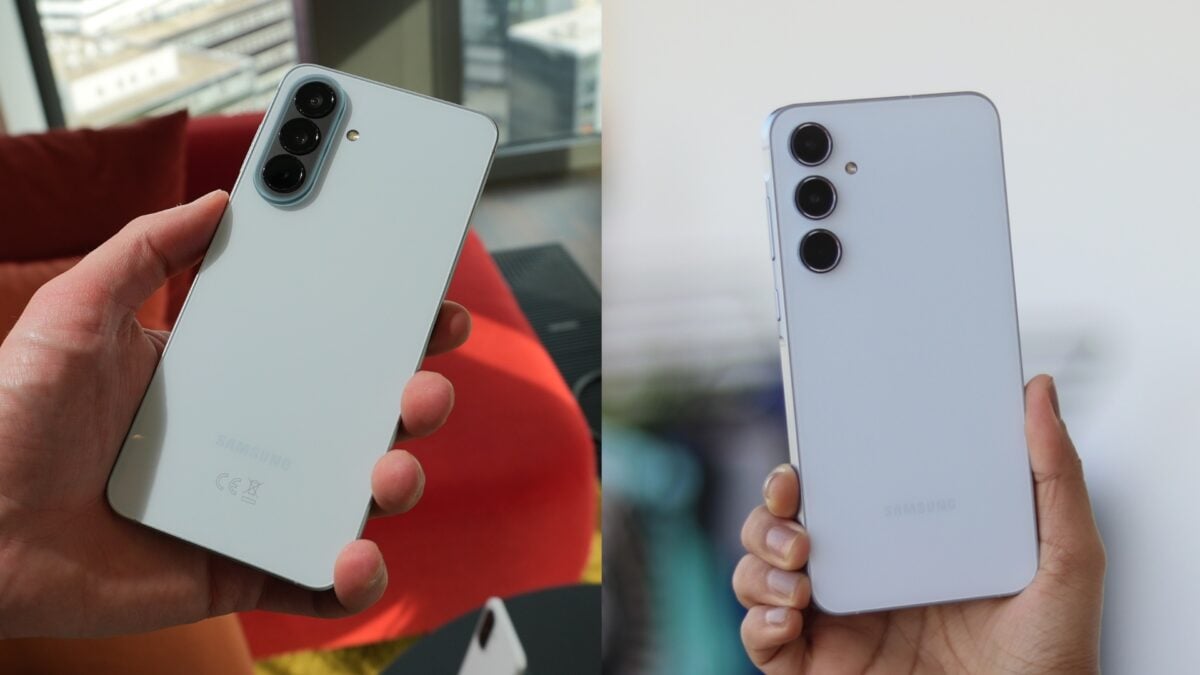
Galaxy A37 vs Galaxy A34: Features and Specifications Compared
The Galaxy A37 features a 6.7-inch Super AMOLED display with Full HD+ resolution, a 120Hz refresh rate, and brightness of up to 1,900 nits in HDR mode. This makes it slightly larger and significantly brighter than the Galaxy A34’s 6.6-inch Super AMOLED display, which reaches up to 1,200 nits peak brightness. Both devices include an in-display optical fingerprint reader for biometrics, ensuring secure access with a simple touch.
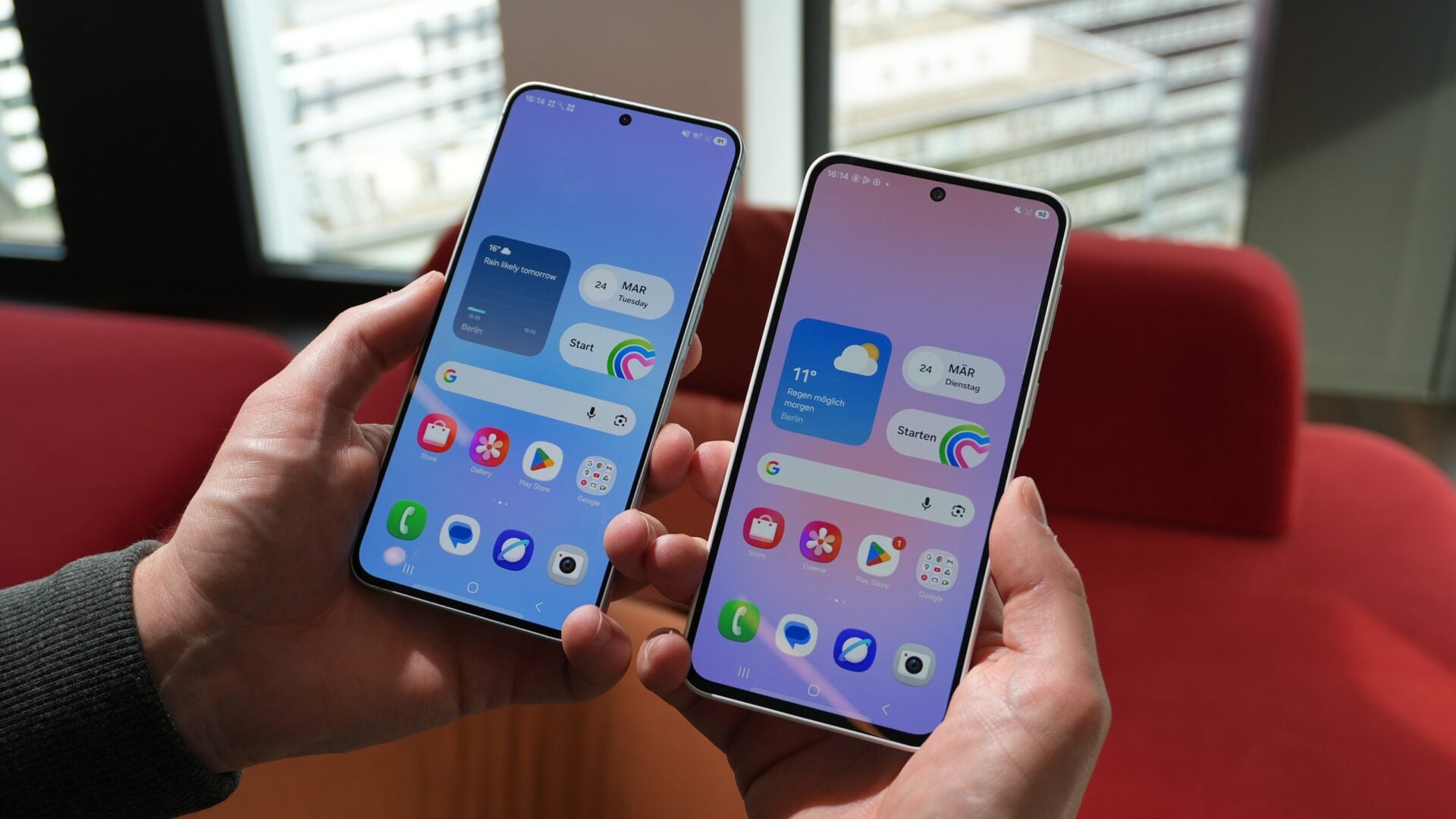
While both phones have a plastic frame, the Galaxy A37 is protected by Gorilla Glass Victus+ on both the front and rear. In comparison, the Galaxy A34 uses Gorilla Glass 5 on the front and a plastic back. The Galaxy A37 also has an IP68 rating for dust and water resistance, making it more durable than the IP67-rated Galaxy A34, providing better peace of mind against accidental spills or submersions.
Camera Evolution and Video Capabilities
Samsung has equipped the Galaxy A37 with a larger (1/1.56-inch) and higher-resolution 50MP primary rear camera. In comparison, the Galaxy A34 uses a 48MP (1/2-inch) sensor. Both phones feature 12MP ultrawide and 5MP macro cameras. On the front, the Galaxy A34 has a 13MP selfie camera, while the Galaxy A37 has a 12MP sensor.
Both devices can record 4K 30fps video using their front and primary rear cameras. However, the Galaxy A37 can capture brighter and more detailed videos with a wider dynamic range, thanks to an improved image signal processor and Super HDR (based on Google’s Ultra HDR format). This makes the A37 a superior choice for content creators and social media enthusiasts.
Performance, RAM, and Efficiency
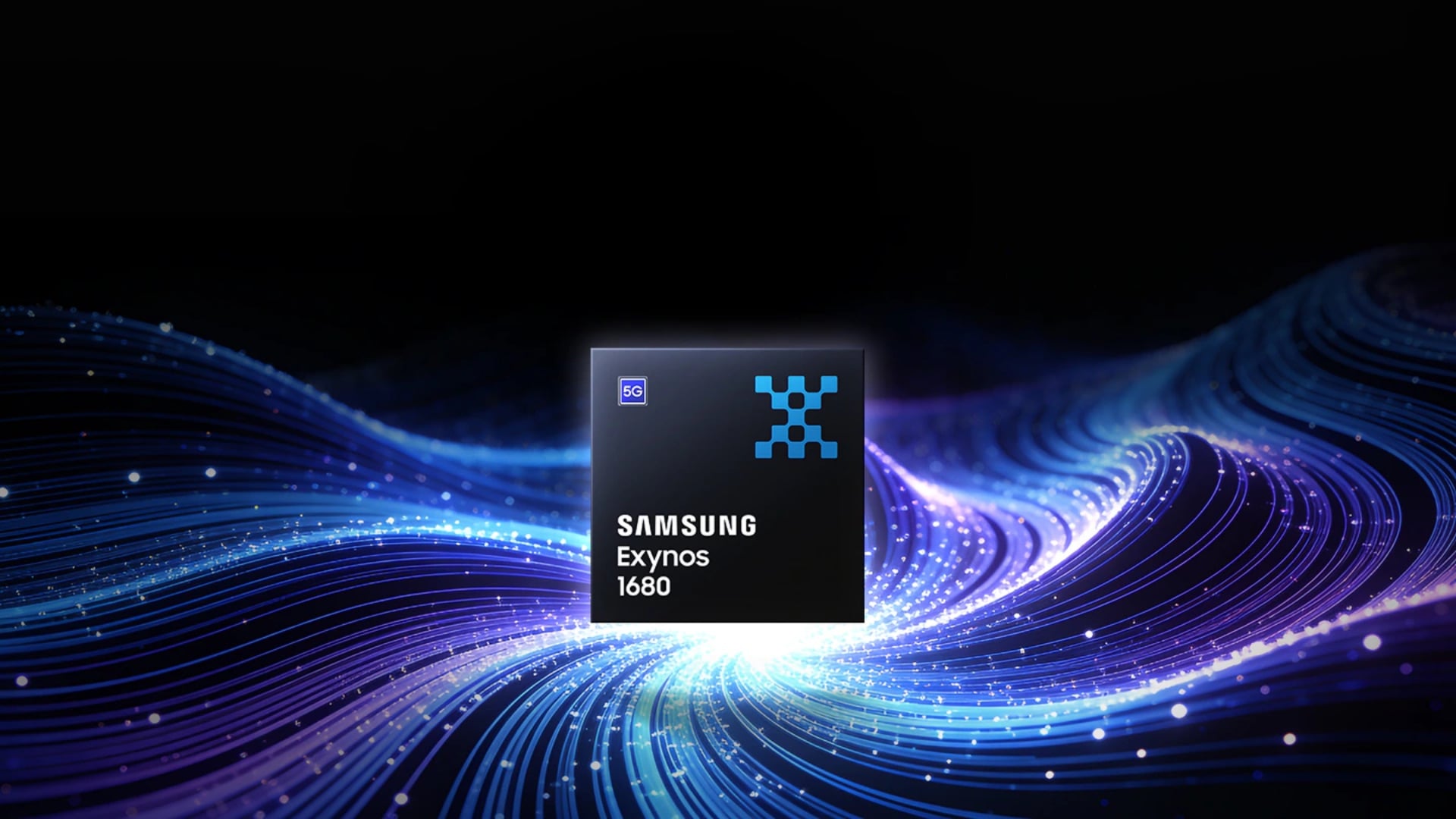
In terms of performance, the Galaxy A37, powered by the 4nm Exynos 1480 chipset, is clearly faster and more power-efficient than the Galaxy A34’s 6nm Dimensity 1080 processor. The newer chip features four high-performance Cortex-A78 cores clocked at up to 2.75GHz and four efficiency-focused Cortex-A55 cores clocked at 2GHz. Its Xclipse 530 GPU is also more powerful than the Mali-G68 MC4 GPU in the Galaxy A34, offering a better gaming experience.
The Galaxy A34 is available with 4GB, 6GB, or 8GB of RAM, depending on the variant. In comparison, the Galaxy A37 starts at 6GB of RAM and goes up to 12GB, and it uses significantly faster LPDDR5X memory instead of LPDDR4X, which makes apps open faster and multitasking smoother.
| Feature | Galaxy A34 | Galaxy A37 |
|---|---|---|
| Processor | Dimensity 1080 (6nm) | Exynos 1480 (4nm) |
| Max Brightness | 1,200 nits | 1,900 nits |
| Main Camera | 48MP | 50MP (Improved Sensor) |
| Fast Charging | 25W | 45W |
| Durability | IP67 / GG5 | IP68 / GG Victus+ |
Both phones are available with 128GB or 256GB of storage, but here, the Galaxy A34 has a leg up: it includes a microSD card slot for expansion, a feature that is increasingly rare in modern smartphones.
Connectivity and Long-Term Software Support
For connectivity, the Galaxy A37 offers 5G, GPS, Wi-Fi 6, Bluetooth 5.4, NFC, and a USB Type-C port (USB 2.0). The Galaxy A34 includes 5G, GPS, Wi-Fi 5, Bluetooth 5.3, NFC, and a USB Type-C port (USB 2.0). Both phones have a 5,000mAh battery, but the Galaxy A34 supports 25W fast charging, while the Galaxy A37 supports up to 45W fast charging, significantly reducing the time spent tethered to a wall.
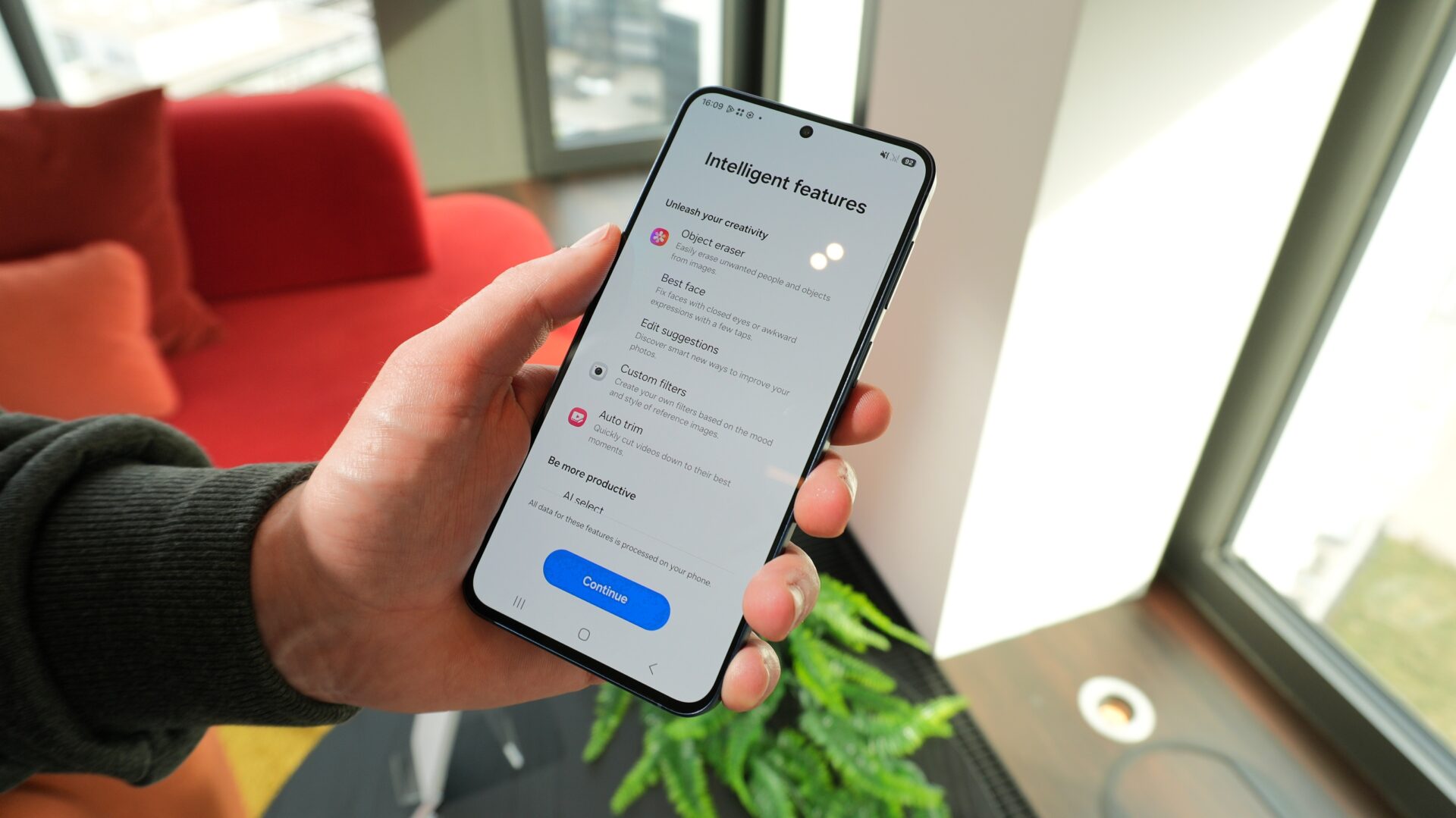
At 7.4mm, the Galaxy A37 is thinner than the Galaxy A34 and also slightly lighter (196g vs 199g). The Galaxy A34 launched with Android 13 and is expected to receive updates up to Android 17. The Galaxy A37 comes with Android 16-based One UI 8.5 and will receive updates up to Android 22, making it a much better long-term investment.
How much brighter is the Galaxy A37 screen compared to the A34?
The Galaxy A37 features a display that reaches up to 1,900 nits in HDR mode, which is significantly brighter than the 1,200 nits peak brightness of the Galaxy A34. This ensures much better visibility under direct sunlight.
Does the Galaxy A37 support expandable storage?
Unlike the Galaxy A34, which includes a microSD card slot for storage expansion, the Galaxy A37 does not offer this feature. Users must choose between the 128GB or 256GB internal storage models.
Is the charging speed faster on the newer model?
Yes, the Galaxy A37 supports 45W fast charging, a notable upgrade from the 25W fast charging found on the Galaxy A34. This allows for much quicker top-ups during the day.
What are the main durability differences?
The Galaxy A37 features an IP68 rating for better water resistance and is protected by Gorilla Glass Victus+ on both sides. The Galaxy A34 has an IP67 rating and uses Gorilla Glass 5 only on the front.
🔎 Overall, upgrading from the Galaxy A34 to the Galaxy A37 makes complete sense for most users. Samsung’s newer mid-range phone offers a larger and brighter display, improved durability with premium glass, faster performance via the Exynos 1480, better connectivity, and significantly faster charging. While the loss of the microSD slot might sting for some, the decade-long software support and superior build quality make the Galaxy A37 a well-rounded and future-proof upgrade.
Post a Comment