
Samsung Galaxy Battery Future: Decoding the 2027 EU Regulations
Recent reports have stirred significant conversation regarding the future of Samsung Electronics mobile hardware. Many headlines suggest that by 2027, the European Union will force a return to the era of fully swappable batteries for all Galaxy devices. However, a closer look at the actual legal framework reveals a more nuanced reality. The transition may not be a regression to old designs, but rather a sophisticated leap forward in repairability standards that could redefine how we interact with our devices.
- ✨ **Understanding the legal definition of "portable batteries" and how it applies to modern smartphones.**
- ✨ **Why the 2027 mandate focuses on "ready removability" rather than just swappable back covers.**
- ✨ **How Samsung is already ahead of the curve with innovative battery pouch designs.**
- ✨ **What to expect from the next generation of Galaxy devices in terms of DIY repairability.**
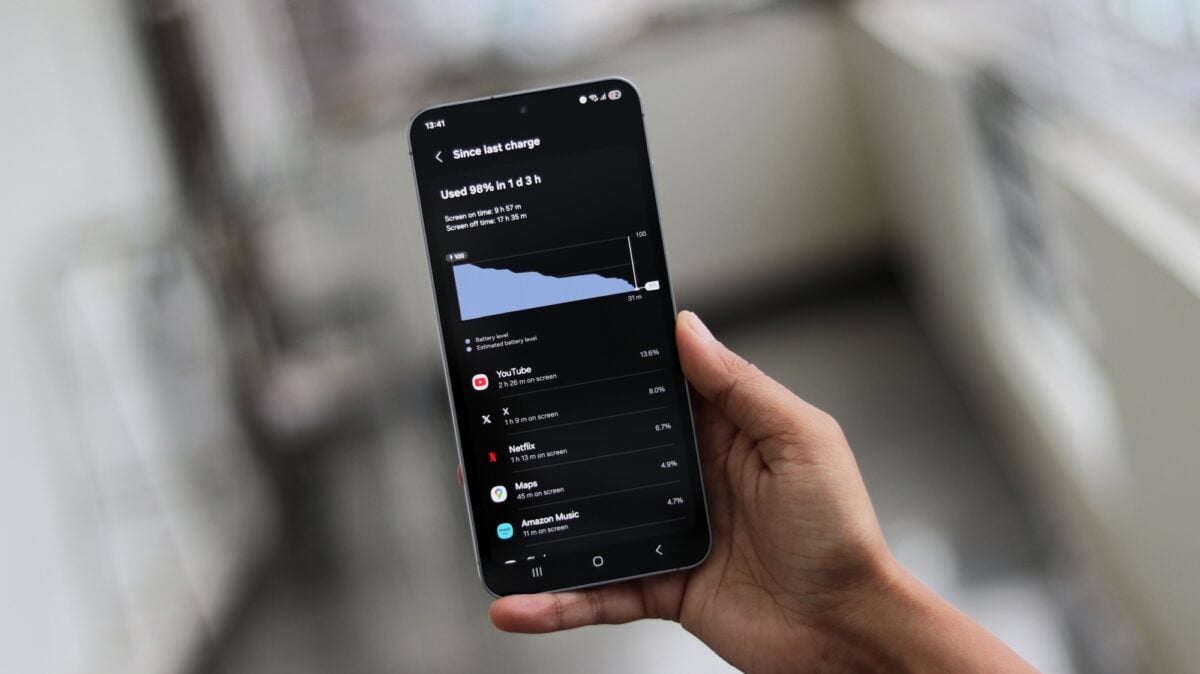
There’s been a wave of coverage lately claiming 2027 will force Samsung to bring back fully swappable batteries in its Galaxy phones, at least in Europe. That reading doesn’t quite hold up, and a lot of it stems from confusion around how the European Union actually defines batteries and “removability.”
Some reports suggest Samsung will have to redesign its 2027 Galaxy lineup for Europe, with user-swappable batteries like we used to have in the Galaxy S5 era. However, the EU’s own wording points to something far less dramatic. If anything, Galaxy phones may become easier to repair rather than reverting to pre-2015 hardware design. Let’s break down the key definitions driving this discussion.
What is a "portable battery" by the EU's definition?
The EU has definitions for a variety of battery-related terms, but the term that seemingly applies best to phones and tablets is "portable battery." Here is the EU's definition, according to Article 3 in Regulation (EU) 2023/1542:
- ‘portable battery' means a battery that is sealed, weighs 5 kg or less, is not designed specifically for industrial use and is neither an electric vehicle battery, an LMT [Light Means of Transportation] battery, nor an SLI [Starting, Lighting, and Ignition] battery;
How the EU defines a readily removable battery
According to Article 11 of the same document, a portable battery shall be considered readily removable by the end-user where it can be removed from a product with the use of commercially available tools, without requiring the use of specialised tools, unless provided free of charge with the product, proprietary tools, thermal energy, or solvents to disassemble the product.
So what does that mean for phone makers? Here are their obligations: Any natural or legal person that places on the market products incorporating portable batteries shall ensure that those batteries are readily removable and replaceable by the end-user at any time during the lifetime of the product. That obligation shall only apply to entire batteries and not to individual cells or other parts included in such batteries.
What changes can we expect from Galaxy phones in 2027?
Most likely less than some headlines suggest. Samsung Electronics may already be close to compliance, if it's not already there, especially now that Galaxy phones use battery pouches instead of strong adhesives to keep their batteries secure. This shift makes Samsung Electronics a leader in adapting to these sustainability goals without sacrificing premium build quality.
Future models could push further in that direction: sturdier back panels that can survive disassembly, clearer repair guidance, and maybe even simple tools in the box. What’s unlikely is a return to poppable back panels and fully swappable batteries across the entire Galaxy phone and tablet portfolio. Devices like the Samsung Galaxy XCover series may remain exceptions rather than the norm.
All things considered, we wouldn't expect a return to the Samsung Galaxy S5 era. At most, we can expect incremental gains in repairability: better adhesive applications for easier access, and generally speaking, fewer barriers for users willing to open their phones. Complete redesigns are highly unlikely. Time will tell.
Will future Samsung flagships have plastic removable backs again?
It is highly unlikely. The EU regulation focuses on the ability to remove the battery using common tools, not necessarily with bare hands. Samsung will likely maintain its premium glass and metal designs but make the internal access much simpler for the end-user.
What tools are considered "commercially available" under the new rules?
The EU refers to tools that can be easily purchased by any consumer, such as standard screwdrivers. The law specifically forbids the requirement of specialized thermal energy (heat guns) or chemical solvents to remove the battery, which are currently common in smartphone repairs.
Does this regulation apply to Samsung phones sold outside of Europe?
While the law is specific to the European market, manufacturers like Samsung usually prefer to maintain a unified global design for their flagship series. It is very probable that the repairability improvements made for the EU will be implemented in Galaxy devices worldwide.
Will these changes affect the water resistance (IP68 rating) of Galaxy phones?
This is one of the biggest challenges for engineers. Samsung will need to develop new sealing gaskets or mechanical seals that provide water resistance while still being easy to open and re-seal without professional machinery.
Are batteries in current Samsung phones already "readily removable"?
Not quite. While Samsung has introduced "pull-tabs" and pouches that make the battery itself easier to lift out, getting to the battery still requires melting the adhesive on the back cover, which currently violates the EU's "no thermal energy" rule for end-users.
🔎 Ultimately, the 2027 EU battery regulations represent a significant shift toward a circular economy and consumer empowerment. While we may not see a return to the "snap-on" battery covers of the past, the push for easier access and the elimination of specialized repair tools will undoubtedly benefit the longevity of Galaxy devices. Samsung's journey toward these standards highlights a future where high-end technology and sustainable repairability can finally coexist without compromise.
Post a Comment