
Samsung Galaxy S27: The Dawn of UFS 5.0 and Blazing-Fast Storage Speeds
The pursuit of mobile performance never truly rests, and Samsung is already looking toward the next frontier of speed. While the tech world is currently focused on the latest releases, whispers from the supply chain suggest that the upcoming Galaxy S27 series could debut a revolutionary leap in data transfer technology. By potentially integrating the next-generation UFS 5.0 standard, Samsung aims to redefine what users expect from smartphone responsiveness and efficiency.
The Galaxy S27 series is rumored to feature UFS 5.0 storage, offering speeds up to 10.8GB/s—more than double the current UFS 4.0 standard. This upgrade may be exclusive to high-end models like the Ultra and the rumored new "Pro" variant, while base models maintain current capacities to manage production costs.
- ✨ Debut of UFS 5.0 technology for record-breaking transfer rates.
- ✨ Sequential read speeds reaching a staggering 10.8GB/s.
- ✨ Strategic launch of four models, including a new "Pro" edition.
- ✨ Enhanced performance for AI tasks and high-resolution media handling.
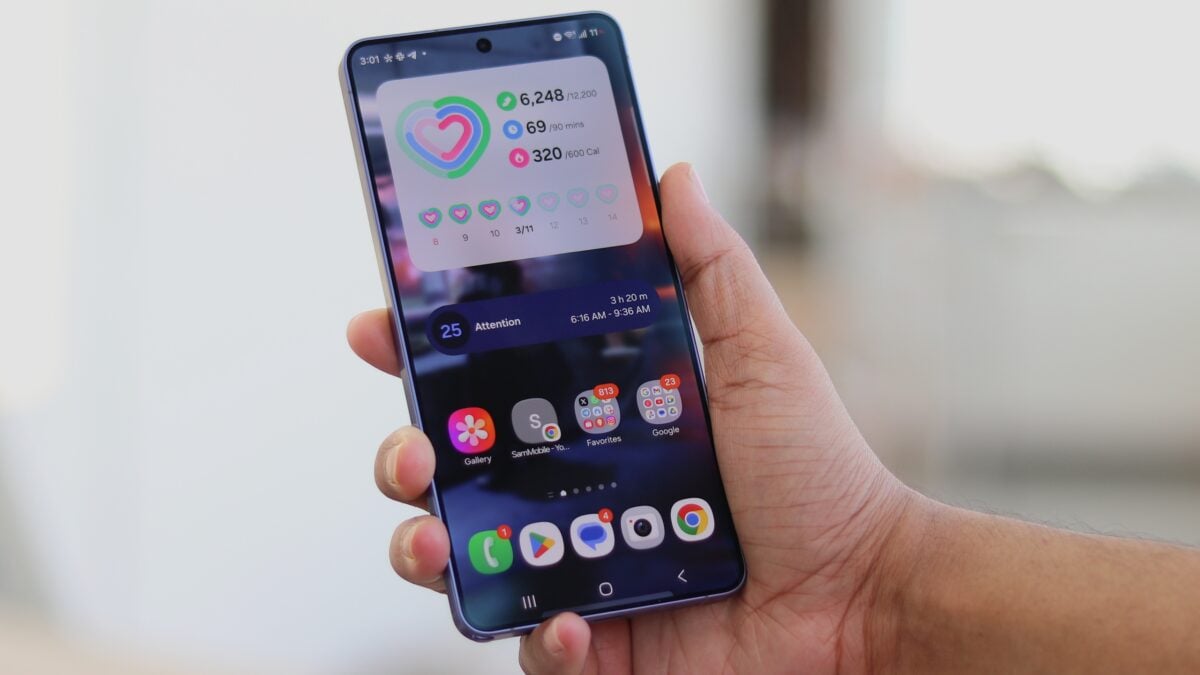
Speculation is mounting that Samsung will implement a massive upgrade to its Samsung storage technology for the Galaxy S27 lineup. This shift involves moving beyond the current UFS 4.0 standard found in the Galaxy S26 series to the much-anticipated UFS 5.0. This isn't just a minor iteration; it represents a fundamental change in how the device handles large files, system boot times, and complex application loading.
Tiered Upgrades: Not All Models May Benefit Equally
According to reports emerging from South Korea, the implementation of UFS 5.0 might be selective. Samsung often uses these high-end components to differentiate its premium models. It is highly likely that the top-tier Galaxy S27 Ultra will be the primary beneficiary of this technology. There is also significant buzz regarding the "Galaxy S27 Pro," a rumored fourth model that would offer Ultra-level specs without the integrated S Pen.
If these rumors hold true, the Galaxy S27 Pro and Ultra models would lead the charge with UFS 5.0, while the standard S27 and S27+ might retain UFS 4.0 or receive a slight bump to UFS 4.1. This strategy allows Samsung to manage the high costs of storage components while still offering a "headline" feature for its most expensive devices. Despite the speed upgrades, the base storage capacities are expected to remain consistent, starting at 128GB for the entry model and 256GB for the higher variants.
The Power of UFS 5.0 vs. UFS 4.0
The jump from UFS 4.0 to UFS 5.0 is visually impressive on paper and even more impactful in practice. While UFS 4.0 currently peaks at around 4.2GB/s, the new UFS 5.0 standard is designed to achieve sequential read and write speeds of up to 10.8GB/s. This doubling of bandwidth is crucial for the modern era of mobile computing, where on-device AI processing and 8K video editing demand massive data throughput.
What exactly is UFS 5.0?
UFS 5.0 is the latest standard for Universal Flash Storage, designed to provide faster data access and lower power consumption. It utilizes advanced controllers to double the bandwidth of the previous generation, making it ideal for high-performance smartphones.
Will the standard Galaxy S27 be slower?
The standard Galaxy S27 will still be incredibly fast with UFS 4.0 or 4.1. However, it may not reach the "insane" 10.8GB/s theoretical speeds reserved for the Ultra and Pro models equipped with UFS 5.0.
How does faster storage improve my daily use?
Faster storage translates to near-instant app launches, quicker photo gallery loading, faster installation of large games, and smoother performance when multitasking or using AI-heavy features.
Is there a new model coming to the S27 series?
Rumors suggest Samsung might introduce a "Galaxy S27 Pro." This model is expected to bridge the gap between the S27+ and the Ultra, offering high-end hardware like the UFS 5.0 chip without the added bulk or cost of the S Pen.
Will the base storage capacity increase?
Current leaks indicate that Samsung will stick to its existing storage tiers, with 128GB remaining the minimum for the base model and 256GB for the premium tiers.
🔎 As we move closer to the official unveiling of the next flagship generation, the prospect of UFS 5.0 stands out as a genuine game-changer. By doubling the storage bandwidth, Samsung isn't just making a faster phone; they are building a more capable platform for the future of mobile AI and high-fidelity content. Whether you are a power user or a casual photographer, the ripples of this speed boost will be felt across every interaction with the Galaxy S27.
Post a Comment