
Samsung Galaxy Z Fold 7 Price Hike: New Costs for High-Storage Models in the US
The premium foldable market is seeing a significant shift as the entry point for high-capacity storage becomes more taxing on the wallet. While the Galaxy Z Fold 7 has never been classified as an affordable device, recent pricing adjustments in the United States have made the upper-tier variants even more of a luxury investment for power users.
- ✨ The base 256GB model maintains its original $1,999 starting price.
- ✨ Higher storage tiers (512GB and 1TB) have received a $80 price increase.
- ✨ This US pricing trend follows a similar hike recently implemented in South Korea.
- ✨ Rising component costs are cited as the primary driver for these adjustments.
- ✨ The lack of a microSD slot makes these higher-priced storage options essential for many.
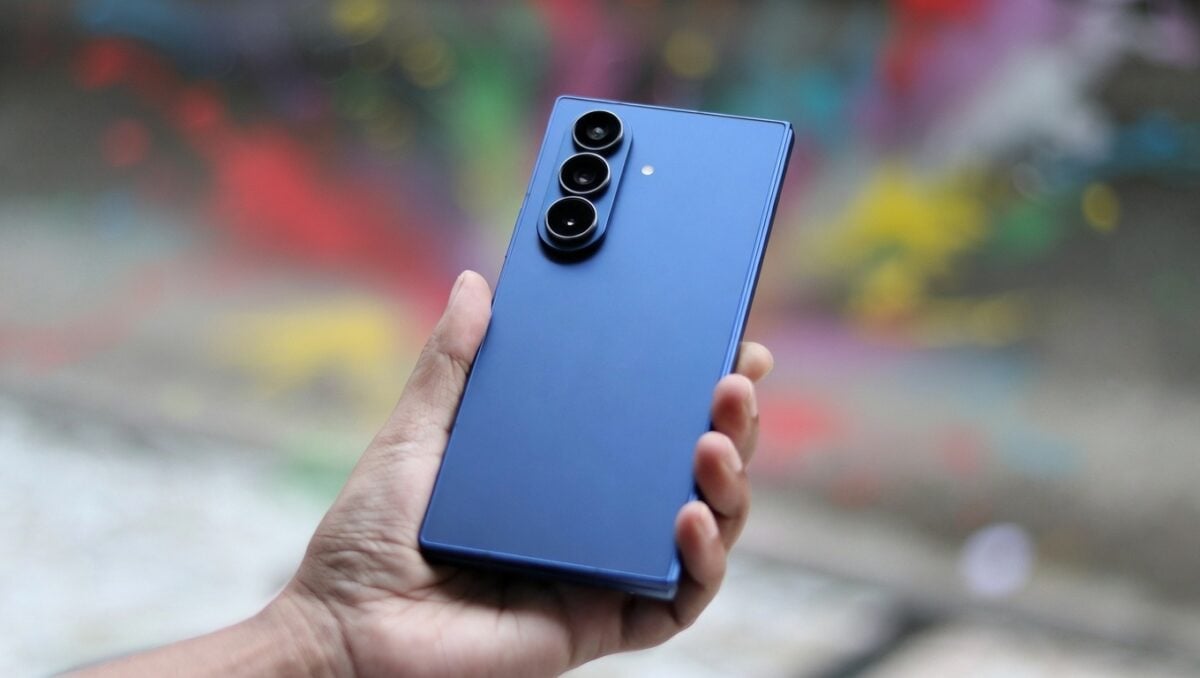
Samsung has officially updated its pricing structure for the Samsung Galaxy Z Fold 7 across the United States. While the base model with 256GB of internal storage remains at its launch price of $1,999, customers looking for more breathing room for their apps, photos, and videos will now have to pay a premium. The 512GB and 1TB variants are the specific targets of this latest cost adjustment.
A Closer Look at the New Pricing Structure
The 512GB version of the foldable phones flagship, which originally hit the market at $2,119, is now listed at $2,199. Meanwhile, the top-of-the-line 1TB variant has jumped from $2,419 to a staggering $2,499. Both models have seen a flat increase of $80, a move that mirrors pricing changes seen in Samsung’s home market of South Korea earlier this month.
For many consumers, this increase is particularly impactful because the Galaxy Z Fold 7 lacks a microSD card slot. Without the ability to expand storage via external cards, users are forced to decide their storage needs at the point of purchase. In an era of high-resolution video recording and massive mobile games, 256GB can fill up surprisingly fast, leaving many with no choice but to opt for the now more expensive tiers.
What This Means for the Galaxy Z Fold 8
Industry analysts suggest that this mid-cycle price hike is a concerning omen for the upcoming Galaxy Z Fold 8. Typically, prices for current-generation hardware remain stable or decrease as the successor approaches. Increasing prices for a device that is only a few months away from being replaced suggests that Samsung is struggling with rising component costs and supply chain pressures. If the company cannot maintain margins on the Fold 7, it is highly probable that the Galaxy Z Fold 8 will debut at an even higher starting price point.
Which Galaxy Z Fold 7 models are affected by the price increase?
The price increase specifically affects the 512GB and 1TB storage variants. The entry-level 256GB model remains at its original price of $1,999.
How much more expensive are the high-storage models now?
Both the 512GB and 1TB models have seen a price hike of exactly $80 compared to their original launch prices in the United States.
Why did Samsung increase the price of the Fold 7?
While Samsung hasn't released a detailed public statement, the hike is largely attributed to the rising costs of internal components and the global economic pressures affecting manufacturing margins.
Is there a way to expand the storage on the Galaxy Z Fold 7?
No, the Galaxy Z Fold 7 does not feature a microSD card slot. This means the internal storage you choose at purchase is the only storage you will have available on the device.
Does this price hike happen in other countries?
Yes, a similar price adjustment was recently observed in South Korea, indicating that Samsung is implementing these changes across several major global markets.
🔎 The decision to raise prices on existing hardware is a rare move in the tech world, usually signaling significant underlying cost pressures. For those currently eyeing the Galaxy Z Fold 7, this $80 jump might be the nudge needed to either settle for the base model or wait to see what the next generation brings. As component costs continue to fluctuate, the era of ultra-premium foldables appears to be getting even more expensive, challenging the boundaries of what consumers are willing to pay for cutting-edge mobile technology.
Post a Comment