
Samsung M80H Mini LED TV: A Complete Guide to Features, Specs, and Performance
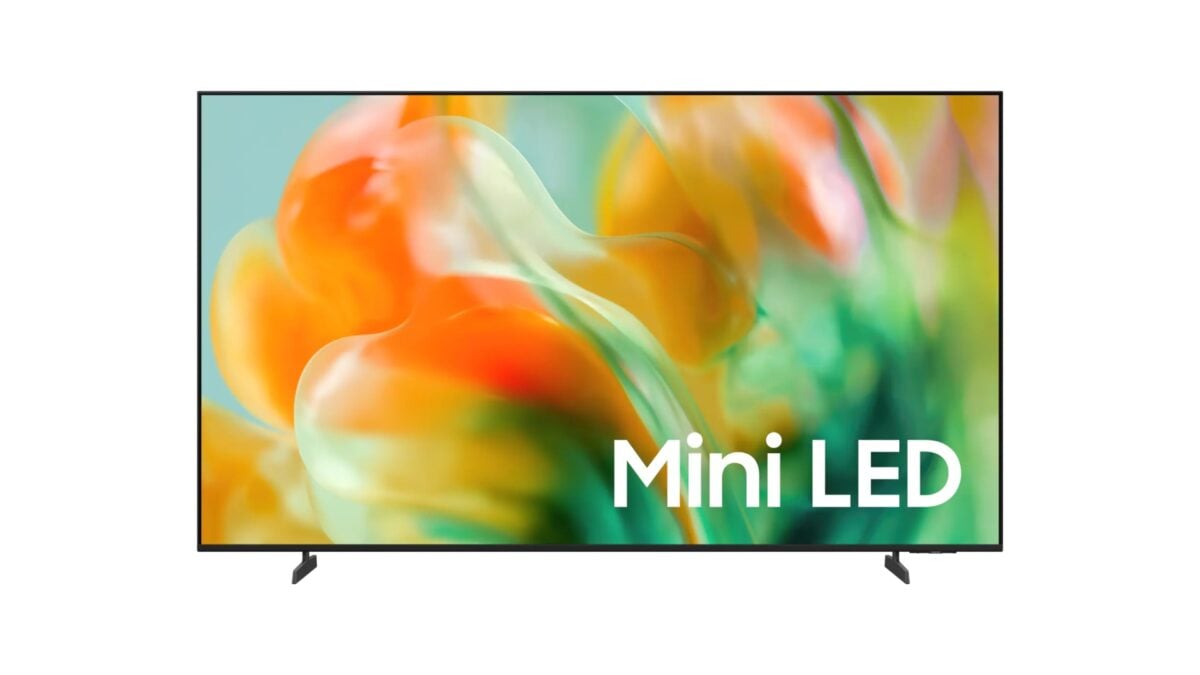
Samsung has officially expanded its television portfolio by introducing its first series of Mini LED TVs that function without a Quantum Dot (QD) layer. Unveiled during CES 2026, these models are strategically positioned to offer high-end backlighting technology at a more accessible price point compared to the premium Neo QLED lineup. The 2026 collection features two primary models, the M70H and the M80H, with the latter serving as the flagship of this specific category. Here is a comprehensive breakdown of everything the Samsung M80H brings to your living room.
Article At A Glance:
- ✨ Features a high-performance 4K VA LCD panel with a full-array Mini LED backlighting system.
- ✨ Delivers an elite gaming experience with a 144Hz variable refresh rate and HDMI 2.1 support.
- ✨ Powered by the NQ4 AI Gen 2 Processor, ensuring superior upscaling and AI-driven enhancements.
- ✨ Guaranteed longevity with up to seven years of official Tizen OS software updates.
Advanced Display and Visual Technology
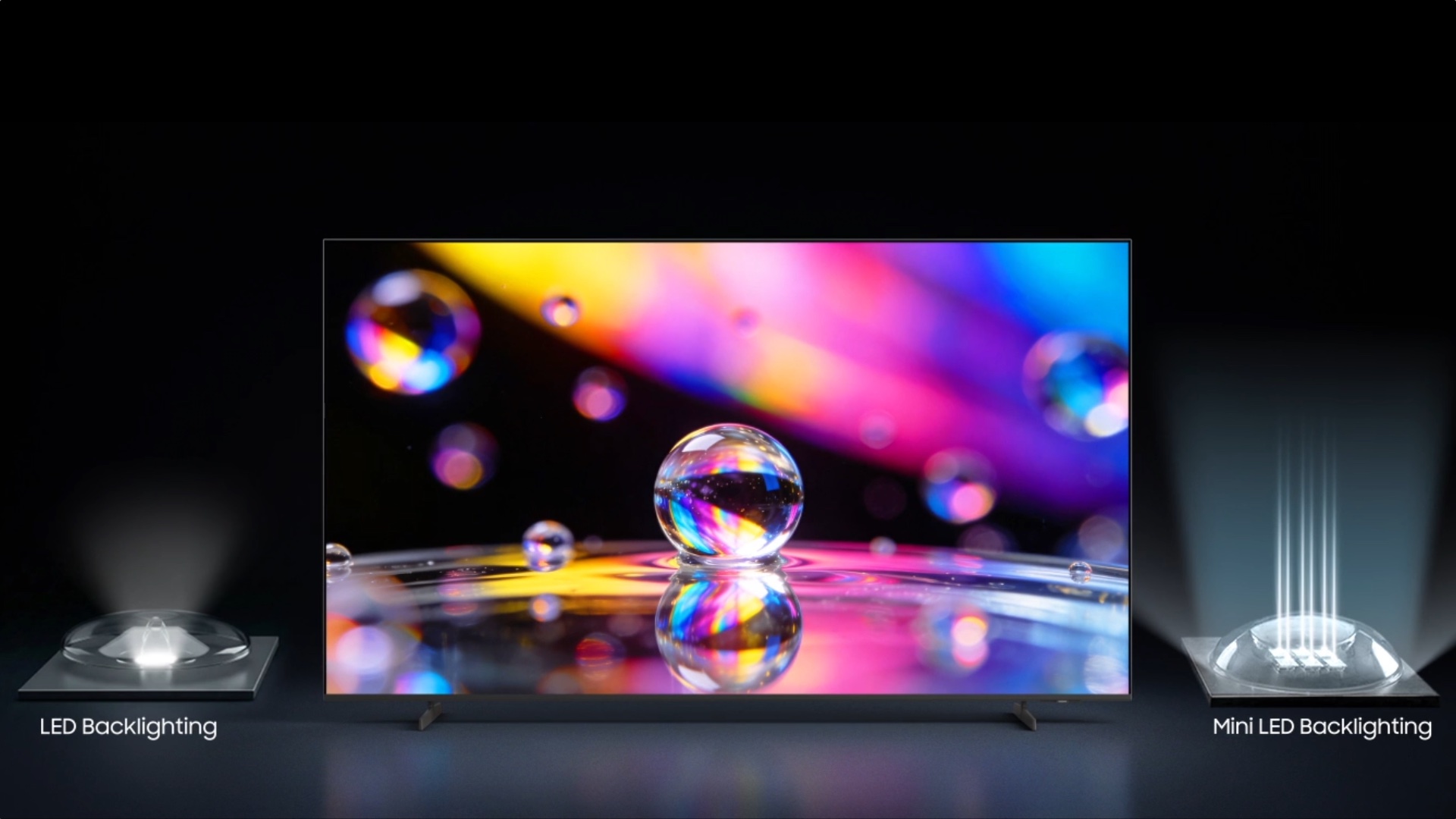
The Samsung M80H Samsung TV is available in a wide range of sizes, including 55-inch, 65-inch, 75-inch, and 85-inch variants. Each model utilizes a 4K VA LCD panel paired with a sophisticated full-array Mini LED backlighting system, providing better contrast and brightness control than traditional LED TVs. For gamers, the display is a powerhouse, featuring a 144Hz variable refresh rate (VRR), AMD FreeSync Premium, and Nvidia G-Sync compatibility. It also includes an Auto Low-Latency Mode (ALLM) to ensure responsive gameplay.
While the visual performance is high, it is important to note the HDR limitations. The M80H supports standard HDR10+, but it lacks the more advanced HDR10+ Adaptive, Gaming, and Advanced certifications found in Samsung’s higher-tier Neo QLED and OLED series. In terms of aesthetics, the TV features a "Metal Stream" design with sturdy metal feet and is compatible with the Full Motion Slim Wall Mount. Unlike premium models that include a SolarCell Remote, the M80H comes with a standard Bluetooth Simple Remote (TM2280A).
Integrated Audio Experience
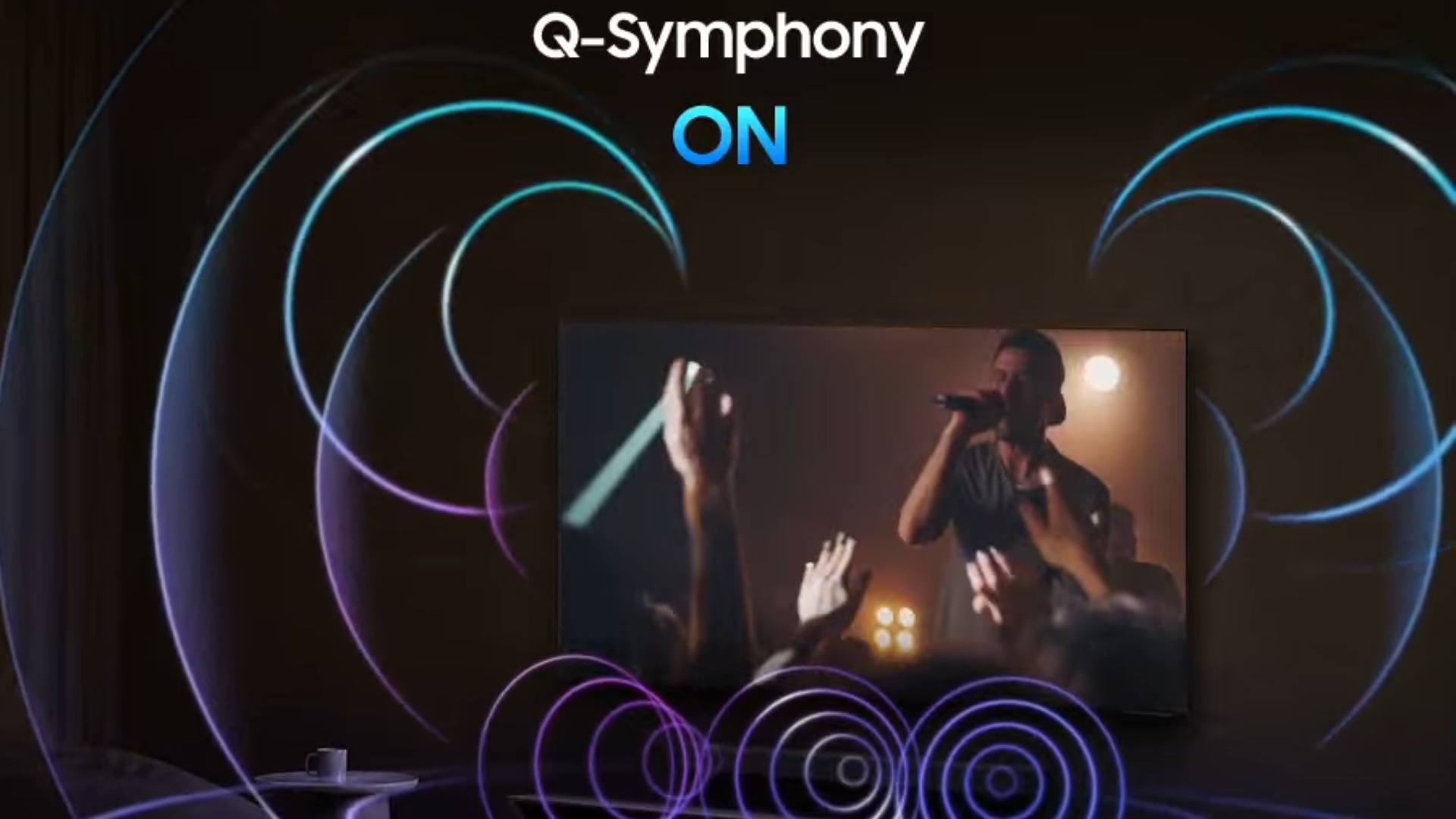
The audio setup on the M80H consists of a 2-channel 20W RMS speaker system. While it may not replace a dedicated home theater, it includes several smart features to enhance sound quality, such as Active Voice Amplifier, Adaptive Sound+, and Object Tracking Sound Lite. It also supports Q-Symphony, allowing the TV speakers to work in harmony with a compatible Samsung soundbar.
Potential buyers should be aware that the M80H does not support Dolby Atmos or Eclipsa Audio natively. Furthermore, Samsung has omitted the optical audio output port on this model, meaning users must rely on HDMI eARC for connecting to external sound systems.
Connectivity and Smart Home Integration
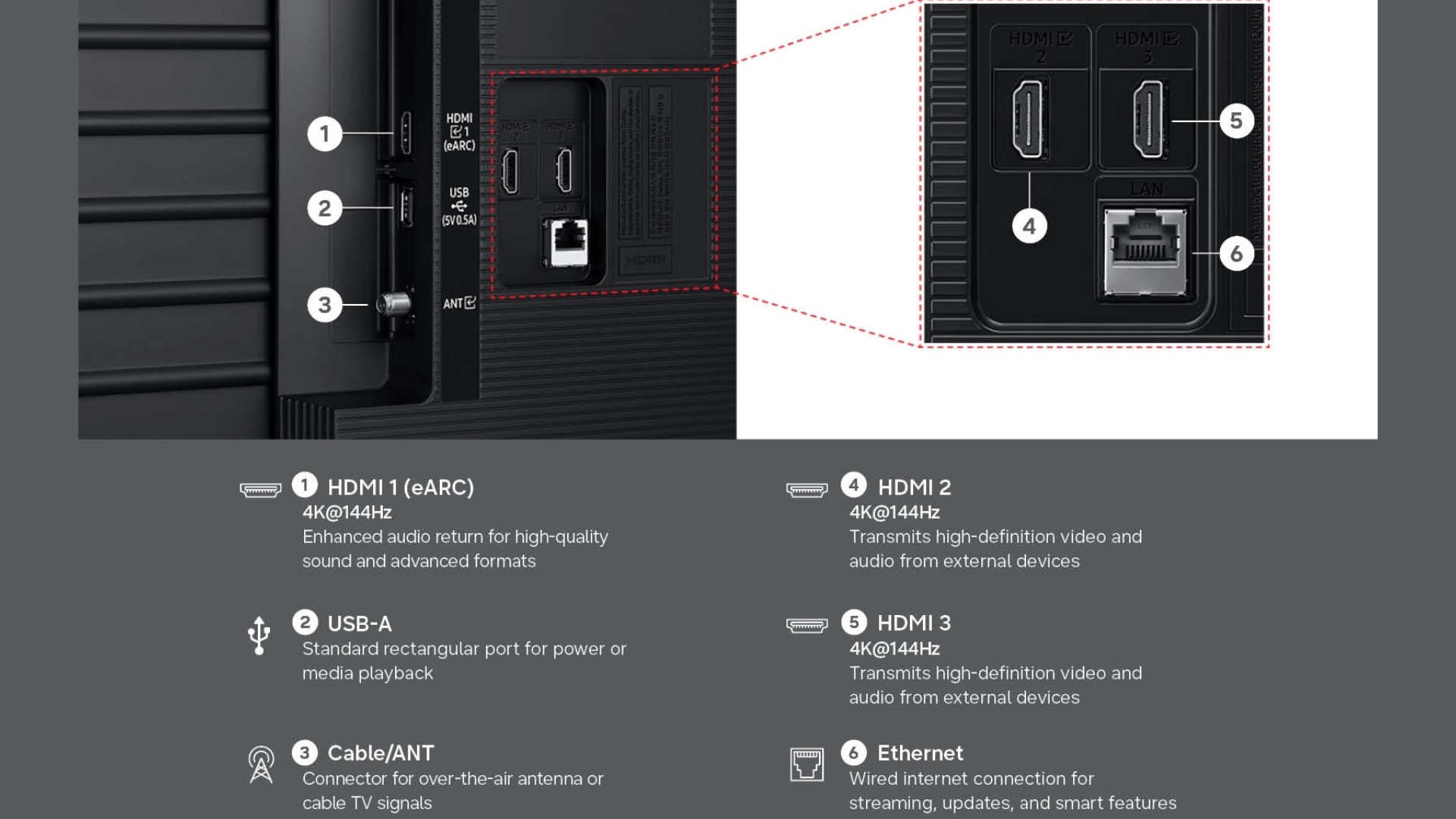
Connectivity is robust, featuring Wi-Fi 5, Bluetooth 5.3, AirPlay 2, and Google Cast support. The Mini LED TV is equipped with three HDMI 2.1 ports capable of handling 4K at 144Hz, making it ideal for current-generation consoles and PC gaming. Other physical ports include an Ethernet jack, two USB Type-A ports, and a standard RF port for cable or over-the-air signals.
The M80H functions as a hub for your smart home via SmartThings and Google Home. While it has a built-in SmartThings Hub, controlling Matter or Zigbee devices requires an additional USB dongle. The TV is also compatible with the SlimFit Cam for video calls and fitness tracking.
AI-Powered Software and Gaming Hub
Under the hood, the NQ4 AI Gen 2 Processor drives the One UI Tizen software, which is based on the Tizen 10 operating system. Samsung has committed to providing seven years of software updates for this model, ensuring it remains secure and feature-rich for nearly a decade. Users have access to the Art Store, Samsung Health, Samsung TV Plus, and the innovative Gaming Hub.
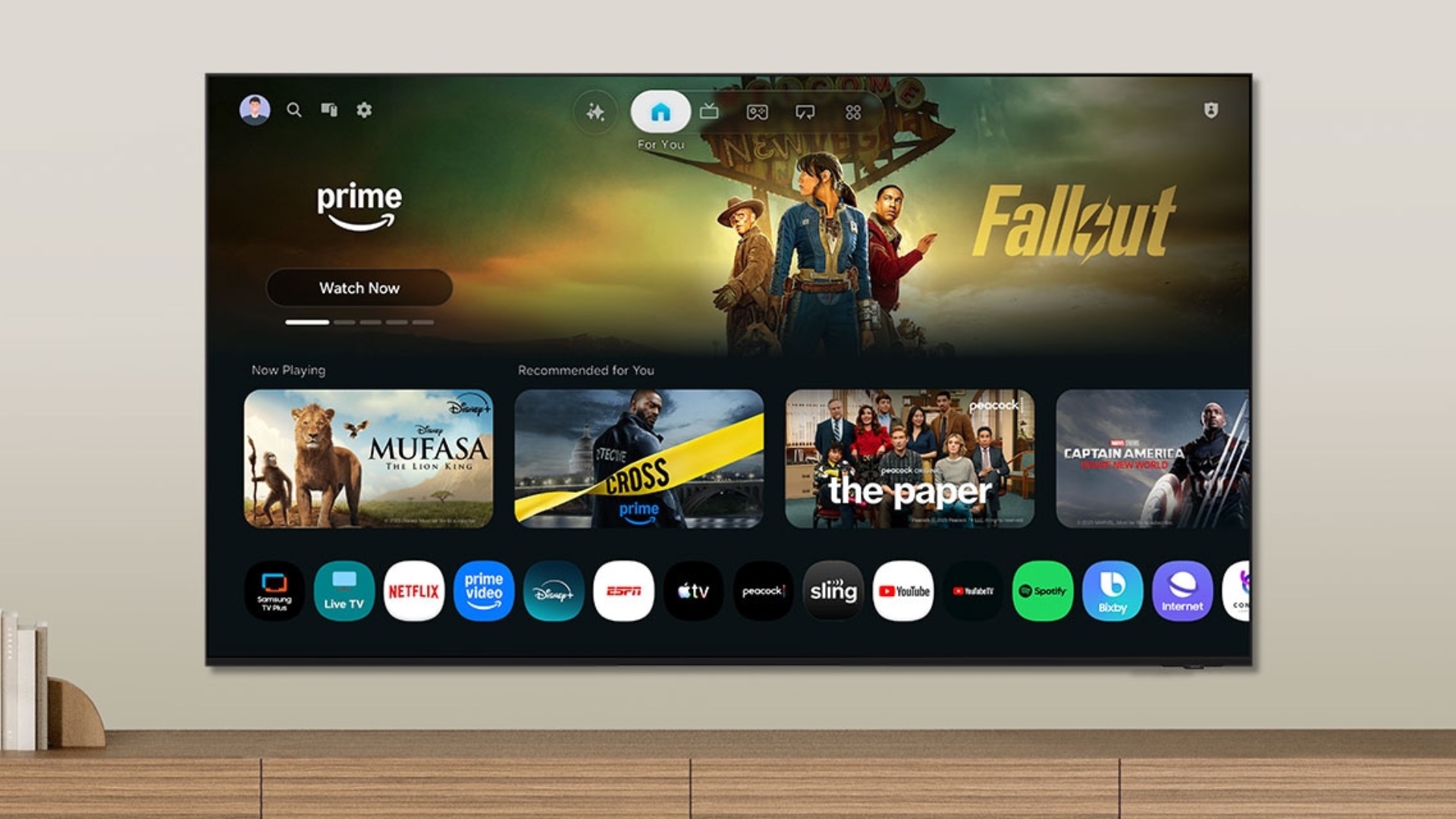
The AI capabilities of the processor enable features like 4K AI Upscaling, Real Depth Enhancer, and Auto HDR Remastering. For gamers, the Gaming Hub allows for cloud streaming through Xbox Cloud, Amazon Luna, and Nvidia GeForce Now, complemented by tools like the AI Gaming Optimizer and Mini Map Zoom.
How does the M80H differ from Samsung’s Neo QLED TVs?
The primary difference is the lack of a Quantum Dot (QD) layer. While the M80H uses the same Mini LED backlighting technology for excellent contrast, it does not have the QD film used for the enhanced color volume and vibrancy found in the Neo QLED series.
Is the Samsung M80H a good choice for competitive gaming?
Yes, it is highly optimized for gaming. With three HDMI 2.1 ports supporting 4K at 144Hz, VRR, and compatibility with both G-Sync and FreeSync, it provides a smooth, tear-free experience for both console and PC gamers.
How long will Samsung support the M80H with software updates?
Samsung has announced a generous support policy for the M80H, promising up to seven years of Tizen OS updates from the date of its launch, ensuring the TV stays compatible with new apps and features.
Can I connect my older soundbar via an optical cable?
Unfortunately, the M80H does not include an optical audio output port. To connect a soundbar or external speakers, you must use one of the HDMI ports via the eARC/ARC protocol.
🔎 The Samsung M80H represents a significant shift in the company's strategy, bringing the precision of Mini LED backlighting to a broader audience by omitting the expensive Quantum Dot layer. While it makes some compromises in audio ports and HDR certifications, its powerful AI processor, extensive gaming features, and long-term software commitment make it a formidable contender in the mid-to-high-end TV market. Whether you are a movie enthusiast or a hardcore gamer, the M80H offers a modern, future-proof viewing experience that balances performance with value.
Post a Comment