
Samsung Mobile Profits Under Threat: Will Rising Component Costs Lead to Q2 Losses?
Samsung Electronics has recently shared earnings guidance that paints a fascinating picture of its financial landscape for 2026. While the company as a whole is seeing a massive surge in profitability—potentially earning more in the first three months of this year than in all of 2025—the story within its mobile division is far more complex. Driven by a semiconductor boom, the tech giant is riding high on memory chip demand, yet its iconic smartphone business is facing a tightening squeeze that has analysts worried about the months ahead.
- ✨ Samsung’s overall profit in Q1 2026 is projected to exceed its total profit from the entire previous year.
- ✨ The mobile division exceeded expectations in the first quarter, thanks to strategic pricing of the Galaxy S26.
- ✨ Rising DRAM and component costs are creating a significant financial burden for the smartphone sector.
- ✨ Analysts warn that the mobile division could potentially report a loss in the second quarter of 2026.
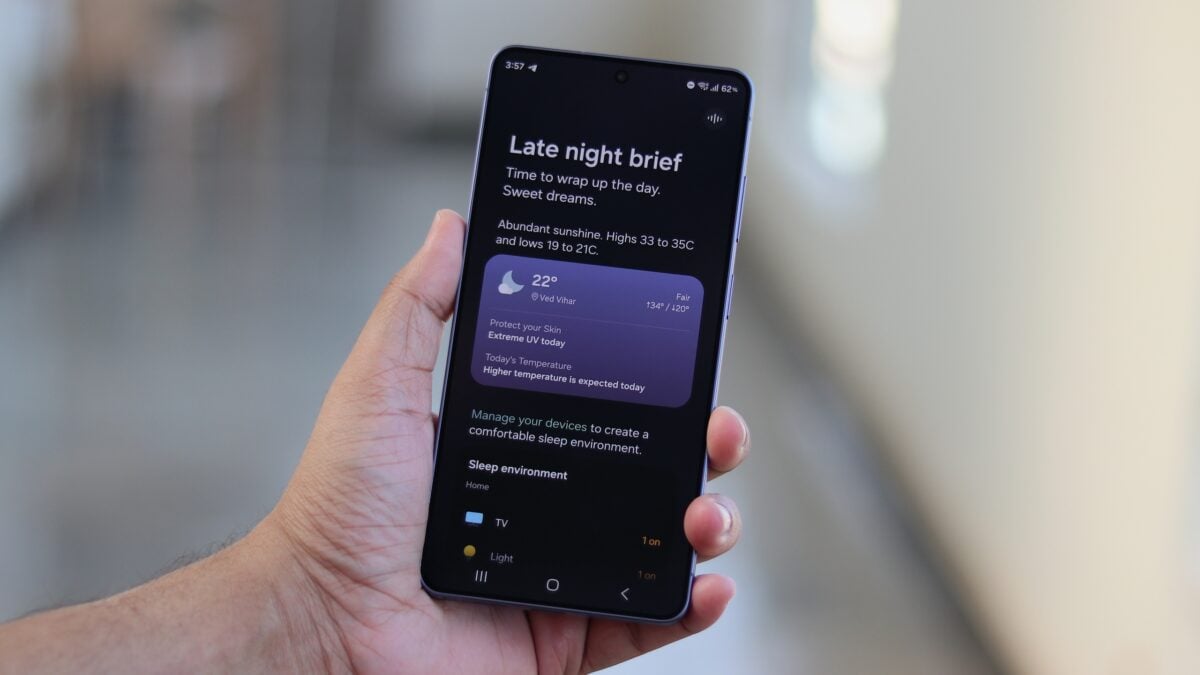
A Difficult Balancing Act for Samsung Mobile
The Samsung Electronics mobile division is currently navigating a treacherous path between maintaining market share and protecting profit margins. In the first quarter of this year, the division is expected to report profits between $2 billion and $2.7 billion. This is a significant jump from the initial conservative estimates of $1.35 billion, suggesting that the company’s early-year strategy was more effective than anticipated.
A primary factor in this Q1 success was the launch of the Galaxy S26 series. By adjusting the retail prices and utilizing existing memory inventory, Samsung was able to insulate itself from the immediate impact of rising DRAM prices. However, this "inventory shield" is temporary, and the rising costs of raw materials are beginning to catch up with the production line.
Industry experts are now looking toward Q2 2026 with a degree of skepticism. As DRAM prices continue their upward trajectory every quarter, the cost of manufacturing high-end smartphones is ballooning. There is a very real concern that the mobile division could slip into the red if these costs aren't offset by even higher sales or further price hikes—the latter of which could alienate consumers.
Interestingly, Samsung's own semiconductor wing is the primary driver of these rising costs. While the company as a whole benefits from the "memory super cycle," the mobile division does not receive preferential internal pricing. This internal market dynamic has forced the mobile team to look elsewhere to diversify its supply chain, including hedging its exposure through Micron to maintain a competitive edge.
Why is Samsung's mobile division facing potential losses despite high sales?
The primary reason is the skyrocketing cost of components, particularly DRAM (memory) chips. Even though sales of flagship devices like the Galaxy S26 are strong, the shrinking margin between production cost and retail price is making it difficult to maintain profitability.
Did the Galaxy S26 price increase help the company?
Yes, the price adjustments for the Galaxy S26 series helped the mobile division achieve a higher-than-expected profit in the first quarter. However, there is a limit to how much Samsung can raise prices before demand from consumers begins to slow down.
How is Samsung trying to mitigate these rising costs?
Samsung has been using its existing inventory of memory chips to delay the impact of price hikes. Additionally, the mobile division is diversifying its supply chain by working with other manufacturers like Micron to ensure they aren't entirely dependent on internal supply at market rates.
Will Samsung prioritize market share or profit margins?
Analysts suggest that Samsung is likely to prioritize market share. This means they may choose to absorb some of the rising costs and take a hit on their profit margins rather than raising device prices so high that they lose customers to competitors.
🔎 In conclusion, while Samsung Electronics is enjoying a record-breaking year thanks to its semiconductor business, the mobile division is entering a period of significant pressure. The coming months will reveal whether the company can innovate its way out of this margin squeeze or if the rising cost of technology will lead to a rare financial dip for the world's leading smartphone maker.
Post a Comment