
Samsung Price Hike 2026: Why Your Next Galaxy Might Cost More in the US
Recent reports indicate that Samsung has quietly adjusted its pricing strategy in the United States, leading to a noticeable increase in the cost of several key devices. It first came to light that the **Galaxy Z Fold 7** was becoming more expensive for consumers. While the entry-level price remained steady at $1,999, the higher storage tiers—specifically the 512GB and 1TB models—saw a price jump of $80. Unfortunately for fans of the brand, this trend is not limited to just one foldable flagship.
- ✨ Samsung has implemented quiet price increases across various smartphone and tablet lineups in the US.
- ✨ The price hikes range from $40 for mid-range phones to as much as $180 for high-end tablets.
- ✨ Rising component costs are believed to be the primary reason for these margin-protecting adjustments.
- ✨ Consumers can still find competitive pricing and deals directly through Samsung's official online store.
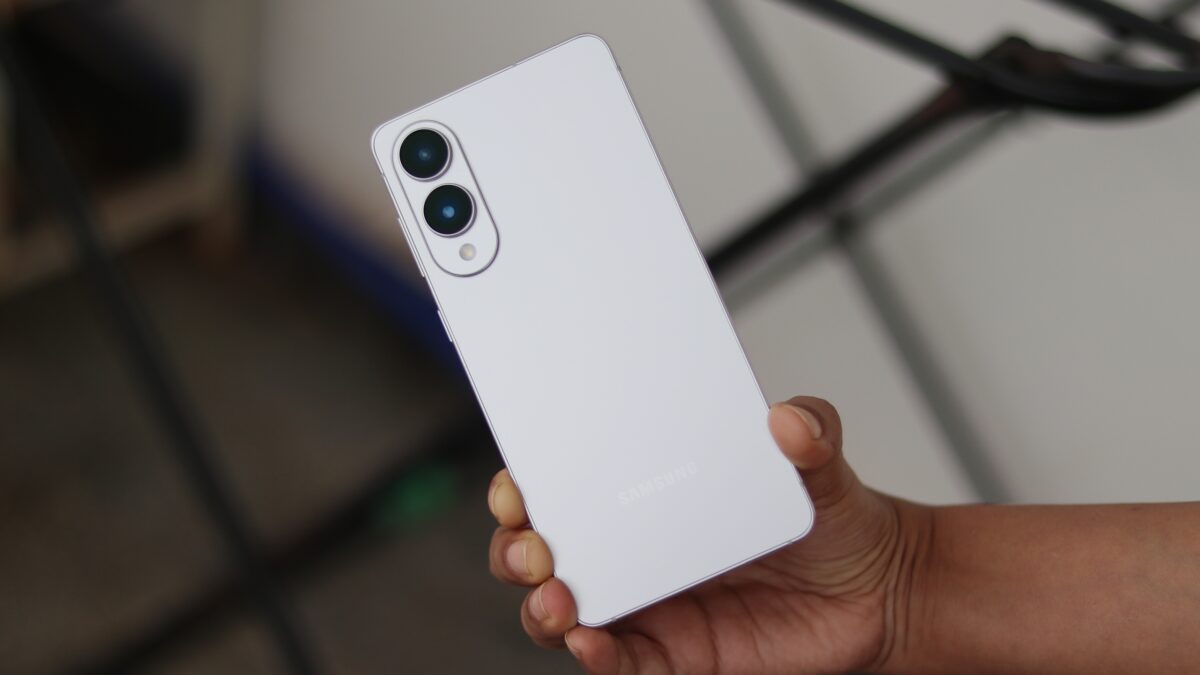
The price adjustments have rippled through various categories, affecting both the latest releases and some older models that were previously considered more budget-friendly. This shift suggests a broader change in Samsung's market positioning as it grapples with global economic pressures.
Analyzing the Price Increases Across Models
According to detailed market analysis, the 512GB variant of the **Galaxy Z Flip 7** has also been hit with an $80 increase, bringing its new price tag to $1,300. Mid-range enthusiasts aren't safe either; the 256GB **Galaxy S25 FE** now costs $750, a $40 jump from its previous pricing. Furthermore, the 512GB **Galaxy S25 Edge** has mirrored the foldable increases with an $80 hike, now retailing for $1,300.
The tablet segment has seen even more dramatic shifts. The latest **Galaxy Tab S11** series has seen base prices climb by up to $140 across various storage configurations. The premium 256GB Galaxy Tab S11 Ultra is now positioned at $1,300 after a $100 increase, while the 512GB model has reached a staggering $1,500 following a $180 hike.
Even legacy and budget-friendly tiers are feeling the burn. The Galaxy Tab S10 FE and FE+ models have seen increases of up to $100. The Tab S10 Lite is now roughly $70 more expensive, and the Tab S10+ has seen hikes as high as $180. Even the entry-level Galaxy Tab A11 and A11+ (both Wi-Fi and 5G models) now cost up to $70 more than their original launch prices.
The Driving Force Behind the Cost Adjustments
While Samsung has not officially released a statement explaining these specific price changes, industry experts point toward the escalating costs of raw materials and advanced components. These rising expenses put significant pressure on manufacturer margins, forcing companies to pass some of the costs on to the end consumer. Given the current global supply chain climate, it appears unlikely that these prices will decrease in the near future.
For those still looking to upgrade their tech without breaking the bank, there is a silver lining. Purchasing directly through the official Samsung website remains the most effective way to mitigate these increases. Samsung.com frequently offers exclusive trade-in deals, promotional bundles, and instant discounts that are often not replicated at third-party retailers.
Which Samsung smartphones have recently seen price increases in the US?
Several models have been affected, including the Galaxy Z Fold 7 (512GB and 1TB models), the 512GB Galaxy Z Flip 7, the Galaxy S25 FE, and the Galaxy S25 Edge. The increases range from $40 to $80 depending on the specific model and storage tier.
Are Samsung tablets also becoming more expensive?
Yes, the price hikes are quite significant in the tablet category. The Galaxy Tab S11 series has seen increases up to $180. Even older and more affordable models like the Galaxy Tab S10 FE and the Galaxy Tab A11 series have seen price jumps of up to $100 and $70, respectively.
Why is Samsung raising prices on existing devices?
Although Samsung hasn't provided an official reason, the industry consensus is that rising component and manufacturing costs are pressuring the company's profit margins. Quietly raising prices helps the company maintain profitability amidst these economic challenges.
Is there any way to avoid paying these higher prices?
The best strategy is to shop directly through Samsung's official website. They frequently offer the best trade-in values, educational discounts, and promotional offers that can significantly lower the effective cost of the device compared to the new MSRP.
🔎 In summary, while the quiet price hikes across Samsung's mobile and tablet portfolio in the US may be disappointing for consumers, they reflect the broader reality of increasing production costs in the tech industry. By staying informed about which models have changed and utilizing official manufacturer channels for discounts, buyers can still find ways to secure their favorite Galaxy devices at a more reasonable price point. As we move further into 2026, it will be interesting to see if other manufacturers follow suit or if these prices eventually stabilize.
Post a Comment