
Samsung's Next-Gen Galaxy Glasses: Advanced AR Features and 2027 Release Roadmap
The landscape of wearable technology is shifting rapidly, and Samsung is positioning itself at the forefront of the spatial computing revolution. While the tech world anticipates the initial entry of Samsung’s smart eyewear, recent leaks suggest that the company is already looking far beyond its first-generation release. New evidence indicates that a more sophisticated version of the Galaxy Glasses is in development, potentially bringing high-end augmented reality (AR) features to the mainstream market within the next two years.
- ✨ Samsung is reportedly developing a high-end version of the Galaxy Glasses featuring a built-in AR display.
- ✨ A new device with model number SM-O500 and the codename "Haean" has been discovered in internal firmware.
- ✨ The advanced glasses are expected to launch in 2027 to compete with Meta
- ✨ These wearables will utilize the Android XR platform, a collaborative effort between Samsung and Google.
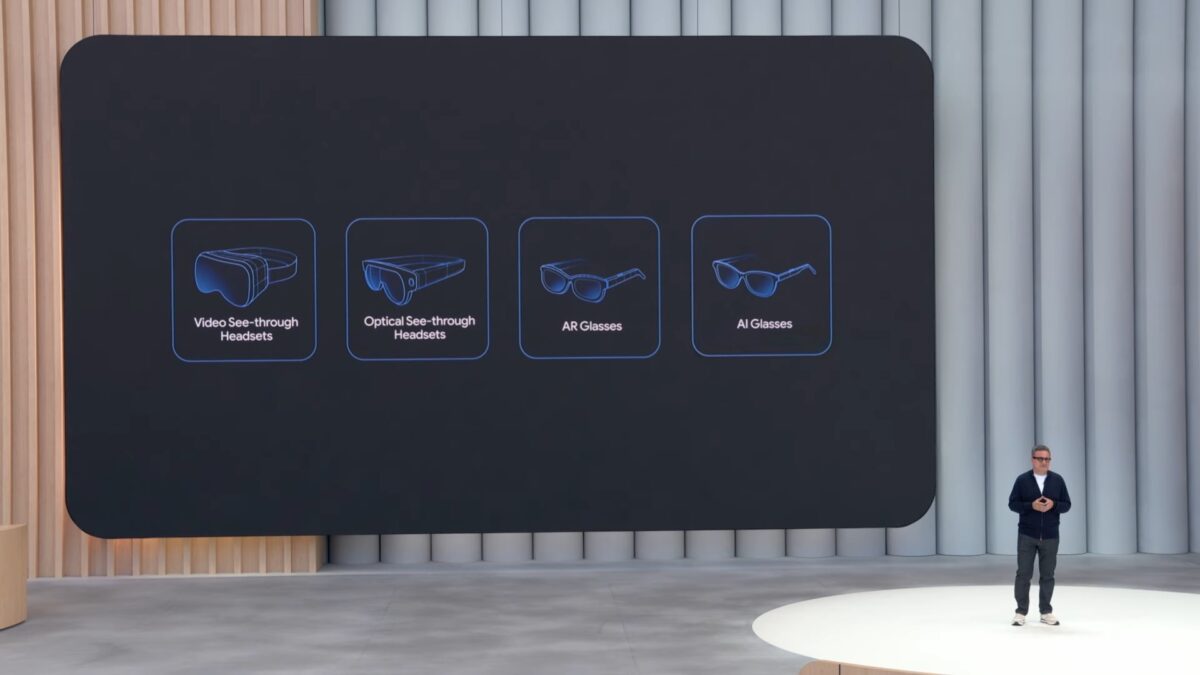
Samsung confirmed its intention to launch AI-powered smart glasses earlier this year, signaling a major expansion of its ecosystem. Initial reports suggest that the first iteration of these glasses will focus on audio and AI integration, likely omitting a built-in display to maintain a slim, traditional eyewear profile. These first-generation models, identified by model numbers SM-O200P and SM-O200J, are expected to function similarly to the popular Meta Ray-Ban glasses, utilizing cameras, microphones, and speakers to provide a hands-free AI experience.
The Emergence of SM-O500: A Leap into True Augmented Reality
The narrative has taken an exciting turn with the discovery of a new model number, SM-O500, found within One UI 9 firmware files. Carrying the codename “Haean,” this device suggests a significant hardware upgrade over the SM-O200 series. Industry analysts believe this model represents the second generation of Galaxy Glasses, which will likely integrate a transparent AR display directly into the lenses.
The distinction in model numbering is telling. For instance, Samsung’s high-end mixed-reality headset is known as the SM-I610. The SM-O500 designation keeps it within the "O" category for glasses but suggests a tier of performance far above the audio-only versions. This device is expected to leverage the Android XR platform, benefiting from Google’s specialized software environment for extended reality.
Samsung’s strategy appears to involve a multi-tiered approach to wearables. By launching a display-less version first, they can capture the lifestyle market before introducing the more complex AR-enabled SM-O500 in 2027. This timeline aligns with rumors of Meta also preparing their own display-equipped glasses, setting the stage for a massive technological showdown in the near future
Will the first Samsung Galaxy Glasses have a screen?
The initial generation of Galaxy Glasses (SM-O200) is expected to be a display-less device. It will focus on AI interactions, audio, and photography, mirroring the form factor of standard eyeglasses rather than a bulky headset.
What is the significance of the SM-O500 model number?
The SM-O500 represents a higher-tier device in Samsung's wearable lineup. It is widely believed to be the version that will introduce a built-in AR display, allowing users to see digital overlays in their real-world environment.
When can we expect the AR-enabled Galaxy Glasses to launch?
Current roadmap leaks suggest that while the basic AI glasses may arrive sooner, the advanced SM-O500 model with a built-in display is targeted for a 2027 release.
How does Android XR fit into Samsung's plans?
Android XR is the operating system developed by Google specifically for mixed and augmented reality. Samsung is the primary hardware partner for this platform, ensuring that Galaxy Glasses will have a robust ecosystem of apps and services.
🔎 As Samsung continues to refine its vision for the future, the transition from simple AI assistants to full AR immersion seems inevitable. The discovery of the SM-O500 "Haean" proves that the company is committed to a long-term roadmap that will eventually replace or supplement the smartphone with intelligent, wearable displays. Whether it’s through the upcoming Android XR headset or the sleek Galaxy Glasses of 2027, the way we interact with the digital world is about to change forever.
Post a Comment