
Why Samsung Missed the Top Spot in the Q1 2026 Global Smartphone Market
The battle for global smartphone supremacy continues to intensify as we enter a new era of mobile technology. Despite high expectations and a narrowing lead, Samsung was unable to reclaim its throne from Apple during the first quarter of 2026. While the competition in the smartphone market remains fierce, several strategic factors and timing issues prevented the South Korean tech giant from reaching the number one position this time around.
- ✨ Apple maintains its lead with a 21% global market share.
- ✨ Samsung follows closely in second place with a 20% share.
- ✨ A 6% year-over-year decline was observed in Samsung's shipments.
- ✨ Delayed launches and entry-level competition are cited as key causes.
- ✨ Chinese manufacturers Mi, Oppo, and Vivo round out the top five.
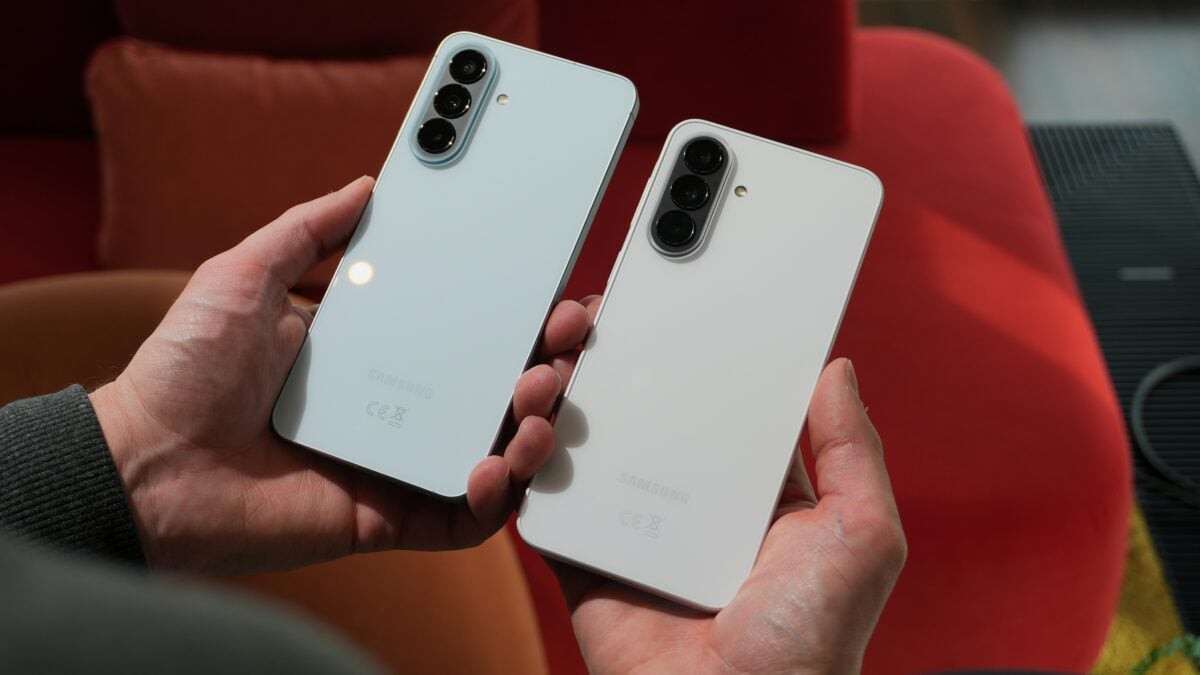
Analyzing the Global Shipment Trends for 2026
Following a period of dominance from early 2025 through the third quarter, Samsung hit a roadblock when it lost the top spot to Apple in the final quarter of 2025. Many analysts expected a strong rebound in the first quarter of 2026, but the latest data suggests that the recovery is taking longer than anticipated. The shift in market dynamics highlights the volatility of consumer preferences and the importance of product launch timing.
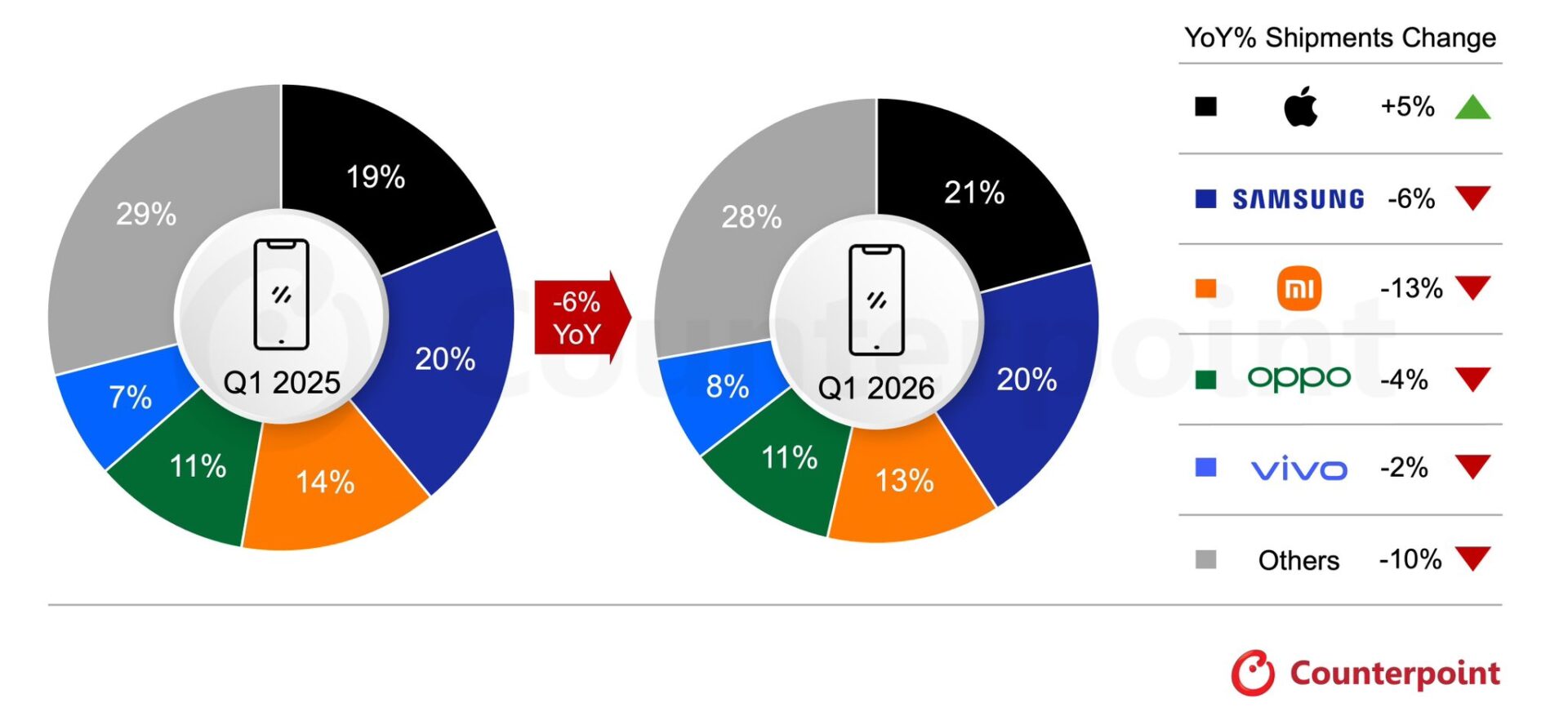
According to a recent report from Counterpoint Research, the gap between the two leading manufacturers has become razor-thin. Apple secured the lead with a 21% share of the global market, while Samsung followed immediately behind with 20%. This 1% difference represents a significant narrowing of the gap compared to previous quarters, yet it remains a symbolic hurdle for Samsung.
Why Samsung's Shipment Volume Declined
Despite the close race, Samsung experienced a 6% decline in shipments when compared to the same quarter in the previous year. Researchers attribute this downturn to two main factors. First, the delayed launch of the highly anticipated Galaxy S26 series meant that the brand missed out on the initial Q1 sales surge that usually accompanies its flagship releases. Second, Samsung faced stiff competition and weaker-than-expected performance in the entry-level smartphone segment, where price-sensitive consumers are increasingly looking at alternatives.
The rest of the top five list remains dominated by Chinese brands. Mi (Xiaomi) held steady in third place with a 13% market share, followed by Oppo at 11% and Vivo at 8%. While these brands continue to hold significant portions of the market, the primary battle remains the duopoly at the top. With the Galaxy S26 series now beginning to set new sales records, industry experts believe Samsung's performance could see a major boost in the second quarter of 2026.
However, there is a word of caution for the future. Samsung has recently implemented price increases across several of its mobile tiers. If these price hikes deter potential buyers, the company might find it difficult to maintain its momentum in the shipment volume race, even with superior hardware. The balance between premium pricing and market share will be the defining challenge for Samsung throughout the remainder of the year.
Which company currently leads the global smartphone market?
As of the first quarter of 2026, Apple is the market leader with a 21% share of global shipments, narrowly beating Samsung's 20% share.
What caused the decline in Samsung's smartphone shipments?
The 6% year-over-year decline was primarily caused by the delayed release of the flagship Galaxy S26 series and a lack of strong performance in the budget or entry-level phone categories.
Will Samsung regain the top spot in the next quarter?
It is highly possible. Analysts suggest that because the Galaxy S26 series is already breaking sales records, Samsung's market share is expected to improve significantly during the second quarter of 2026.
Who are the other major players in the smartphone industry?
Behind Apple and Samsung, the top five manufacturers include Mi (13%), Oppo (11%), and Vivo (8%), showcasing the continued strength of Chinese brands in the global market.
How might price increases affect Samsung's future performance?
While higher prices can increase revenue per unit, they may negatively impact the total number of shipments, especially in competitive markets where consumers have many alternative options.
🔎 In conclusion, while Samsung has temporarily fallen to second place, the narrow gap between it and Apple suggests that the crown is still within reach. The success of the Galaxy S26 series will be the deciding factor in whether Samsung can reclaim its position as the world's leading smartphone manufacturer. As the year progresses, the tech community will be watching closely to see if innovation and brand loyalty can overcome the hurdles of delayed launches and rising costs.
Post a Comment