
Android 17: The Future of Gemini AI, Smart Widgets, and Revolutionary Design
During the highly anticipated Android Show | I/O Edition 2026 keynote presentation, Google unveiled a series of groundbreaking features coming to Android 17. This upcoming version represents a massive shift towards advanced artificial intelligence, deeply integrated via Gemini Intelligence. Beyond AI, the update promises a refined UI design, smoother animations, and highly customizable widgets. Samsung Galaxy users have cause for excitement, as their devices will be among the first to experience the synergy between Android 17 and One UI 9.0.
- ✨ Gemini Intelligence: Proactive AI assistance across all Google services and apps.
- ✨ Multi-Step Automation: Complex tasks completed automatically with background processing.
- ✨ AI Widget Creation: Generate personalized dashboards using natural language descriptions.
- ✨ Enhanced UI: A modern aesthetic featuring blurred elements and advanced color customization.
- ✨ Seamless Switching: Improved data transfer tools for users moving from iPhone to Android.
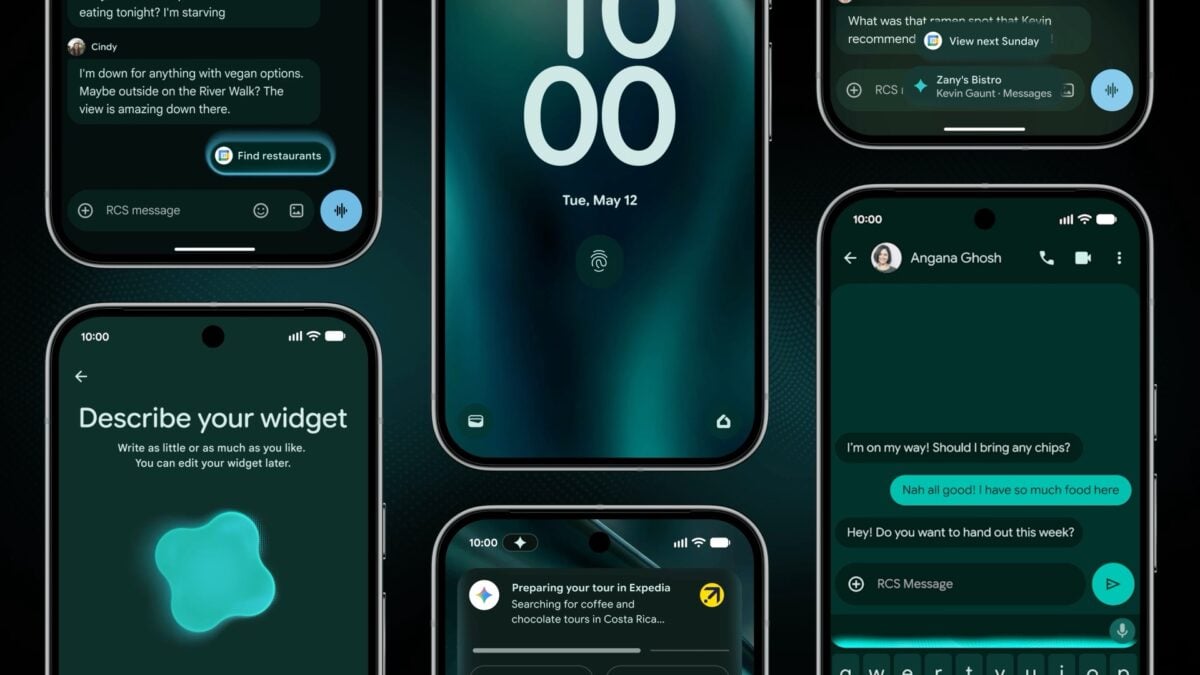
Let’s dive into the core innovations that define the Android 17 experience and how they will reshape the way we interact with our mobile devices.
Advanced AI Capabilities with Gemini Intelligence
Google has revealed that the stable version of Android 17 will center heavily on AI-powered experiences. Gemini Intelligence is the backbone of this update, merging data from your Google account across multiple platforms to provide proactive assistance. By analyzing context while prioritizing user privacy, Gemini aims to anticipate your needs before you even ask.
Revolutionary Multi-Step Automations
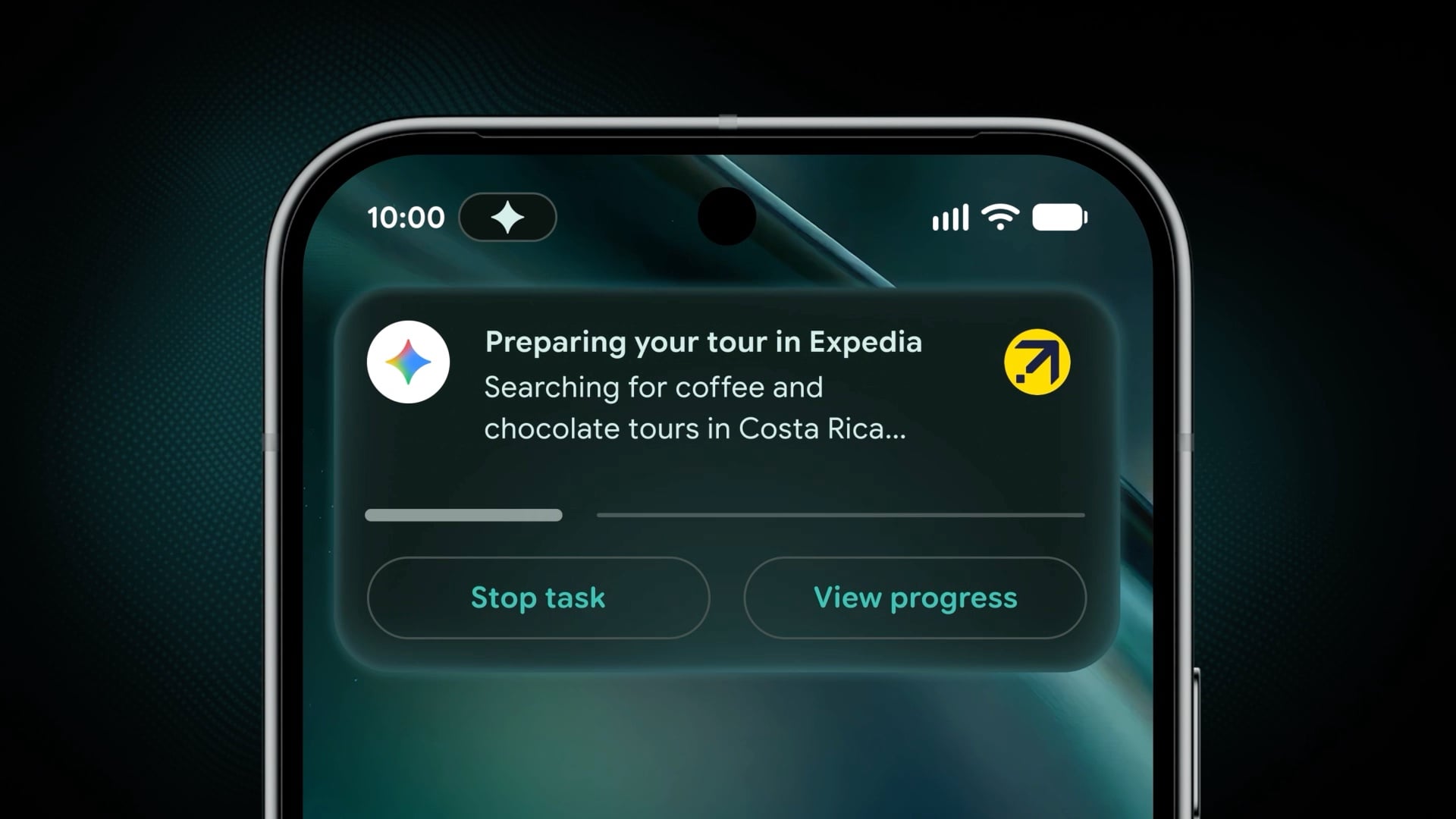
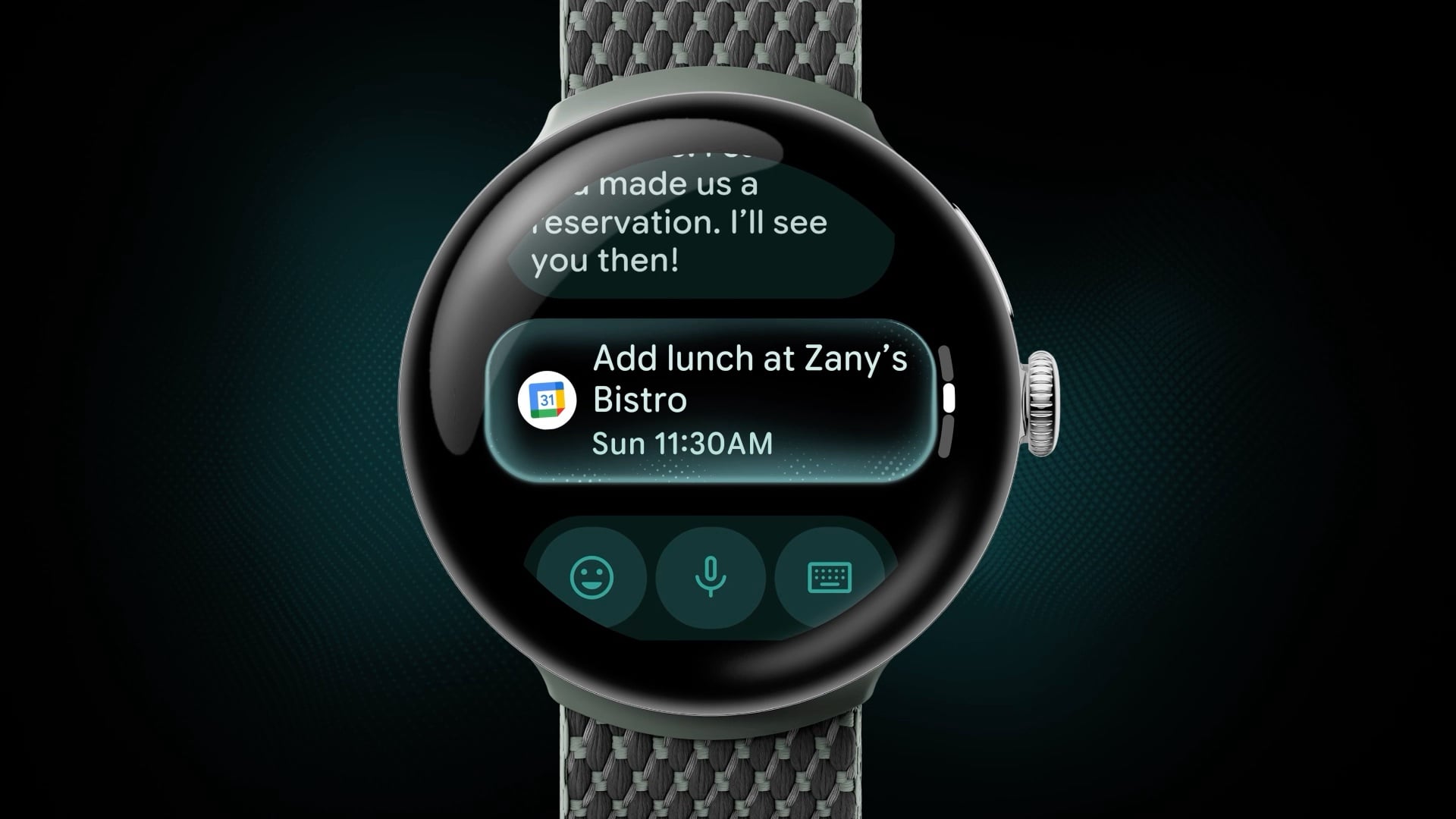
One of the standout features is Gemini's ability to handle complex, multi-step tasks. This system can pull information from your emails, calendar, and on-screen content to perform actions in the background. Whether it's booking concert tickets or organizing a syllabus into a study plan, the AI handles the heavy lifting but always waits for your final confirmation to ensure total control.
Google has spent months fine-tuning this feature on the Galaxy S26 and Pixel 10 series. The automation can now interact with popular third-party apps for food delivery and ride-sharing, ensuring a smooth and reliable user experience.
For tasks running in the background, users can monitor progress via Live Updates in the notification area, providing the flexibility to stop or modify a task at any moment.
Deep Gemini Integration in Google Chrome
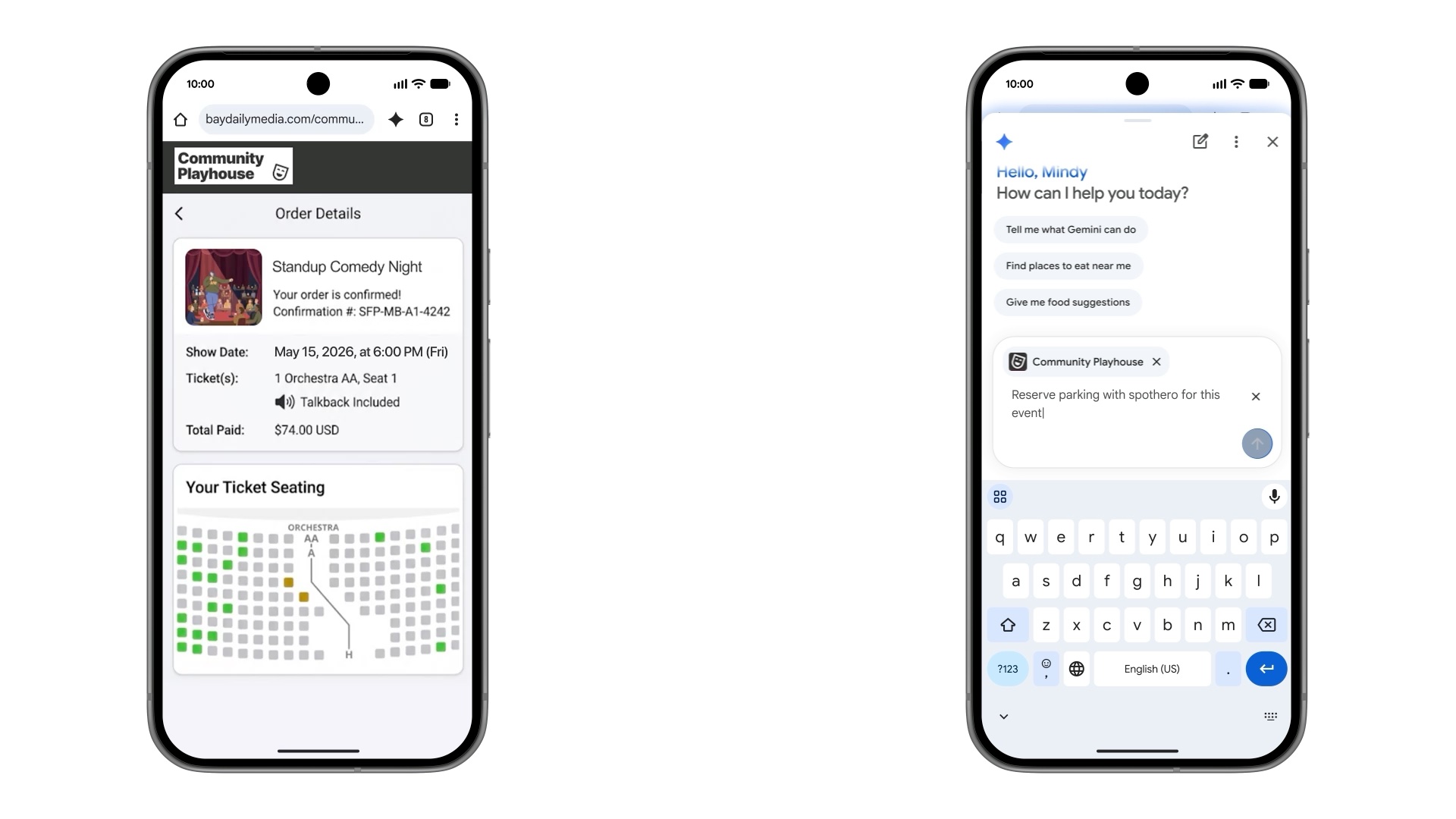
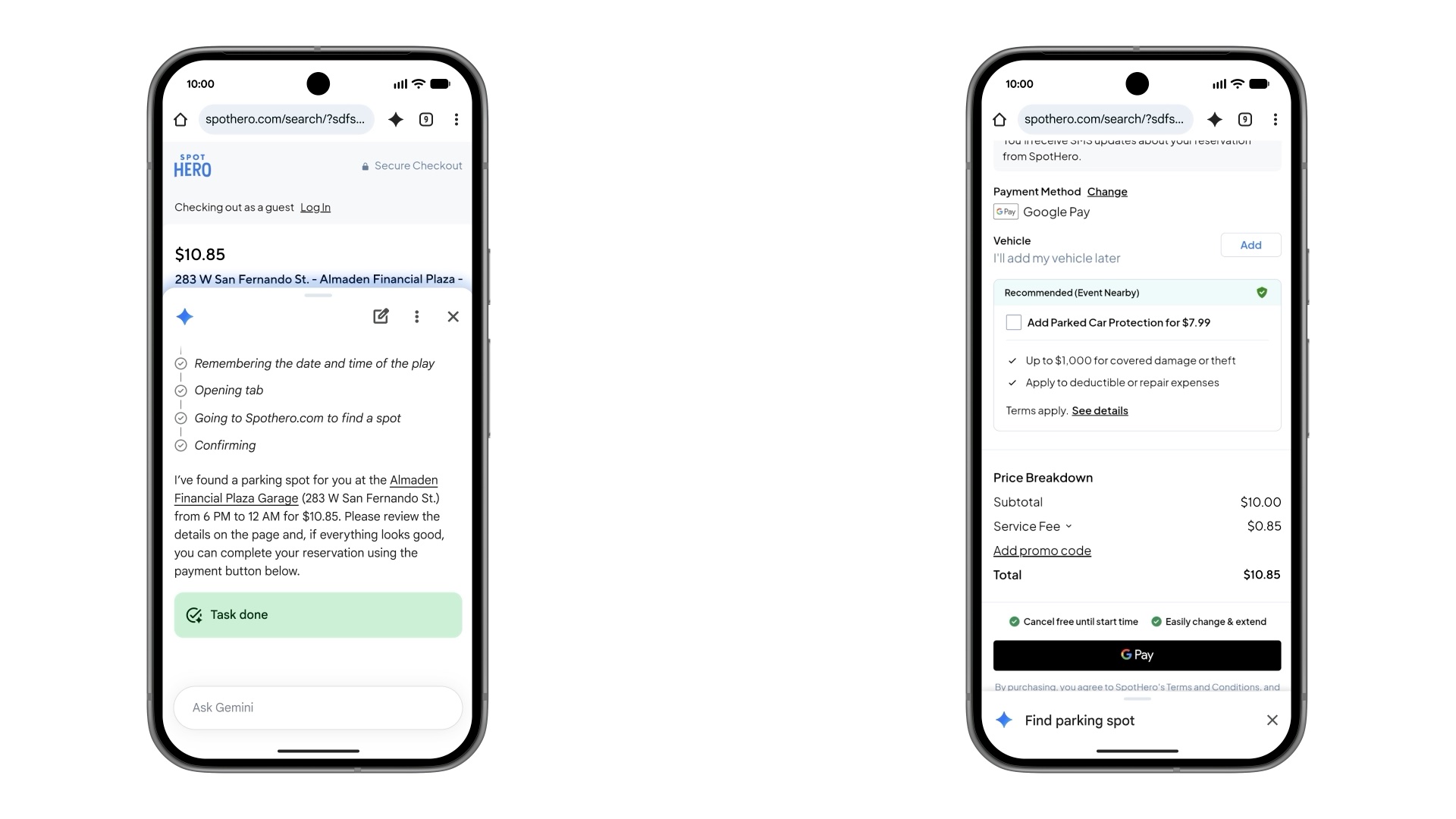
Starting in late June 2026, Google Chrome will evolve with "Chrome Auto Browse." This feature allows Gemini to research, compare, and summarize content across multiple open tabs. It can even take direct actions on your behalf, such as booking a doctor’s appointment or securing a parking spot, directly within the browser interface.
Intelligent Autofill and Personal Intelligence
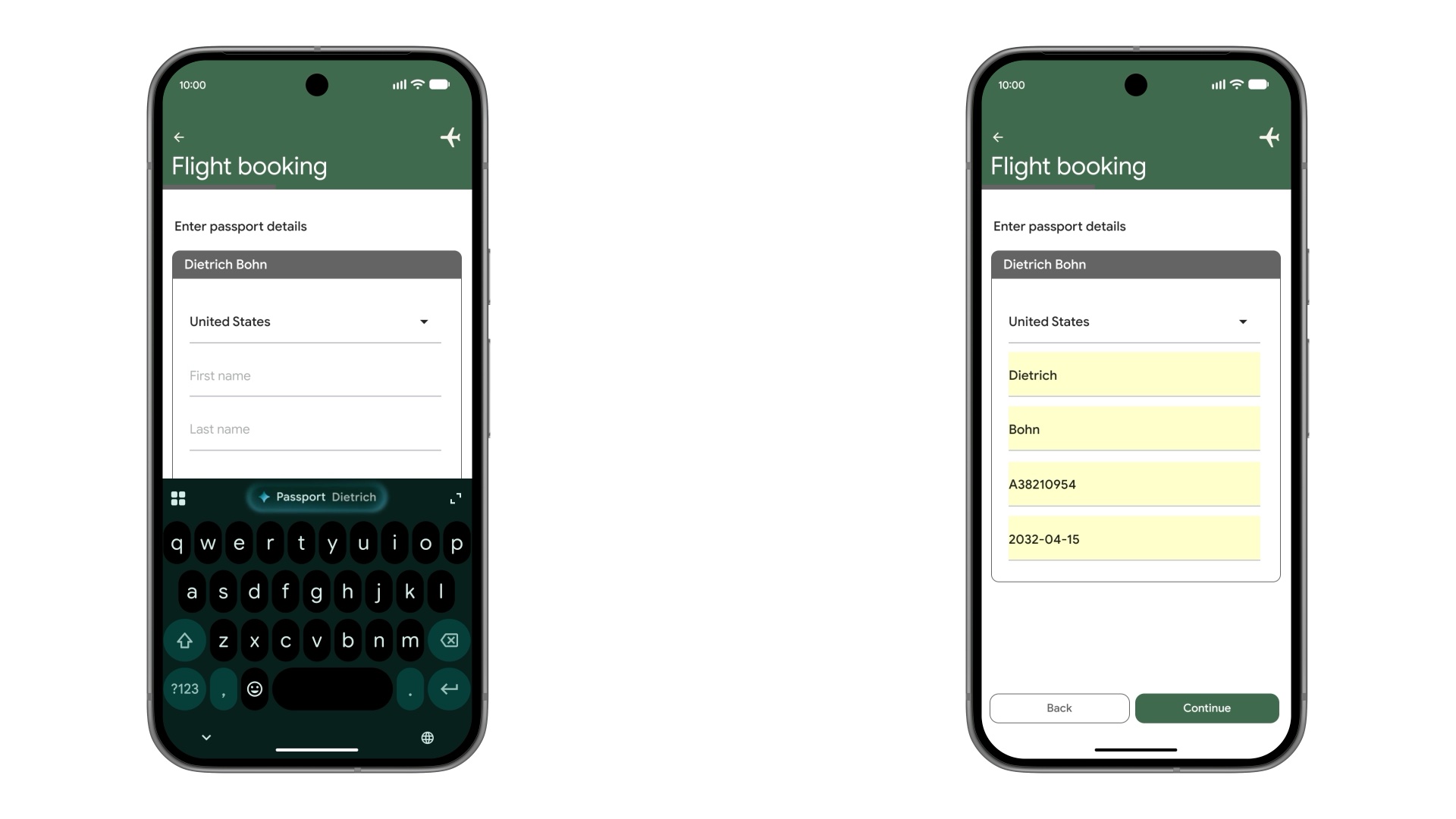
The Autofill system in Android 17 has received a massive upgrade. It can now intelligently retrieve personal data from Gmail, Drive, and Photos to fill out complex forms. Furthermore, it integrates with connected services like Samsung Notes, Spotify, and WhatsApp to streamline your digital interactions.
Rambler: The Next Generation of Speech-to-Text
Google's new "Rambler" system aims to perfect speech-to-text. By using Gemini Intelligence, Rambler filters out filler words like "um" and "ah" in real-time, converting casual spoken language into polished, professional text. This processing happens entirely on-device, ensuring that your private conversations are never stored or uploaded.
Switching from iPhone Made Easy
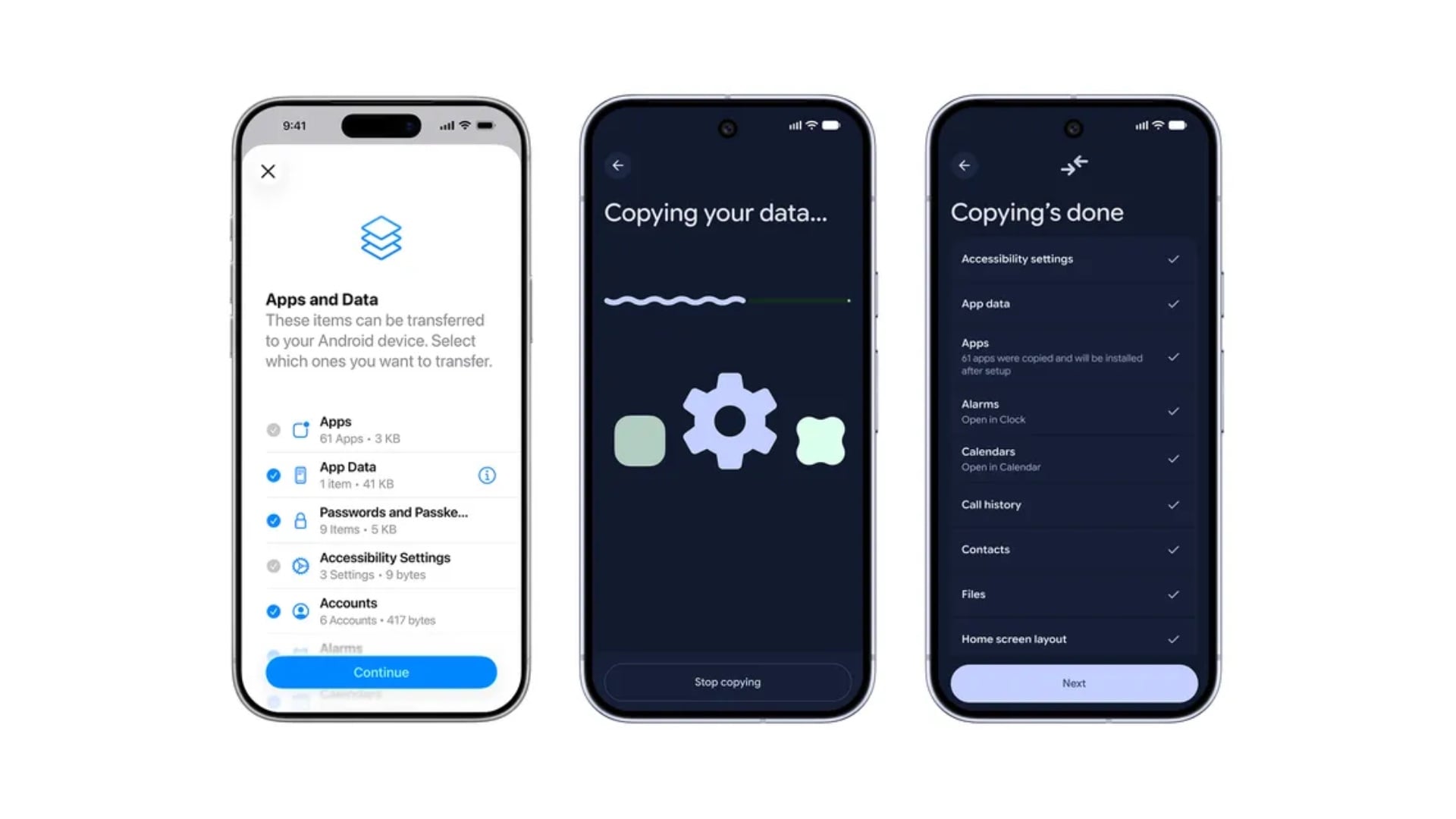
In a rare collaboration, Google and Apple have improved the wireless transfer process. Moving to a Samsung Galaxy device is now easier than ever, with full support for transferring eSIMs, home screen layouts, and even app-specific data.
Generative UI: Create Your Own Widgets
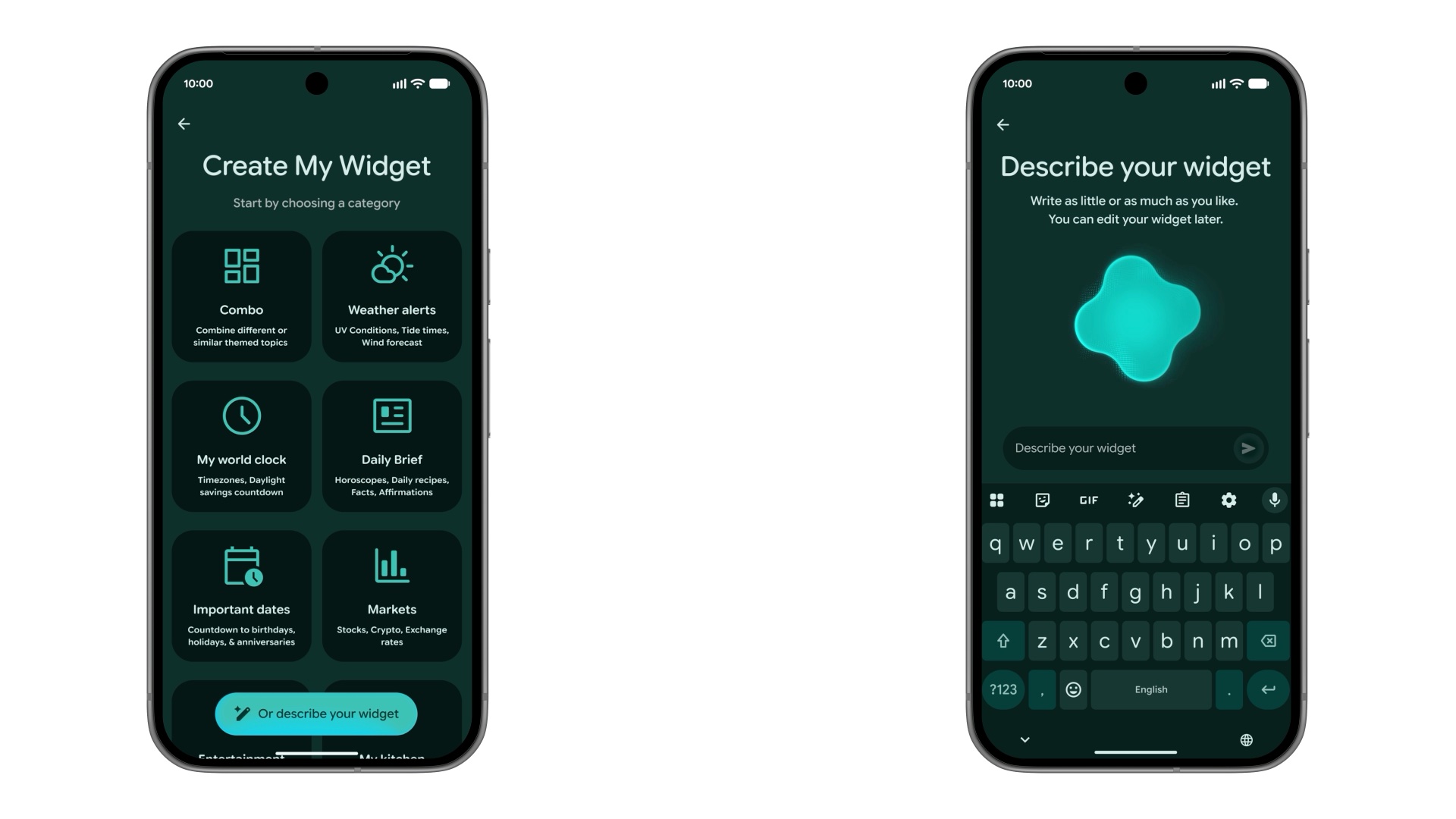
Android 17 introduces "Create My Widget," a feature that uses Generative UI to build custom dashboards. Users can describe a specific need—such as a widget that tracks wind speed for cycling or real-time currency rates—and Gemini will generate a functional, aesthetically pleasing widget instantly.
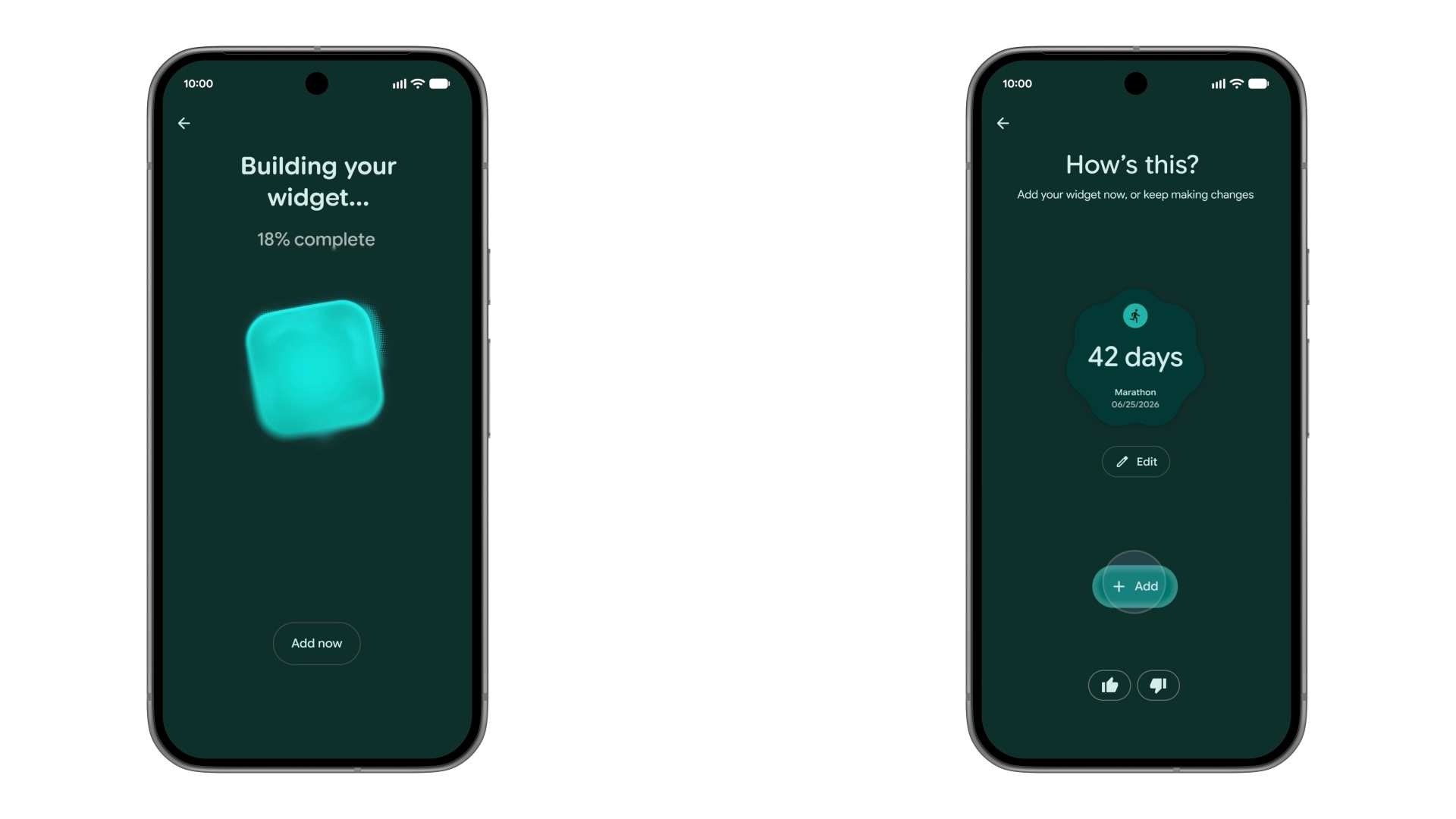
These widgets aren't limited to phones; they are designed to sync with Wear OS smartwatches like the Galaxy Watch Ultra and car infotainment systems via Android Auto.
A Fresh Visual Identity: Material 3 Expressive
The UI of Android 17 builds upon "Material 3 Expressive," focusing on functionality and beauty. The new design utilizes blurred background elements and purposeful animations to reduce distractions. A new color slider allows for granular control over the interface's intensity and hue, ensuring your device looks exactly how you want it.
When is Android 17 expected to launch?
Android 17 is expected to launch in June or July 2026, debuting alongside the Pixel 11 series and Samsung's next-generation foldables, the Galaxy Z Flip 8 and Galaxy Z Fold 8.
What is the new Rambler system?
Rambler is an AI-powered speech-to-text tool that intelligently removes filler words and stutters from natural speech, resulting in polished and professional-looking text transcriptions in real-time.
How does "Create My Widget" work?
It uses Generative UI to allow users to describe a widget's function in natural language. Gemini then builds a custom dashboard with the requested information, which can be placed on the home screen, smartwatch, or car display.
Will Samsung devices get these features?
Yes, Samsung Galaxy devices will receive these features through the One UI 9.0 update, which will be based on Android 17. Samsung often adds its own exclusive enhancements on top of Google's base features.
🔎 Android 17 and One UI 9 represent a significant leap forward in making our smartphones truly "smart." By shifting the focus from simple app interactions to complex, AI-driven automations and personalized generative interfaces, Google and Samsung are setting a new standard for the mobile industry. As we approach the official release this summer, the integration of Gemini Intelligence promises to make our digital lives more efficient, private, and tailored to our individual needs.
Post a Comment