
Apple Strategy Shift: Samsung Could Manufacture Future iPhone Silicon to Break TSMC Monopoly
In a move that could reshape the global semiconductor landscape, Apple is reportedly considering a return to its former partner, Samsung, to manufacture the next generation of iPhone chips. While the tech giant has relied almost exclusively on TSMC for nearly a decade, recent shifts in global demand and leadership changes at Apple are prompting a serious reevaluation of its supply chain strategy. This potential partnership aims to diversify production and ensure that Apple remains at the cutting edge of mobile performance during the ongoing AI revolution.
Article Highlights:
- ✨ Apple is exploring a partnership with Samsung Foundry and Intel to diversify its chip supply.
- ✨ Executives recently visited Samsung’s advanced facility in Taylor, Texas, to discuss potential 2nm production.
- ✨ The move is driven by the global AI boom, which is currently straining TSMC's manufacturing capacity.
- ✨ Leadership changes at Apple, including Tim Cook's upcoming transition, are influencing new hardware strategies.
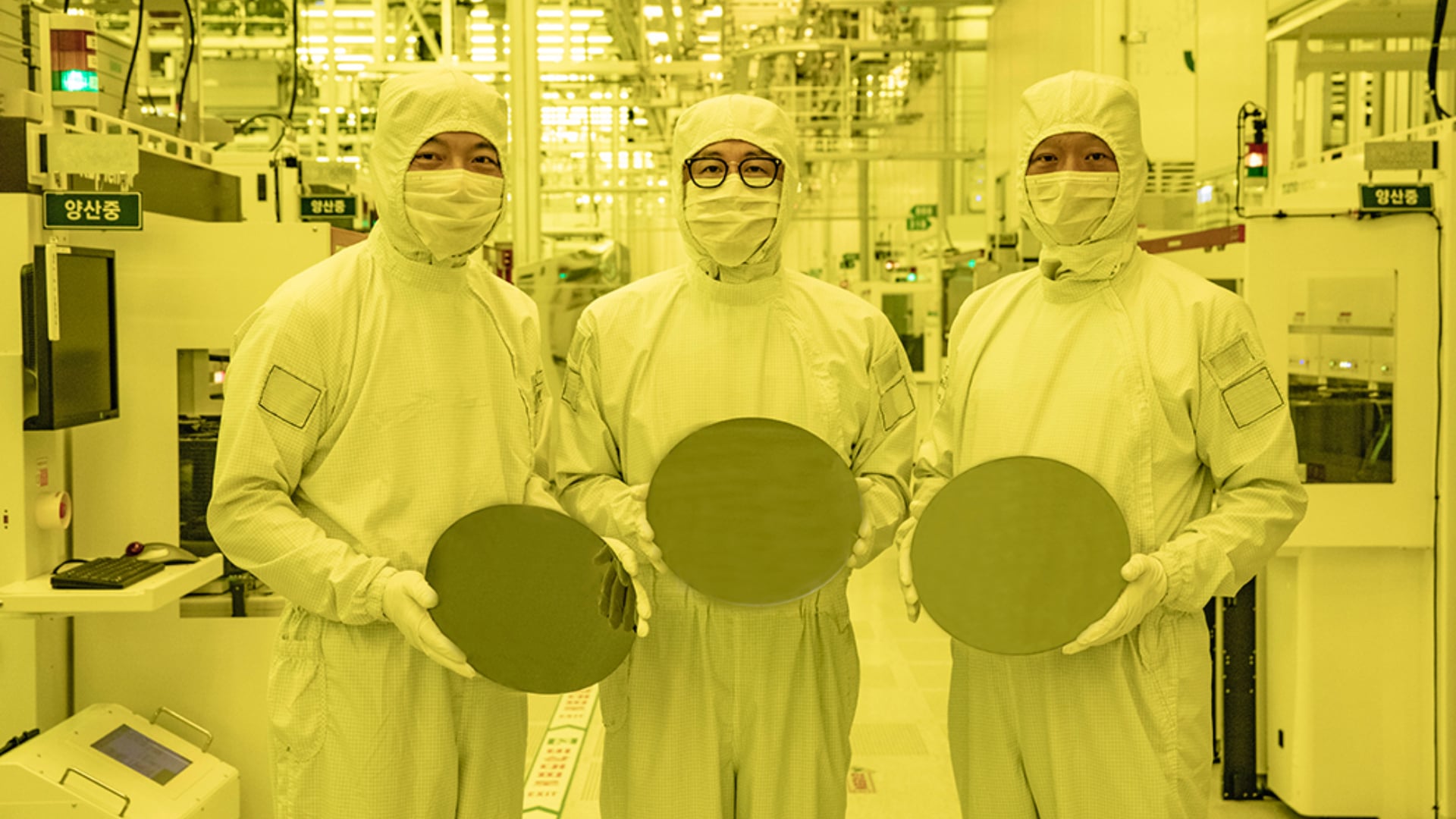
Apple Executives Scout Samsung’s Advanced Texas Chip Plant
According to a report from Bloomberg, Apple’s top brass has been actively engaging with potential alternatives to TSMC. High-level discussions have already taken place with Intel Foundry, but the most significant development involves a recent visit to Samsung Electronics’ state-of-the-art semiconductor facility in Taylor, Texas. This facility is particularly noteworthy as it is the same site where Samsung Foundry intends to produce high-performance 2nm chips for clients like Tesla.
Historically, Apple utilized both Samsung and TSMC for its A-series processors. However, the partnership with Samsung was severed in 2016 following concerns regarding thermal efficiency and the security of proprietary designs. Since then, TSMC has enjoyed a lucrative monopoly over Apple’s silicon. The current exploration suggests that Apple is ready to move past previous grievances to secure its hardware future.
The AI Boom and Supply Chain Pressures
The surge in Artificial Intelligence has created an unprecedented demand for high-end semiconductors. Industry giants like AMD and Nvidia are currently consuming a massive portion of TSMC’s production capacity. This congestion is beginning to pose a risk to the timely production of Apple’s own A-series and M-series chips. By integrating Samsung Foundry back into its ecosystem, Apple could effectively bypass these bottlenecks.
Furthermore, Apple is currently navigating a period of internal transition. With Tim Cook preparing to step down as CEO and John Ternus poised to take the helm, the company is reorganizing its hardware division. Johny Srouji, Apple’s Chief Hardware Officer, is overseeing this shift, with a renewed focus on the Silicon area led by Sri Santhanam. These leaders appear more open to a multi-vendor approach to ensure stability and competitive pricing.
While discussions are still in the preliminary stages, the implications are vast. Apple remains notoriously cautious about non-TSMC processes, but the sheer scale of modern chip demand may leave them with little choice but to diversify. Whether this leads to a full-scale manufacturing deal or remains a strategic negotiation tactic is yet to be seen, but the tech world is watching Taylor, Texas, very closely.
Why is Apple considering a return to Samsung for chip manufacturing?
Apple wants to diversify its supply chain and reduce its total reliance on TSMC. The current AI boom has caused TSMC's capacity to be filled by companies like Nvidia and AMD, potentially slowing down Apple's own chip production. Samsung Foundry offers a viable high-tech alternative.
When did Apple originally stop using Samsung Foundry?
Apple stopped using Samsung for its iPhone processors in 2016. At the time, the decision was driven by concerns over design security and the thermal performance of Samsung-made chips compared to those made by TSMC.
What specific facility did Apple executives visit?
Apple executives visited Samsung’s semiconductor manufacturing plant in Taylor, Texas. This facility is a flagship for Samsung’s US-based production and is slated to produce advanced 2nm chips.
Is Intel also involved in these discussions?
Yes, reports indicate that Apple has held early-stage discussions with Intel Foundry as well. Apple is looking at both Intel and Samsung as potential partners to manufacture its main device chips within the United States.
Who is currently leading Apple’s hardware and silicon strategy?
Johny Srouji remains Apple’s Chief Hardware Officer, overseeing all hardware development. The Silicon division specifically is led by Sri Santhanam, under a recently reorganized hardware structure.
🔎 Ultimately, Apple’s exploration of a deal with Samsung Foundry represents a pragmatic response to an evolving market. As AI continues to drain global manufacturing resources, the "TSMC-only" era may be coming to a close. By leveraging Samsung's advanced facilities in Texas, Apple can secure its production timelines and maintain its performance lead in the smartphone industry. While the deal is not yet finalized, the shift in strategy highlights Apple's commitment to supply chain resilience in an increasingly competitive technological landscape.
Post a Comment