
Google Fitbit Air: The $99 Screen-less Revolution
- ✨ Google launches the Fitbit Air, a $99 screen-less activity tracker designed for 24/7 wear.
- ✨ The device weighs just 12g, prioritizing comfort and a "set it and forget it" user experience.
- ✨ Integration with a new Gemini-powered AI health coach provides personalized wellness guidance.
- ✨ Cross-platform compatibility with both Android and iOS offers a significant advantage over restricted ecosystems.
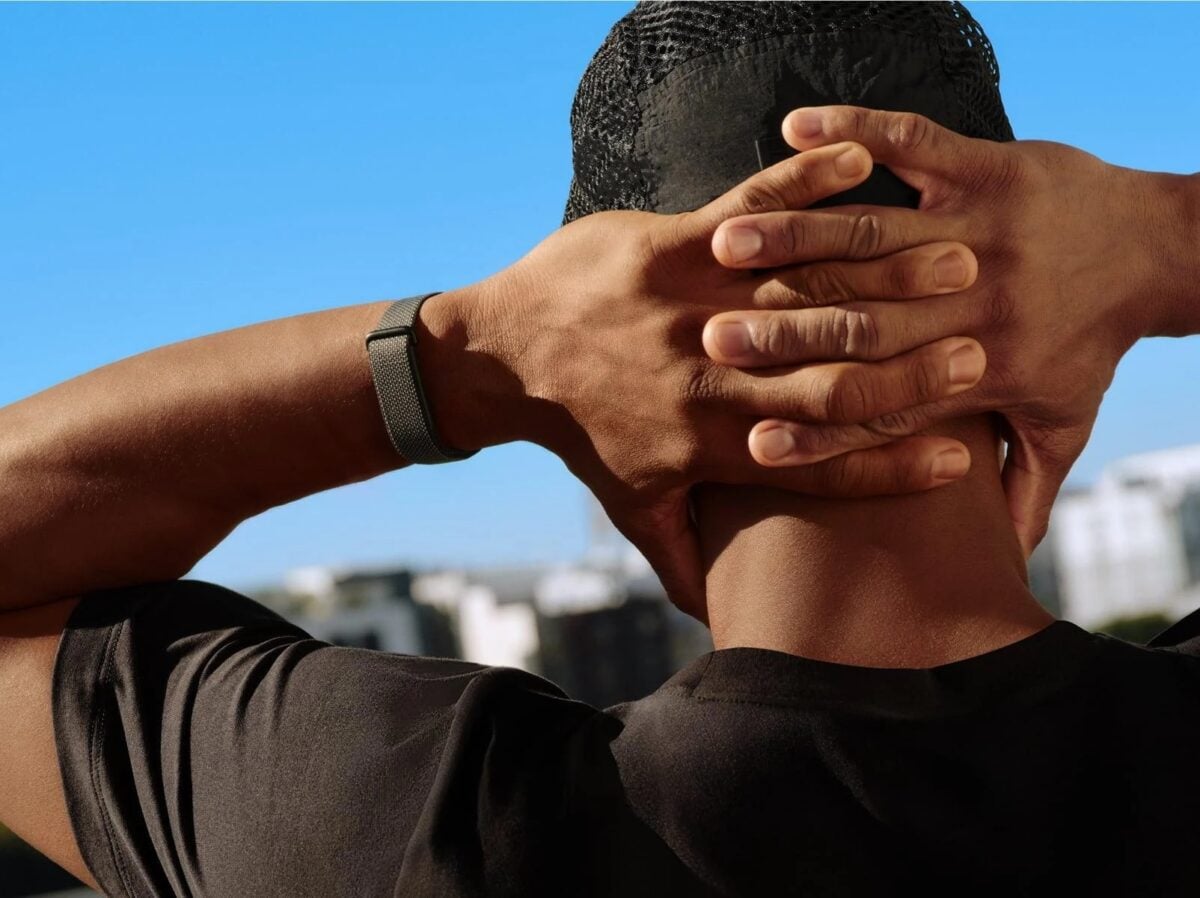
The Fitbit Air enters the market at a competitive $99 price point, directly tapping into the growing demand for discrete activity trackers. Much like the trend established by brands like Whoop, Google has stripped away the screen to focus on the core essentials. By removing the display, the Fitbit Air achieves a feather-light weight of just 12g, making it one of the most comfortable wearables for extended use and sleep tracking.
A New Era for Google Health and iOS Integration
Despite its minimalist hardware, the software experience is robust. The device features automatic workout detection, though users can still manually log their activities through the revamped Google Health app. This application is the true brains of the operation, featuring a Gemini-powered health coach designed to analyze biometric data, create custom fitness plans, and offer real-time wellness advice tailored to the individual.
Perhaps the most disruptive aspect of the Fitbit Air is its universal compatibility. Unlike many competitors that lock features behind specific hardware ecosystems, the Fitbit Air and the new Health app function seamlessly on both Android and iOS. This provides a clear "leg up" over Samsung’s current strategy, where users often find it difficult to maintain maximum efficiency if they decide to switch between an iPhone and a Galaxy device.
Samsung currently faces a challenge in matching this specific value proposition. While the Galaxy Ring is a stunning piece of engineering, it remains nearly three times more expensive than the Fitbit Air and is heavily tied to the Samsung ecosystem. For users seeking a budget-friendly, platform-agnostic, and discrete health monitor, Google has created a very compelling alternative.
As the trend for screen-less "invisible" technology continues to gain momentum, it remains to be seen how Samsung will respond. Whether they will release a more affordable "Fit" version of their ring or finally embrace deeper iOS integration is a question that will define the next year of wearable competition.
Does the Fitbit Air have a display for notifications?
No, the Fitbit Air is a screen-less device. It is designed to be a discrete tracker that stays out of the way, sending all data and notifications to your smartphone via the Google Health app.
Can I use the Fitbit Air with an iPhone?
Yes, one of the primary advantages of the Fitbit Air is its full compatibility with both iOS and Android, allowing users to access the AI health coach and tracking features regardless of their phone choice.
What is the Gemini-powered health coach?
The health coach is an AI-driven feature within the Google Health app that uses Google's Gemini models to provide personalized recommendations, fitness plans, and insights based on your activity and sleep data.
How much does the Fitbit Air weigh?
The device is incredibly lightweight, coming in at just 12 grams. This makes it ideal for users who find traditional smartwatches too bulky for sleep or high-intensity workouts.
How does it compare to the Samsung Galaxy Ring?
While both are screen-less, the Fitbit Air is significantly more affordable at $99 compared to the Galaxy Ring. However, the Galaxy Ring offers a different form factor and deeper integration specifically for Samsung Galaxy phone users.
🔎 The arrival of the Fitbit Air signals a major shift in how tech giants approach health tracking, moving away from "wrist computers" toward specialized, unobtrusive sensors. By combining an aggressive price point with powerful AI and cross-platform flexibility, Google has set a new benchmark that forces competitors to rethink their ecosystem restrictions. For the consumer, this means more choices, better data, and a wearable that finally fits into their life without demanding constant attention.
Post a Comment