
Massive Samsung Bonus Payout: How AI Profits Are Granting Workers $339,000 Each
In a historic move for the global tech industry, Samsung Electronics has successfully averted a potentially devastating labor strike within its semiconductor division. The resolution came after the company agreed to a massive bonus distribution totaling approximately KRW 40 trillion (around $26.6 billion). This unprecedented payout is set to change the lives of thousands of employees, with the average bonus per worker estimated at a staggering $339,000 this year.
- ✨ Samsung avoids a major industrial strike by agreeing to a $26.6 billion bonus pool.
- ✨ Semiconductor division workers will receive an average individual payout of $339,000.
- ✨ The agreement establishes a 10-year profit-sharing program involving stock and cash.
- ✨ The deal was spurred by record profits in the Artificial Intelligence memory chip market.
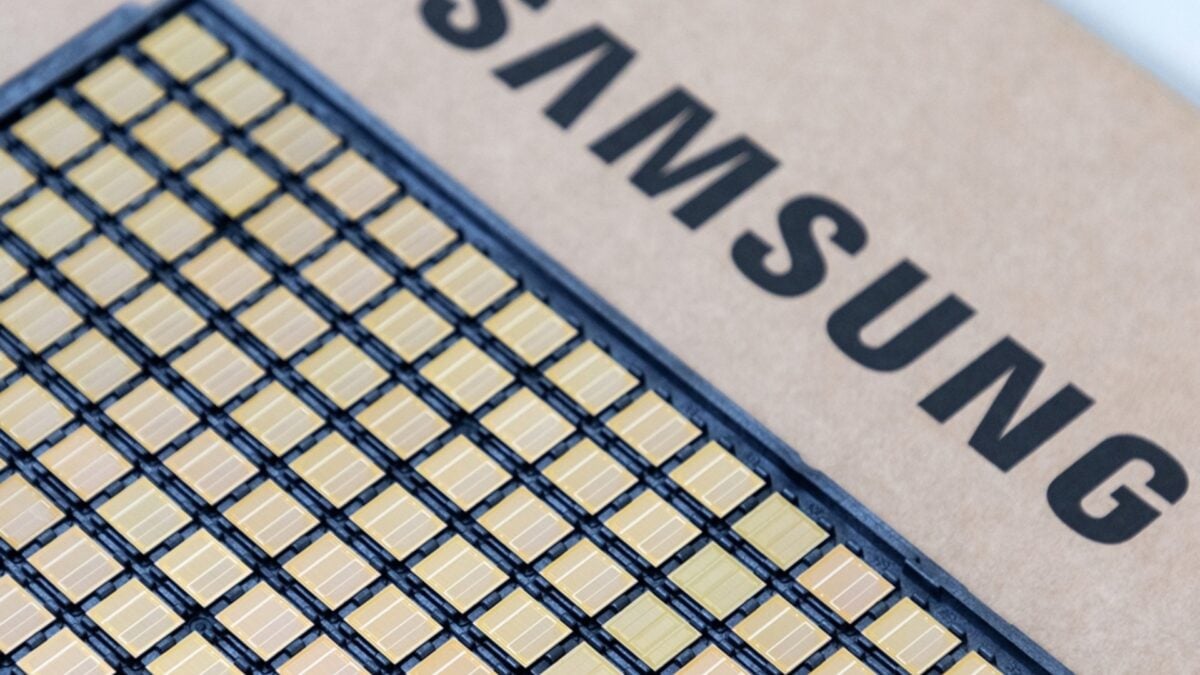
This substantial amount of money has already begun to impact the local economy in South Korea, where reports suggest that high-end car showrooms are being overwhelmed by workers looking to spend their newfound wealth. The agreement marks a significant victory for the labor union and highlights the immense value of the Semiconductor Market in the current era.
The Details: Profit Sharing and Stock Distribution
Under the newly reached agreement, Samsung will distribute 10.5% of its annual profit to chip division workers in the form of company stock. Additionally, employees will receive a 1.5% bonus in cash. While this total of 12% is slightly lower than the 15% originally demanded by the union, it remains significantly higher than the 10% offered by rival firm SK Hynix.
One of the most notable aspects of this deal is its longevity. Unlike previous one-time offers, this bonus program is scheduled to continue for 10 years, provided that specific profit targets are achieved. This shift provides long-term financial security for the workers who power Samsung's most profitable division.
The union is expected to vote on these terms in the coming weeks. If approved, the first payouts will reach employees in early 2027. To maintain market stability, workers will be permitted to sell one-third of their shares immediately, while the remaining two-thirds must be sold gradually over the following two years.
The AI Boom: Driving Record Profits
The primary driver behind these astronomical bonuses is the ongoing explosion in artificial intelligence. Major tech giants are currently in a race to acquire massive quantities of DRAM and High Bandwidth Memory (HBM) chips. These components are essential for AI accelerators and the servers that manage complex AI workloads.
Currently, only three companies in the world—Micron, Samsung, and SK Hynix—possess the technology and infrastructure to manufacture high-performance HBM chips at the necessary scale. With demand far outstripping supply, prices have soared, leading to unprecedented profit margins for manufacturers.
Why a Strike Was Threatened
Tensions rose when workers realized the extent of the company's success. In the first quarter of 2026, the semiconductor division alone contributed roughly 94% of Samsung’s total operating profit. Employees argued that they deserved a larger share of this success, especially as performance bonuses were previously capped at 50% of an annual salary.
When initial negotiations stalled, the union threatened an 18-day strike starting May 21. Such an interruption could have crippled global chip production for months, exacerbating the existing shortage. Fortunately, mediation from government agencies helped both parties reach a compromise just 24 hours before the strike was set to begin.
Why is Samsung paying such high bonuses to its workers?
The bonuses are a result of record-breaking profits driven by the AI boom. Workers in the semiconductor division demanded a fair share of the profits, as their division contributed nearly 94% of the company's operating income in early 2026.
What is the breakdown of the $339,000 bonus?
The payout consists of 10.5% of annual profits distributed as company stock and an additional 1.5% as a cash bonus. While the exact amount depends on an individual's position, the average per employee is approximately $339,000.
When will Samsung employees receive their money?
Following a successful union vote, the payouts are expected to be distributed in early 2027. There are specific rules for selling the stocks to prevent market volatility, with a three-year total sell-off period.
How long will this new bonus program last?
The agreement is not a one-time event; it is a 10-year program. As long as Samsung meets its profit targets, workers in the chip division will continue to benefit from this profit-sharing model.
What would have happened if the strike had proceeded?
An 18-day strike would have likely led to a significant drop in chip production for up to three months. This would have caused a global shortage of AI-critical memory chips and potentially cost the company billions in lost revenue.
🔎 This landmark agreement between Samsung and its labor union highlights the critical role of human capital in the high-stakes world of semiconductor manufacturing. By securing a 10-year profit-sharing deal, Samsung has not only protected its production lines from immediate disruption but has also set a new benchmark for compensation in the tech industry. As the AI revolution continues to unfold, the workers at the heart of the hardware production are finally seeing the direct financial rewards of their essential labor.
Post a Comment