
Qualcomm Redefines Mid-Range Power with Snapdragon 6 Gen 5 and 4 Gen 5: Everything You Need to Know
The landscape of affordable mobile technology is shifting as Qualcomm officially pulls back the curtain on its latest silicon innovations. By introducing the Snapdragon 4 Gen 5 and the Snapdragon 6 Gen 5, the company aims to bridge the gap between entry-level pricing and premium-tier performance. These processors are specifically engineered to provide a significant boost to the next generation of budget-friendly and mid-range smartphone technology, ensuring that high-speed connectivity and advanced imaging are no longer exclusive to flagship devices.
- ✨ Dual-Foundry Strategy: The Snapdragon 4 Gen 5 is built on Samsung Foundry's 4nm node, while the 6 Gen 5 utilizes TSMC's 4nm process.
- ✨ Massive GPU Gains: The Snapdragon 4 Gen 5 boasts a staggering 77% GPU performance increase over its predecessor.
- ✨ Next-Gen Connectivity: Introduction of Wi-Fi 7 and Bluetooth 6.0 support in the mid-range Snapdragon 6 Gen 5.
- ✨ Pro-Grade Photography: New ISPs support up to 200MP camera sensors and 4K HDR video recording for more affordable handsets.
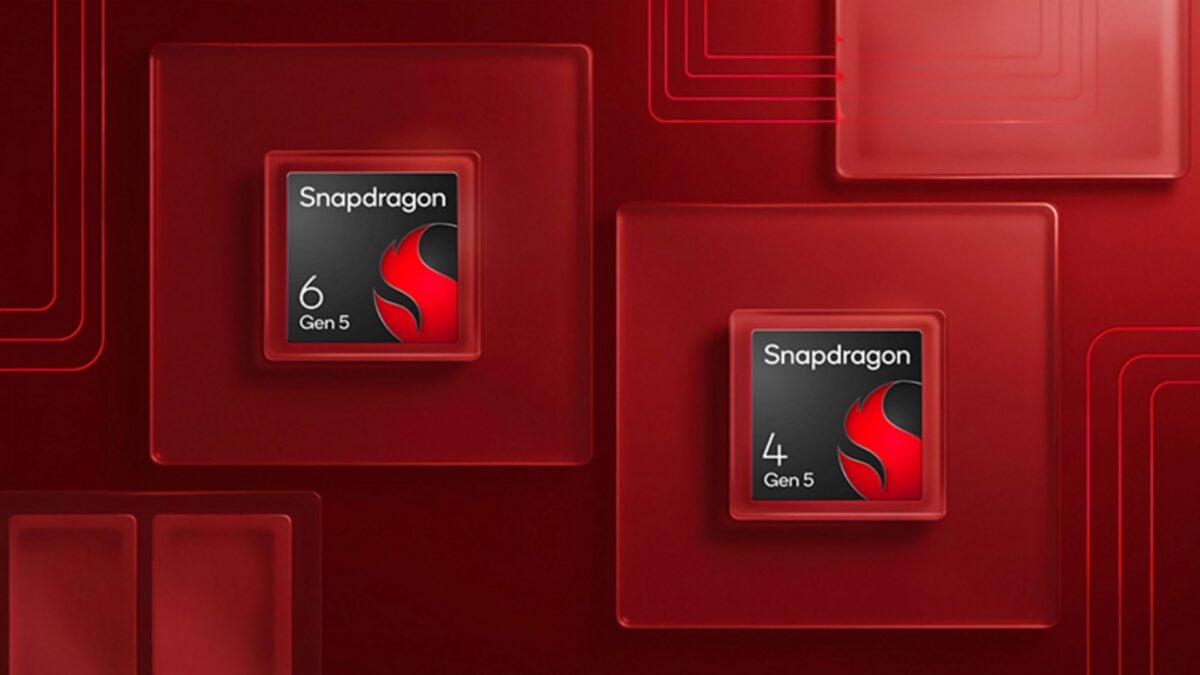
These new platforms promise more than just raw speed; they are designed to deliver a more refined user experience. From smoother system animations to enhanced gaming frames and significantly improved power efficiency, Qualcomm is focusing on the features that matter most to the daily user. Below, we dive into the technical specifications and unique capabilities of each chip.
Snapdragon 4 Gen 5: Elevating the Entry-Level
The Snapdragon 4 Gen 5 (model SM4850) is set to become the backbone of the next wave of highly affordable 5G devices. Manufactured by Samsung Foundry on its mature 4nm node, this chip focuses on reliability and consistent performance. One of its standout features is the introduction of Dual-SIM Dual-Active (DSDA) 5G + 5G connectivity, a significant milestone for the 4 series that allows users to manage two 5G connections simultaneously without compromise.
Under the hood, the octa-core CPU configuration consists of two high-performance Cortex-A78 cores running at 2.4GHz, paired with six efficiency-focused Cortex-A55 cores at 2GHz. The Adreno GPU has been tuned to support Full HD+ displays with refresh rates reaching up to 144Hz, a feature once reserved for high-end gaming phones.
| Feature | Snapdragon 4 Gen 5 Improvement |
|---|---|
| App Launch Speed | 43% Faster |
| GPU Performance | 77% Improvement |
| Power Efficiency | 10% Better |
| Screen Stutter | 25% Reduction |
Connectivity and imaging are equally impressive for this tier. The integrated 5G modem supports download speeds up to 2.8Gbps. On the photography front, the dual 12-bit ISP supports camera sensors up to 108MP, though video capture remains capped at 1080p at 30fps to maintain thermal efficiency.
Snapdragon 6 Gen 5: The Mid-Range Powerhouse
For those seeking a more premium experience without the flagship price tag, the Snapdragon 6 Gen 5 offers a substantial leap forward. This chip is manufactured by TSMC using their industry-leading 4nm process. It features a more powerful CPU architecture, utilizing four high-performance Cortex-A720 cores clocked at 2.6GHz and four efficient Cortex-A520 cores at 2GHz.
The 6 Gen 5 is geared towards entertainment and productivity, supporting LPDDR5X RAM and UFS 3.1 storage. This combination ensures that multitasking is fluid and file transfers are rapid. Gamers will appreciate the Adreno GPU’s support for HDR gaming and high refresh rate displays.
| Metric | Snapdragon 6 Gen 5 Gain |
|---|---|
| GPU Speed | 21% Faster |
| Battery Longevity | 8% Increase |
| App Launching | 20% Faster |
| Screen Stutter | 18% Lower |
The Snapdragon 6 Gen 5 truly shines in its multimedia capabilities. Its dual 12-bit Spectra ISP can handle massive 200MP camera sensors, enabling incredible detail in mobile photography. Furthermore, it supports 4K 30fps HDR video recording and features an AI-powered Night Mode to ensure clear shots even in challenging lighting conditions. Connectivity is future-proofed with support for Wi-Fi 7 and Bluetooth 6.0 with LE Audio.
Market Availability and Future Devices
Consumers won't have to wait long to experience these new chips. Major manufacturers including Honor, OPPO, Realme, and Redmi are expected to be the first to market with devices powered by these platforms. Furthermore, there is strong speculation that Samsung Galaxy may integrate these processors into its popular A-series lineup in the coming year, bringing these advanced features to a global audience.
Which manufacturing processes are used for these new chips?
The Snapdragon 4 Gen 5 is manufactured using Samsung Foundry's 4nm node, while the Snapdragon 6 Gen 5 is produced on TSMC's 4nm process node.
What are the biggest performance improvements in the Snapdragon 4 Gen 5?
The most notable upgrade is the 77% faster GPU compared to the previous generation, along with 43% faster app launches and a 10% improvement in overall power efficiency.
Do these chips support the latest camera technology?
Yes, the Snapdragon 6 Gen 5 supports camera sensors up to 200MP and 4K HDR video recording, while the Snapdragon 4 Gen 5 supports up to 108MP sensors.
When will we see smartphones using these processors?
Devices from brands like Honor, OPPO, and Redmi are expected to launch very soon, with Samsung likely to follow in its 2027 Galaxy A series models.
What connectivity features are included?
The Snapdragon 6 Gen 5 features advanced Wi-Fi 7 and Bluetooth 6.0 support. Both chips feature integrated 5G modems with download speeds of up to 2.8Gbps.
🔎 In conclusion, Qualcomm's unveiling of the Snapdragon 4 Gen 5 and 6 Gen 5 marks a pivotal moment for the mobile industry. By democratizing high-end features like 144Hz refresh rates, 200MP photography, and Wi-Fi 7 connectivity, Qualcomm is ensuring that the "mid-range" experience feels anything but average. As these chips begin to find their way into consumer hands, the standard for what we expect from an affordable smartphone is set to be permanently elevated.
Post a Comment