
Samsung Exynos 2800: Revolutionizing On-Device AI with Next-Gen HBM Technology
Samsung is once again pushing the boundaries of mobile processing power, with reports emerging about significant architectural shifts planned for its future chipsets. As the tech giant continues to integrate advanced intelligence into its mobile ecosystem, the upcoming Exynos 2800 is poised to be a pivotal release. This new silicon isn't just about raw speed; it represents a fundamental change in how mobile devices handle complex data and artificial intelligence tasks directly on the hardware.
Article Highlights
- ✨ Samsung is developing "Vertical Cu-post Stack" technology to bring High-Bandwidth Memory (HBM) to smartphones.
- ✨ The Exynos 2800 is expected to feature major upgrades, including potential in-house GPU and custom CPU cores.
- ✨ These advancements aim to drastically improve on-device AI performance and efficiency.
- ✨ Rumors suggest a potential shift toward an Exynos-only flagship strategy in the coming years.
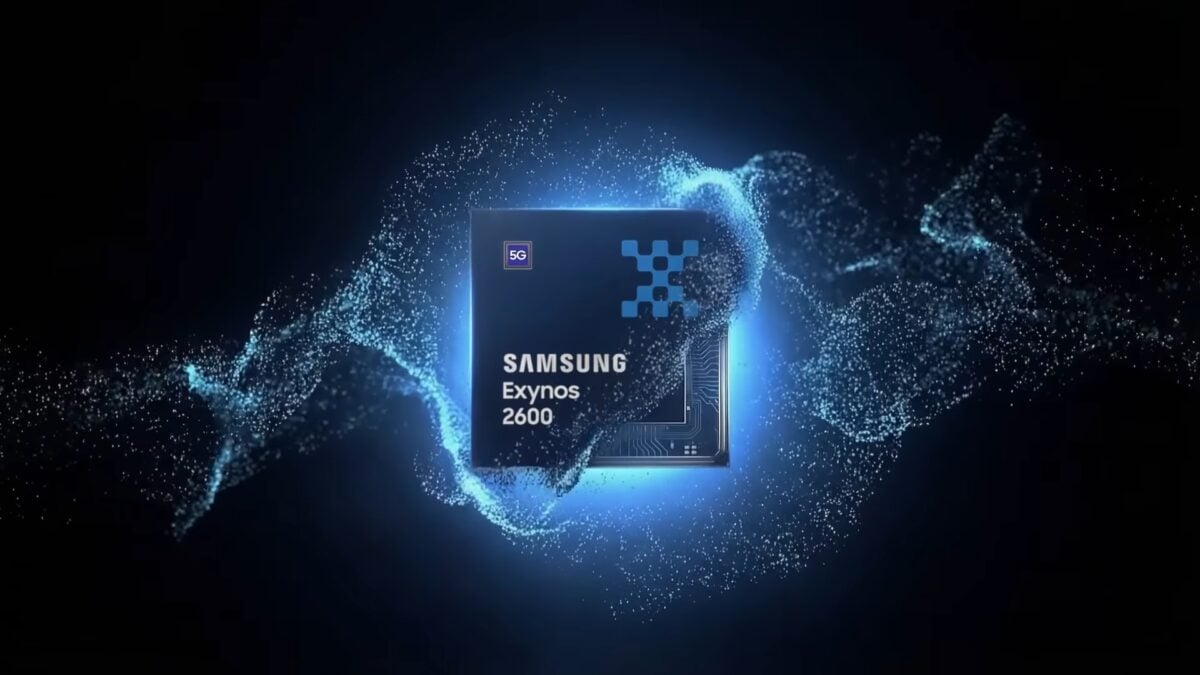
Samsung is gradually reintroducing its proprietary Exynos chipsets into its flagship smartphone lineup. Currently, the Exynos 2600 is utilized in specific Galaxy S26 models, while the Ultra variant maintains its partnership with Snapdragon. Looking ahead to next year, the industry anticipates a similar distribution for the Galaxy S27 series featuring the Exynos 2700. However, the real transformation is expected to arrive with the Samsung Galaxy S28 and its heart, the Exynos 2800.
Innovative HBM Packaging for Mobile Superiority
A groundbreaking report from South Korea indicates that Samsung is developing "Vertical Cu-post Stack" technology. This innovation is designed to implement High-Bandwidth Memory (HBM) within mobile devices. While HBM is currently a staple in high-end servers and AI data centers, bringing it to the palm of your hand has historically been impossible due to constraints in size, thickness, power consumption, and thermal management.
If Samsung successfully navigates these technical hurdles, the result will be a monumental leap for mobile Samsung Galaxy AI. By increasing the data transfer speeds between the processor and memory, the Exynos 2800 could handle generative AI tasks with unprecedented fluidity. Furthermore, this move would solidify Samsung's position as a dominant memory supplier, being one of the few capable of providing mobile-optimized HBM solutions.
Custom Architecture and the Future of Galaxy Flagships
The Exynos 2800 is rumored to be more than just a memory upgrade. Earlier leaks suggest that Samsung may move away from its partnership with AMD to debut a fully in-house GPU architecture. Additionally, there are whispers that Samsung might return to using custom-designed CPU cores to maximize optimization within its ecosystem. This vertical integration is a strategy that could eventually lead to an Exynos-only flagship lineup, a move that would give Samsung total control over the performance and feature set of its premium devices.
Whether these ambitious plans fully materialize by the launch of the Exynos 2800 remains to be seen. However, given the current trajectory of mobile technology, it is clear that Samsung is betting heavily on hardware-level AI capabilities to define the next generation of mobile computing.
What exactly is the Exynos 2800 and when will it be released?
The Exynos 2800 is Samsung's rumored next-generation flagship mobile processor, expected to debut with the Galaxy S28 series. It is anticipated to feature major architectural overhauls, focusing on advanced AI processing and high-speed memory integration.
How does High-Bandwidth Memory (HBM) change a smartphone's performance?
HBM allows for much faster data communication between the CPU/GPU and the RAM. In a smartphone, this translates to significantly better performance for AI tasks, such as real-time language translation, advanced photo editing, and running large language models locally on the device without needing an internet connection.
Will Samsung stop using Snapdragon chips in its flagship phones?
While rumors suggest Samsung may move toward an Exynos-only strategy for its flagship series in the future, currently, they still utilize a split strategy between Snapdragon and Exynos depending on the model and region. The success of the Exynos 2800 will likely determine if they make the full transition.
What are the main challenges in bringing HBM technology to mobile devices?
The primary obstacles are physical size and heat. HBM modules are typically thick and consume significant power, which generates heat. Samsung's new "Vertical Cu-post Stack" technology is specifically designed to shrink these components and improve thermal efficiency for smartphone use.
🔎 The evolution of the Exynos lineup from a standard mobile processor to an AI-centric powerhouse marks a significant turning point for Samsung. By tackling the thermal and physical limitations of HBM technology, Samsung is not just improving its own devices but is setting a new standard for the entire mobile industry. As we move closer to the era of the Exynos 2800, the promise of a truly intelligent, independent mobile experience has never felt more attainable.
Post a Comment