
Samsung Galaxy S27 Might Ditch In-House Screens for Affordable Chinese OLEDs
For years, Samsung has maintained a reputation for using its own industry-leading technology in its flagship smartphones. However, a significant shift in strategy appears to be on the horizon for the upcoming Galaxy S27 series. Recent industry reports suggest that the Korean tech giant is considering a major change in its supply chain that could see high-end Galaxy phones utilizing display technology from Chinese manufacturers for the very first time.
- ✨ Samsung is evaluating Chinese firm BOE as a potential supplier for OLED panels in the Galaxy S27 series.
- ✨ BOE is reportedly offering panels at a cost roughly $5 lower per unit than Samsung Display.
- ✨ The move aims to offset rising costs of internal components like RAM and storage.
- ✨ While most units will still use in-house screens, specific variants could feature the new Chinese-made displays.
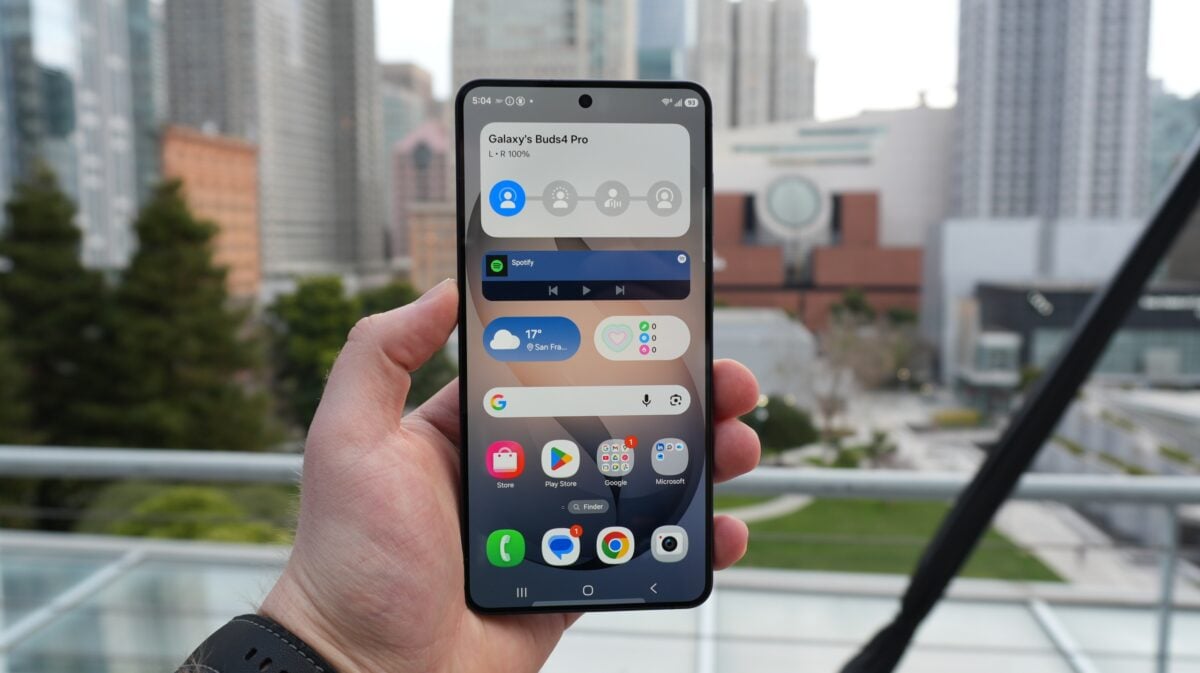
The Strategic Shift Toward BOE Display Technology
Historically, Samsung MX (the mobile division) has relied almost exclusively on Samsung Display for the OLED panels found in its premium S-series devices. This vertical integration ensured quality control but often came at a higher price point. According to a detailed report, Chinese display titan BOE is making an aggressive play to join the elite supply chain. By offering competitive pricing that undercuts Samsung's internal costs by $5 per unit, BOE has caught the attention of Samsung's decision-makers.
Samsung has reportedly been putting BOE’s OLED panels through rigorous testing for over a month. Early indicators suggest that the Chinese company is nearing the strict quality and reliability standards required for a flagship Galaxy device. If no major technical hurdles arise, BOE could secure its position as a secondary supplier, providing a safety net and price leverage for Samsung.
Balancing Quality with Rising Component Costs
The decision to look elsewhere for screens isn't just about display competition; it's a financial necessity. With the prices of high-speed RAM and flash storage components skyrocketing, Samsung is looking for ways to maintain its profit margins without passing the entire cost onto the consumer. Even a "small" saving of $5 per panel translates into millions of dollars in savings when considering the global shipping scale of the Galaxy S27.
This wouldn't be the first time Samsung has experimented with third-party screens. The mid-range Galaxy A57 has already utilized panels from TCL CSOT, proving that Samsung is willing to diversify its sources if the quality meets their baseline. For the flagship S27 lineup, which is expected to feature the standard S27, S27+, S27 Pro, and S27 Ultra, the distribution will likely be mixed.
Processor Distribution and Market Variants
Beyond the screen, the internal hardware of the S27 series remains a topic of heavy speculation. Rumors suggest that the Galaxy S27 and S27+ will likely utilize the Exynos 2700 processor in most global markets. However, regions like the USA, China, and Canada are expected to receive versions powered by the latest Snapdragon chip. In contrast, the top-tier S27 Pro and S27 Ultra models are rumored to use Snapdragon processors exclusively worldwide to ensure peak performance for their most demanding users.
Why is Samsung considering BOE for the Galaxy S27 screens?
The primary reason is cost reduction. BOE is offering OLED panels at a price approximately $5 lower per unit than Samsung Display, which helps Samsung manage the rising costs of other internal parts like memory and storage.
Will all Galaxy S27 models use Chinese OLED panels?
No, most units are still expected to feature Samsung Display panels. BOE is being considered as a secondary supplier, meaning their screens might only appear in specific variants or regions.
Has Samsung ever used non-Samsung screens in its phones before?
Yes, Samsung has previously used panels from other manufacturers like TCL CSOT for its mid-range devices, such as the Galaxy A57. However, the S27 would mark a significant step as it is a flagship series.
What processors are expected in the Galaxy S27 series?
The standard S27 and S27+ will likely use the Exynos 2700 in most markets, while the S27 Pro and S27 Ultra are expected to use Snapdragon chips exclusively on a global scale.
🔎 As the mobile industry becomes increasingly competitive, Samsung's potential move to include BOE in its flagship supply chain highlights a strategic pivot toward cost-efficiency. While some fans may worry about the shift from 100% in-house components, Samsung’s rigorous quality testing ensures that any panel making it into a Galaxy S27 will likely meet the high standards consumers have come to expect. This diversification could be the key to keeping flagship prices stable despite the volatile market for mobile hardware.
Post a Comment