
Samsung Galaxy S27 Ultra: The Future of Variable Aperture and High-Resolution Mobile Photography
The smartphone world is already buzzing with anticipation for the Galaxy S27 Ultra, even as current models continue to dominate the market. Samsung is reportedly preparing a massive overhaul for its 2027 flagship, focusing on a more streamlined but significantly more powerful camera system. These changes are expected to address long-standing fan requests while introducing cutting-edge sensor technologies that could redefine mobile imaging standards once again.
The Galaxy S27 Ultra is rumored to transition to a triple-camera setup featuring a revolutionary 200MP primary sensor with variable aperture. By incorporating LOFIC technology and potentially removing the dedicated 3x telephoto lens, Samsung aims to maximize internal space and dynamic range performance.
- ✨ Shift toward a high-performance triple-camera array.
- ✨ Integration of a 200MP ISOCELL HP6 sensor with variable aperture.
- ✨ Implementation of LOFIC technology for superior dynamic range.
- ✨ Potential removal of the 3x optical zoom lens to favor sensor-crop zoom.
- ✨ Space-saving design to accommodate Qi2 magnets and larger components.
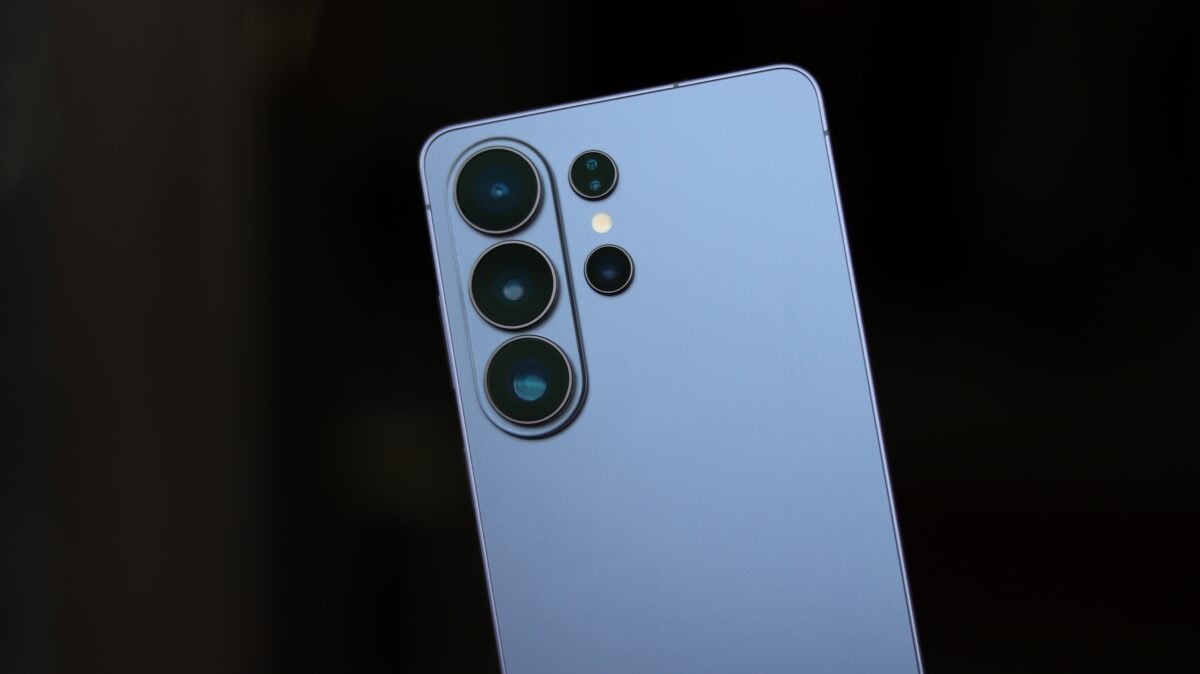
The Return of Variable Aperture: A Triple-Camera Revolution
According to insights from the tech community and industry insiders, the Samsung ISOCELL roadmap for the Galaxy S27 Ultra involves a move from a quad-camera setup to a more efficient triple-camera system. The star of the show is expected to be a 200MP primary sensor, likely the ISOCELL HP6, equipped with a sophisticated variable aperture system. This would be accompanied by a 50MP ultrawide lens and a 50MP telephoto camera capable of 5x optical zoom.
Why Variable Aperture is a Game Changer
Variable aperture allows a camera to physically adjust the size of its lens opening based on the environment. In photography, "one size" rarely fits all. A narrower aperture is ideal for bright daylight or sweeping landscapes, ensuring the entire frame remains sharp and preventing overexposure. Conversely, a wider aperture is vital for low-light environments and professional-looking portraits, as it lets in more light and creates a beautiful, natural background blur (bokeh).
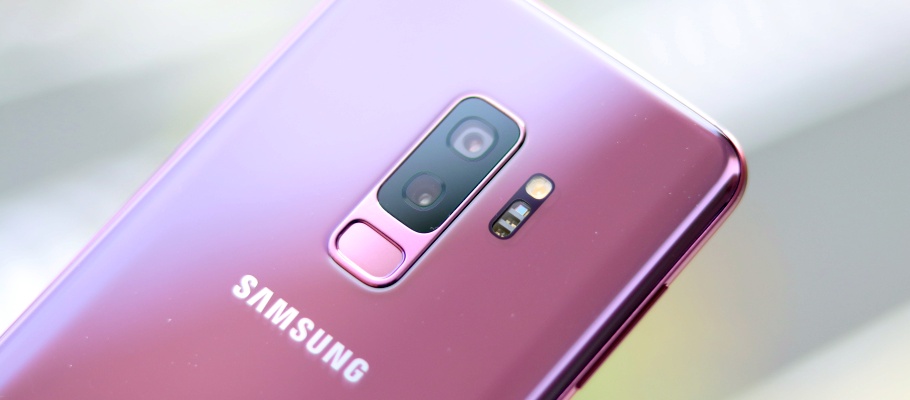
While Samsung previously explored this with the Galaxy S9 and S10 series (offering F1.5 and F2.4 settings), the Galaxy S27 Ultra is expected to offer a much more granular and advanced system. This move would also allow Samsung to stay ahead of competitors like Apple, who are rumored to bring similar technology to future iPhone Pro models.
Harnessing LOFIC Technology for Unmatched Dynamic Range
Beyond the lens mechanics, the 200MP sensor may utilize Lateral Overflow Integration Capacitor (LOFIC) technology. This specialized hardware is designed to tackle one of mobile photography's biggest hurdles: dynamic range. By adding a capacitor to each pixel, the sensor can collect "overflow" light that would otherwise result in blown-out highlights. The result is a photograph or video that maintains incredible detail in both the brightest sun and the deepest shadows.

Optimizing Design: Dropping the 3x Telephoto
One of the more controversial rumors suggests that Samsung might ditch the dedicated 10MP 3x telephoto lens. Instead, the company would rely on high-quality sensor-cropping from the massive 200MP primary camera to handle mid-range zoom levels. This architectural shift isn't just about the camera; it's about space. Removing a lens module frees up vital internal room for other features, such as the magnets required for Qi2 wireless charging or larger battery cells.
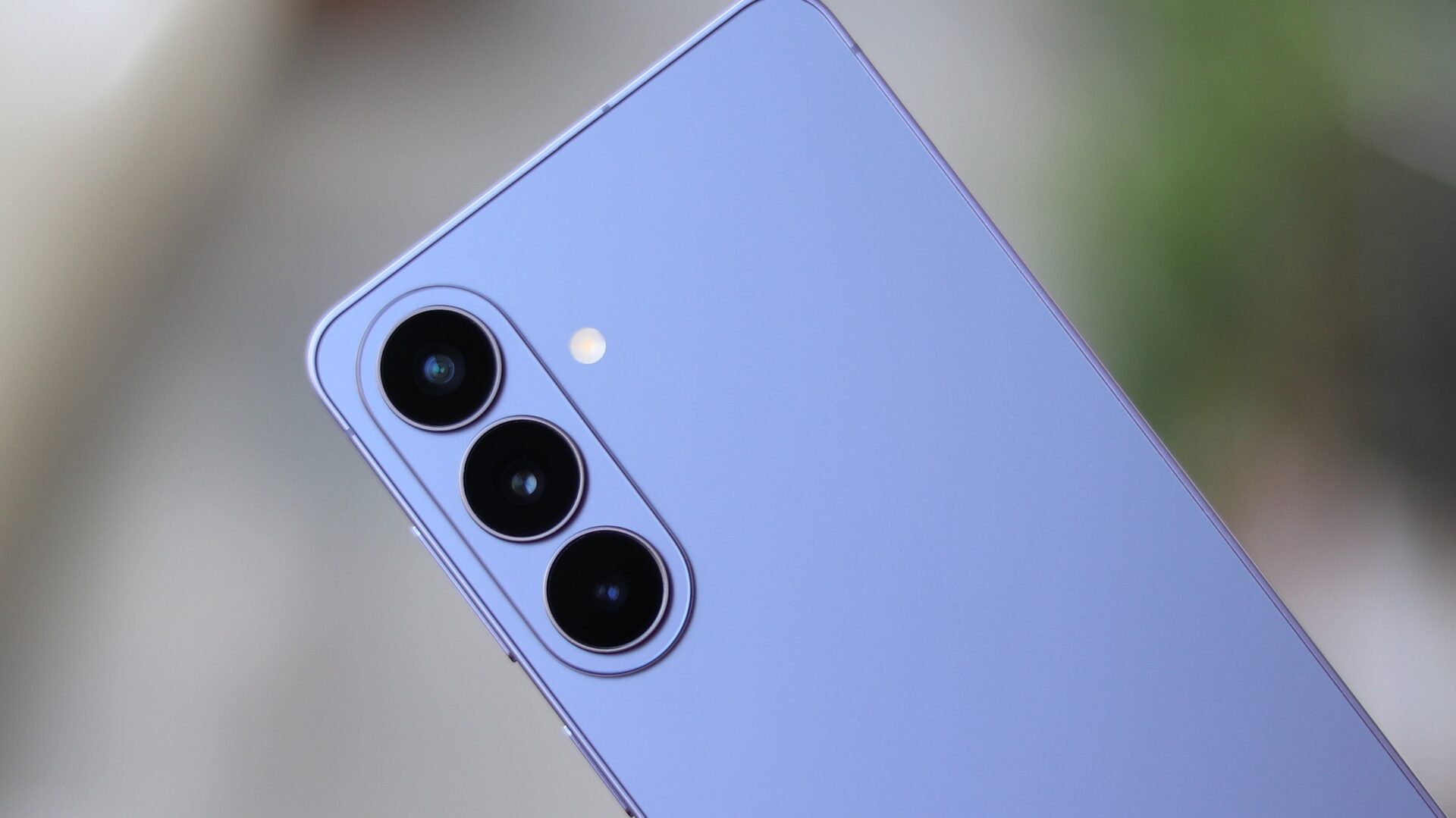
Furthermore, there is growing speculation regarding the front-facing camera. Potential upgrades include a 3D face-scanning system for enhanced biometrics and a square-format sensor. A square sensor would be particularly innovative, allowing creators to capture content for both portrait (TikTok/Reels) and landscape (YouTube) formats simultaneously without needing to rotate the device.
What is the main camera upgrade expected for the Galaxy S27 Ultra?
The most significant rumored upgrade is the introduction of a 200MP primary sensor featuring a variable aperture system, allowing the lens to adjust to different lighting conditions physically.
How does LOFIC technology improve photo quality?
LOFIC (Lateral Overflow Integration Capacitor) technology prevents highlights from being overexposed by collecting excess light in a capacitor, resulting in a much wider dynamic range and better detail in high-contrast scenes.
Why would Samsung remove the 3x telephoto lens?
By removing the 3x lens, Samsung can use the high resolution of the 200MP main sensor for "lossless" digital cropping while freeing up internal space for components like Qi2 magnetic charging hardware.
Will the Galaxy S27 Ultra still have great zoom capabilities?
Yes, the device is expected to retain a dedicated 50MP telephoto lens with 5x optical zoom, while the 200MP main sensor will handle lower zoom ranges through advanced sensor cropping.
Is variable aperture a new concept for Samsung?
Not entirely. Samsung previously used a dual-aperture system in the Galaxy S9 and S10. However, the version planned for the S27 Ultra is expected to be far more advanced and versatile.
🔎 In conclusion, the Galaxy S27 Ultra represents a bold step forward in Samsung's mobile strategy. By focusing on quality over quantity—moving from four lenses to three highly specialized ones—and integrating professional-grade features like variable aperture and LOFIC, Samsung is positioning itself to reclaim the mobile photography crown. While these rumors are still early, the prospect of a more space-efficient design paired with such powerful imaging hardware is enough to make any tech enthusiast eager for the future of the Galaxy lineup.
Post a Comment