
Samsung Galaxy Watch Micro LED Revolution: New Production Facility Signals Major Display Upgrade
The future of wearable technology is looking brighter than ever as Samsung moves closer to integrating cutting-edge display technology into its flagship wearables. Since 2023, the tech world has been buzzing with rumors about the Samsung Galaxy Watch transitioning to Micro LED panels. While we haven't seen this transition in current models, recent developments suggest that the wait is finally nearing its end, potentially redefining the visual experience for smartwatch users globally.
- ✨ Samsung is reportedly constructing a dedicated facility in South Korea specifically for smartwatch Micro LED production.
- ✨ Mass production of these advanced displays is expected to potentially begin as early as the second half of next year.
- ✨ The Micro LED technology could debut with the milestone Galaxy Watch 10 series.
- ✨ Samsung Display aims to succeed where competitors have struggled by leveraging its advanced manufacturing expertise.
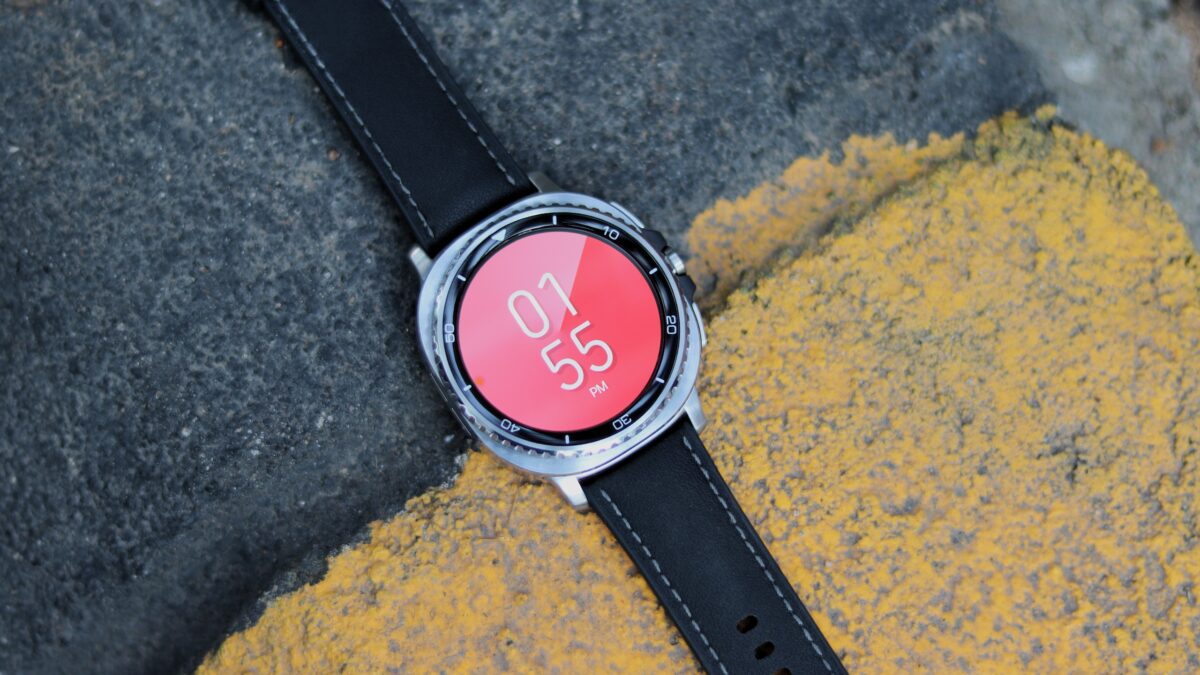
According to a fresh report emerging from South Korea, Samsung is currently in the process of building a specialized manufacturing line for Micro LED displays designed for smartwatches. This strategic move indicates that the company is moving beyond the conceptual phase and into the physical preparation for high-volume output. The facility, located in Asan, Chungcheongnam-do, is expected to receive its primary manufacturing equipment within this year.
Mass Production Timeline and Strategic Goals
While the construction is a significant step, the transition to full-scale mass production depends on the performance of the initial test lines. Samsung Display is taking a calculated approach, ensuring that the technology meets the rigorous standards required for small-form-factor devices. If the test production yields successful results and meets the internal demand from Samsung’s mobile division, we could see the first Samsung Display Micro LED smartwatch screens rolling off the line by the latter half of 2026.
This timeline perfectly aligns with the anticipated launch of the Galaxy Watch 10. Such a significant hardware upgrade would serve as a perfect "decennial" feature for the series. Micro LED technology offers numerous advantages over traditional OLED, including higher peak brightness, improved energy efficiency, and a longer lifespan without the risk of burn-in—critical factors for a device that is often used outdoors and features static "Always-On Display" elements.
The race for Micro LED in wearables has been a challenging one. Industry giant Apple had previously explored the idea for its own Apple Watch line but reportedly shelved the project due to the extreme technical difficulties and high costs associated with the manufacturing process. However, Samsung's deep vertical integration and its position as a global leader in display innovation give it a distinct advantage. By successfully navigating these manufacturing hurdles, Samsung could establish a significant technological lead in the premium smartwatch market.
What exactly is Micro LED technology and why is it better for a watch?
Micro LED is a display technology that uses microscopic LEDs as individual pixels. Unlike OLED, which uses organic compounds, Micro LED uses inorganic materials. This allows for much higher brightness levels, which is vital for seeing your watch in direct sunlight, and it significantly reduces power consumption, potentially leading to much longer battery life for your smartwatch.
When will we see the first Samsung watch with this new screen?
If the current facility construction and testing phases proceed without delays, the technology is expected to be ready for mass production by the second half of next year. This suggests that the Galaxy Watch 10 series, likely launching in late 2026, would be the primary candidate for this major hardware upgrade.
Where is the new display facility being built?
The report indicates that the production facility is being established in Asan, located in the Chungcheongnam-do province of South Korea. This region is a major hub for Samsung Display’s manufacturing operations.
Did Apple really give up on Micro LED for its watches?
Industry reports suggest that Apple did halt its internal Micro LED project for the Apple Watch. The primary reasons cited were the complexity of the manufacturing process and the difficulty in making the technology cost-effective for a consumer device. This leaves a massive opening for Samsung to pioneer the technology in the wearable space.
🔎 The establishment of this new production facility marks a pivotal moment in the evolution of the Galaxy Watch. By investing heavily in Micro LED infrastructure, Samsung is not just upgrading a screen; it is committing to a future where wearables are more durable, more efficient, and visually superior to anything currently on the market. As we look toward 2026, the prospect of a Micro LED-equipped Galaxy Watch 10 represents the next great leap for the industry.
Post a Comment