
Samsung Galaxy XR Performance Patch: Fixing Frame Drops and Memory Leaks
The Galaxy XR, celebrated as the world’s inaugural Android-based XR headset, initially garnered widespread acclaim following its debut last year. However, the user experience hit a significant snag recently as owners began reporting debilitating performance issues, including severe frame drops and UI stuttering. Fortunately, Samsung has officially addressed these concerns by rolling out a critical software update designed to restore the device's fluidity.
Article Summary:
- ✨ Samsung releases firmware update I610UEU2AZD8 to fix Galaxy XR lag.
- ✨ The performance issues were traced back to a critical memory leak.
- ✨ Users report smoother UI and improved tracking post-installation.
- ✨ Some reports of screen tearing have emerged following the patch.
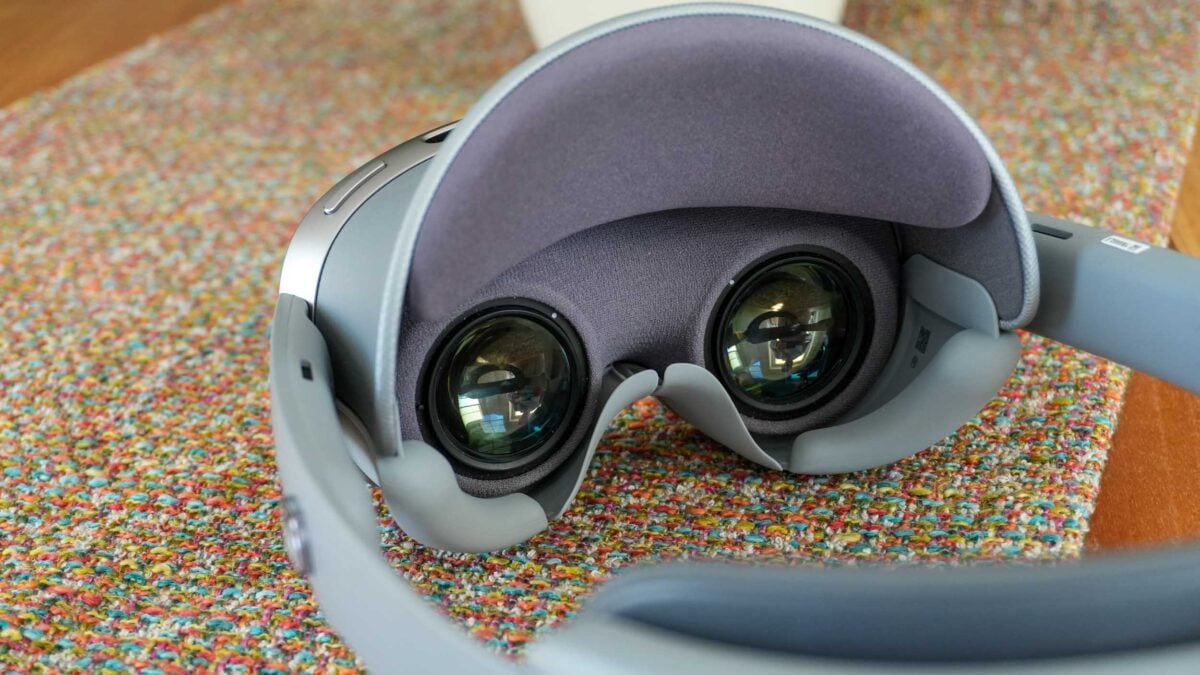
Resolving the Galaxy XR Stuttering and Frame Drop Crisis
Following the deployment of the April 2026 update, the Galaxy XR community noticed a sharp decline in system stability. The issues ranged from erratic frame drops to unresponsive tracking, which severely hampered the immersive nature of the headset. Technical investigations eventually identified the culprit: a persistent memory leak that caused the system's resources to dwindle over time.
Reports indicated that the device's memory consumption would climb steadily after just a few minutes of operation. This resource drain eventually rendered the Samsung software nearly unusable, forcing users to frequently restart their headsets as a temporary workaround. In a collaborative effort, Samsung and Google worked swiftly to develop a permanent resolution.
The newly released firmware, identified by version I610UEU2AZD8, is now reaching users globally. Early feedback from the community suggests a significant improvement, with several owners confirming that the UI stuttering and performance bottlenecks have been successfully mitigated.
While the primary performance bugs have been squashed, the update is not without its minor quirks. A subset of users has noted instances of screen tearing, particularly when hands or controllers move rapidly across a virtual desktop environment. While less disruptive than the previous memory leak, it remains an area where further optimization may be required.
For those currently experiencing lag on their Galaxy XR, installing the latest patch is highly recommended. You can verify the availability of the update by navigating to Settings, selecting Software update, and then choosing Download and install to begin the process.
What exactly caused the Galaxy XR to lag after the April update?
The performance degradation was primarily caused by a memory leak issue. As the headset remained in use, its memory consumption would increase uncontrollably, eventually leading to severe frame drops and UI stuttering.
How can I check if I have the latest fix installed?
You should check your firmware version in the device settings. The patch that addresses the memory leak carries the version number I610UEU2AZD8.
Is the screen tearing issue a major concern?
Currently, screen tearing appears to be a minor visual artifact reported by a small number of users, specifically when moving controllers across virtual desktops. It is far less severe than the previous stuttering issues that made the device unusable.
Will this update improve tracking accuracy?
Yes, because the memory leak was affecting the overall system processing, resolving it has led to reports of more consistent and smoother tracking for both the headset and its controllers.
🔎 In conclusion, the release of firmware version I610UEU2AZD8 marks a vital turning point for Galaxy XR owners who have struggled with performance issues over the past month. By aggressively targeting the memory leak flaw, Samsung has restored the premium experience users expect from their flagship XR hardware. While minor bugs like screen tearing may still linger for some, the overall stability of the platform has seen a massive leap forward, ensuring the device remains a top contender in the evolving world of spatial computing.
Post a Comment