
Samsung Leading the AI Revolution: World’s First Seventh-Gen HBM4E Memory Chips Ship to Giants
Samsung Electronics has officially reclaimed its crown in the high-stakes memory market. After navigating initial hurdles with its previous generation of chips, the South Korean tech giant has made a monumental leap forward. The company announced that it has begun shipping samples of its seventh-generation high-bandwidth memory, known as HBM4E, to major industry partners. This move makes Samsung the first manufacturer in the world to reach this milestone, signaling a major shift in the landscape of AI technology and high-performance computing.
- ✨ Samsung becomes the first in the world to ship seventh-generation HBM4E memory samples.
- ✨ New chips deliver a 20% performance increase and 16% better power efficiency over HBM4.
- ✨ Features a per-pin speed of up to 16Gbps and a massive total bandwidth of 3.6TB/s.
- ✨ Built using advanced 10nm-class DRAM and 4nm logic base dies for enhanced reliability.
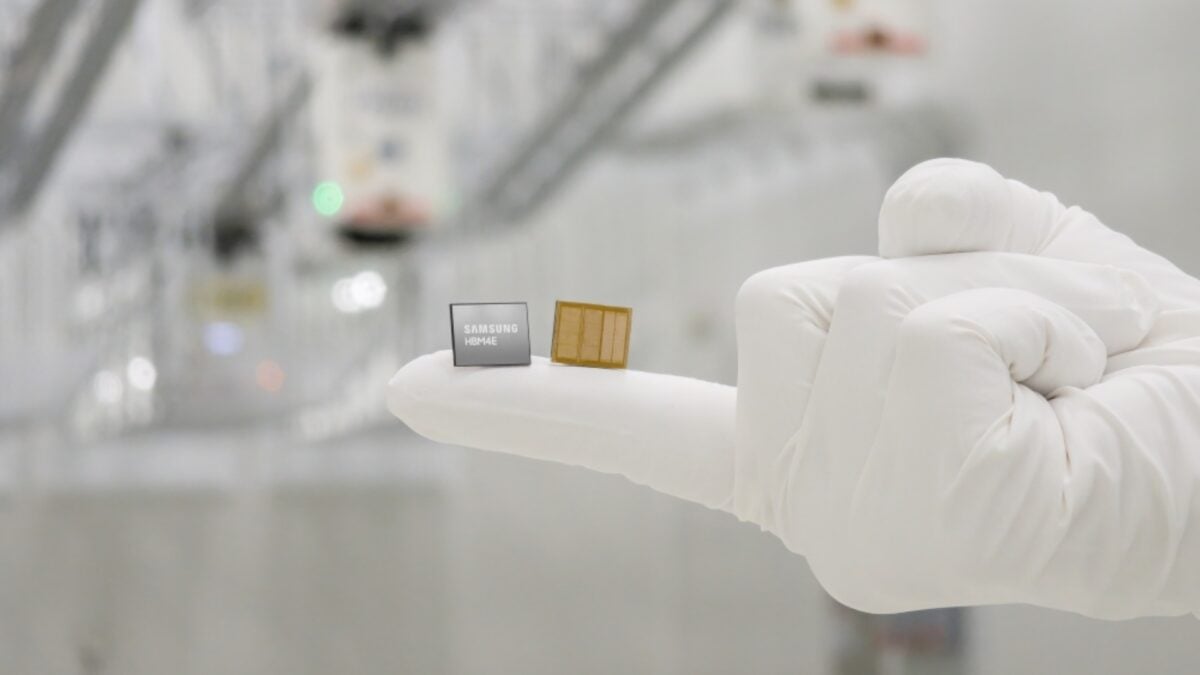
Unmatched Speed and Efficiency for AI Supercomputers
The newly unveiled Samsung memory chips represent a massive technical evolution. The HBM4E variant utilizes a sophisticated 12-layer structure, which allows it to outperform the standard HBM4 generation significantly. Specifically, these chips offer 20% faster processing speeds and a 16% improvement in power efficiency. For data centers and AI giants like Nvidia and AMD, these metrics are critical for reducing operational costs while maximizing output.
Samsung has confirmed that these chips offer a per-pin speed of 14Gbps, with the potential to scale up to 16Gbps under specific workloads. This results in a staggering total memory bandwidth of 3.6TB/s, providing the necessary "fuel" for the next generation of generative AI models and complex supercomputing tasks.
Advanced Manufacturing and Improved Reliability
The secret behind this performance boost lies in Samsung's cutting-edge fabrication process. The HBM4E chips are constructed using the company’s sixth-generation 10nm-class DRAM process (1c). Additionally, they integrate Samsung Foundry’s 4nm logic base die. This combination not only pushes the boundaries of speed but also improves manufacturing yields and thermal management.
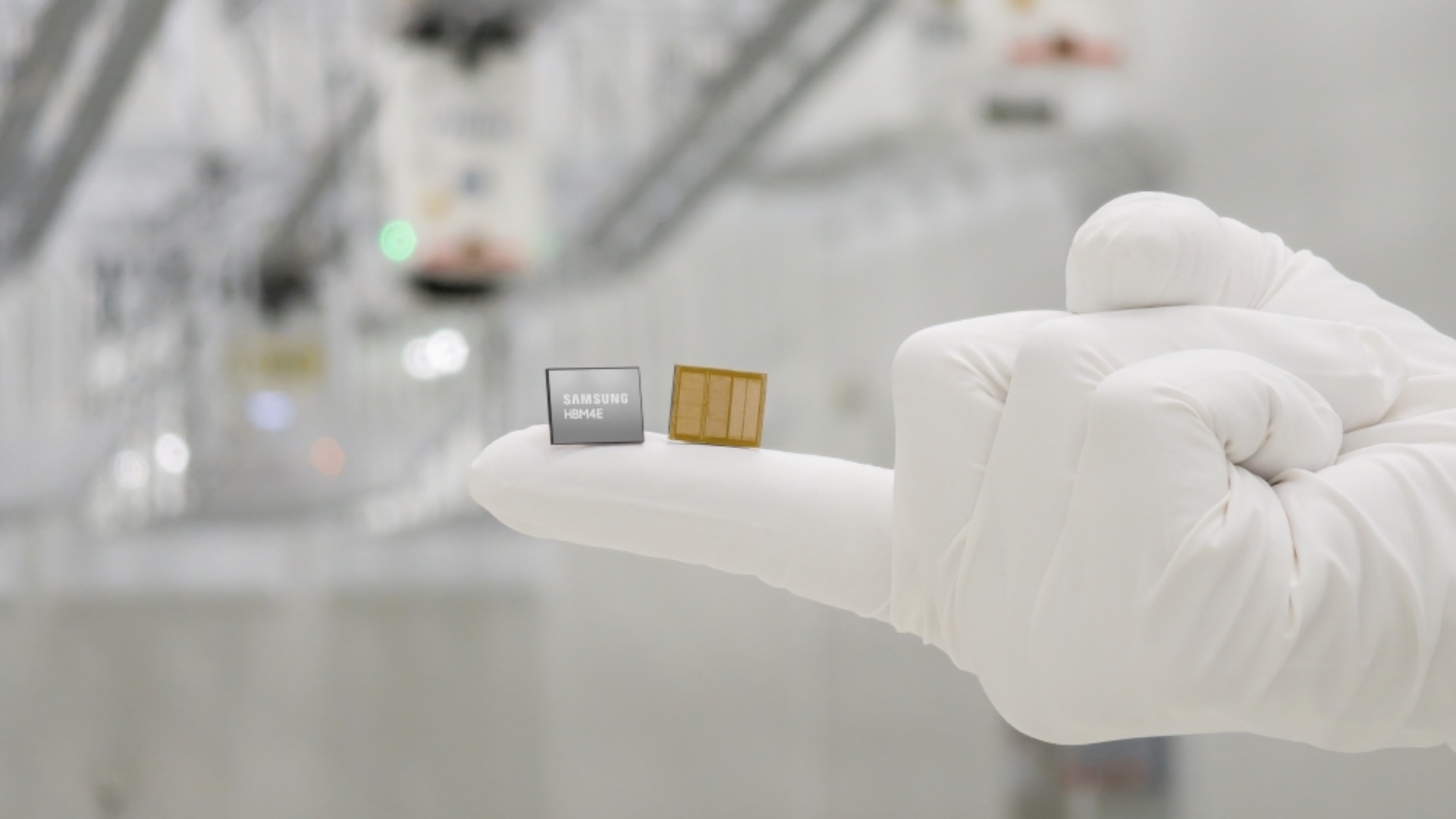
Thermal resistance—a common bottleneck in high-performance memory—has been improved by more than 14%. This enhancement ensures better heat dissipation, which is vital for maintaining stability and reliability during long-term AI training sessions. Samsung’s roadmap includes offering a 48GB capacity in a 12-layer configuration initially, with plans to expand the lineup to include 32GB (8-layer) and massive 64GB (16-layer) variants in the near future.
A Strong Vision for the Future of AI Memory
According to Samsung, customer feedback regarding the transition from HBM4 to HBM4E has been overwhelmingly positive. The company is positioning itself as a stable, high-volume supplier for the rapidly expanding AI market. By investing heavily in infrastructure and preemptive research, Samsung aims to stay ahead of competitors in the semiconductor space.
Sang Joon Hwang, Executive Vice President and Head of Memory Development at Samsung Electronics, emphasized the company's commitment: "Following the successful mass production of HBM4, Samsung has once again demonstrated its distinct technological edge with HBM4E. Through our advanced manufacturing capabilities and preemptive infrastructure investments, we will continue to drive the growth of the global AI memory market."
What is HBM4E and why is it important for AI?
HBM4E stands for High Bandwidth Memory 4 Extended. It is the seventh generation of specialized memory designed to sit very close to a processor (like a GPU). It is crucial for AI because it allows massive amounts of data to be moved at incredible speeds, which is necessary for training large language models and running complex simulations.
How does HBM4E compare to the previous HBM4 generation?
Samsung's HBM4E offers a 20% boost in performance and is 16% more power-efficient than the standard HBM4. It also features improved thermal resistance by 14%, meaning it stays cooler even when handling heavy workloads.
What are the storage capacities of these new chips?
Samsung is currently shipping 48GB samples in a 12-layer configuration. However, they have confirmed plans to release 32GB (8-layer) and 64GB (16-layer) versions to meet different customer needs in the data center market.
Which companies are likely to use Samsung's HBM4E?
While specific customer lists are confidential, the primary users of this technology are AI hardware giants like Nvidia and AMD, who require the fastest possible memory for their next-generation AI GPUs and supercomputing hardware.
🔎 This breakthrough by Samsung marks a pivotal moment in the semiconductor industry. By being the first to ship HBM4E samples, Samsung has not only proven its technical resilience but also secured a strategic advantage in the AI arms race. As the demand for more powerful and efficient AI hardware continues to skyrocket, the delivery of these seventh-generation chips will likely play a foundational role in the next wave of technological innovation.
Post a Comment