
Samsung One UI 8.5 Brings Back Fan-Favorite DeX Auto-Hide Taskbar Feature
Samsung continues to refine its desktop-like mobile experience, proving that user feedback is a vital part of its software evolution. Last year, the tech giant introduced significant overhauls to its DeX platform, but while the modern look was appreciated, many power users felt the sting of losing several classic functionalities. With the rollout of the **One UI 8.5** update, Samsung is officially addressing these concerns by restoring a highly requested legacy feature: the ability to automatically hide the taskbar.
✨ Quick Article Summary:
- ✨ Restoration of the auto-hide taskbar functionality in DeX mode.
- ✨ Feature included in the latest One UI 8.5 update for Galaxy S26 devices.
- ✨ Improved screen real estate for an immersive full-screen experience.
- ✨ Simplified access via the "Connected Display" settings menu.
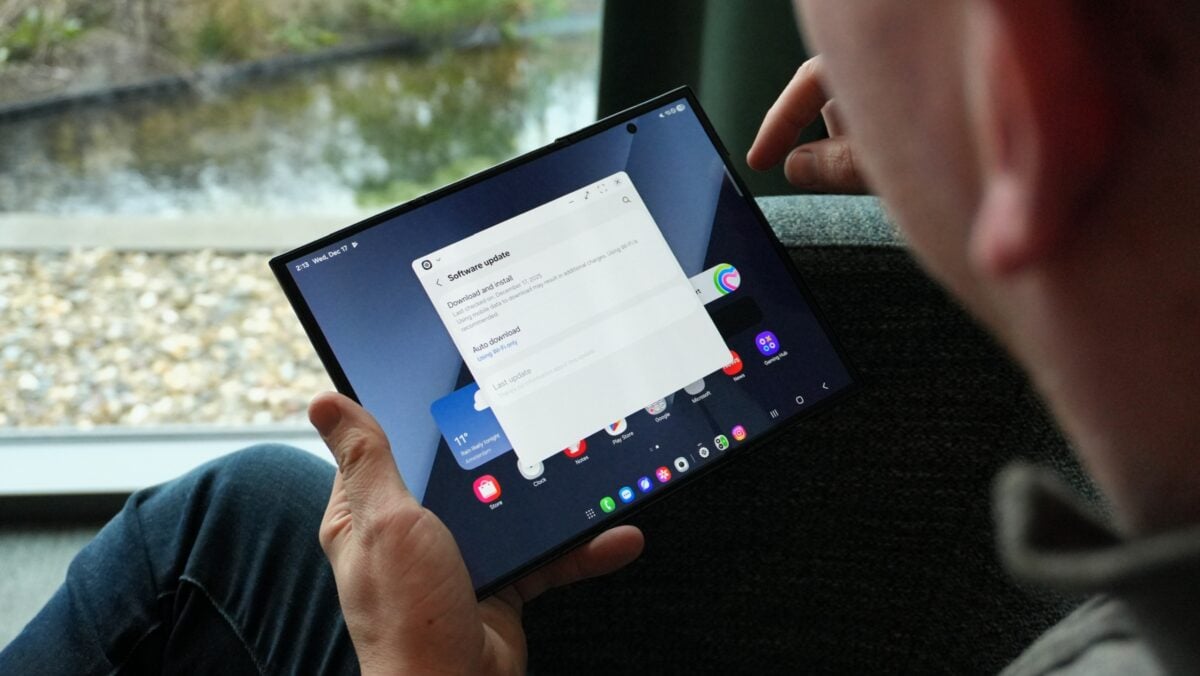
Samsung made ** major changes to its DeX software experience** last year. While the brand-new user interface was generally well-received for its modern aesthetics, some users missed the utility of legacy features. The latest update, however, signals a return to form for the platform.
The Simplicity of the Auto-Hide Taskbar Returns
Ever since the new iteration of **Samsung DeX** was introduced, the company has been gradually reintroducing removed features. This includes options for on-screen keyboard positioning and the ability to route audio through the speakers of a connected external display. The restoration of the auto-hide taskbar is the latest step in this trend.
The Auto-hide taskbar toggle is now officially back, as ** Click here to view the original report** in the recent One UI 8.5 update for the Galaxy S26 series. Users who found the permanent taskbar distracting can now reclaim their screen real estate with ease.
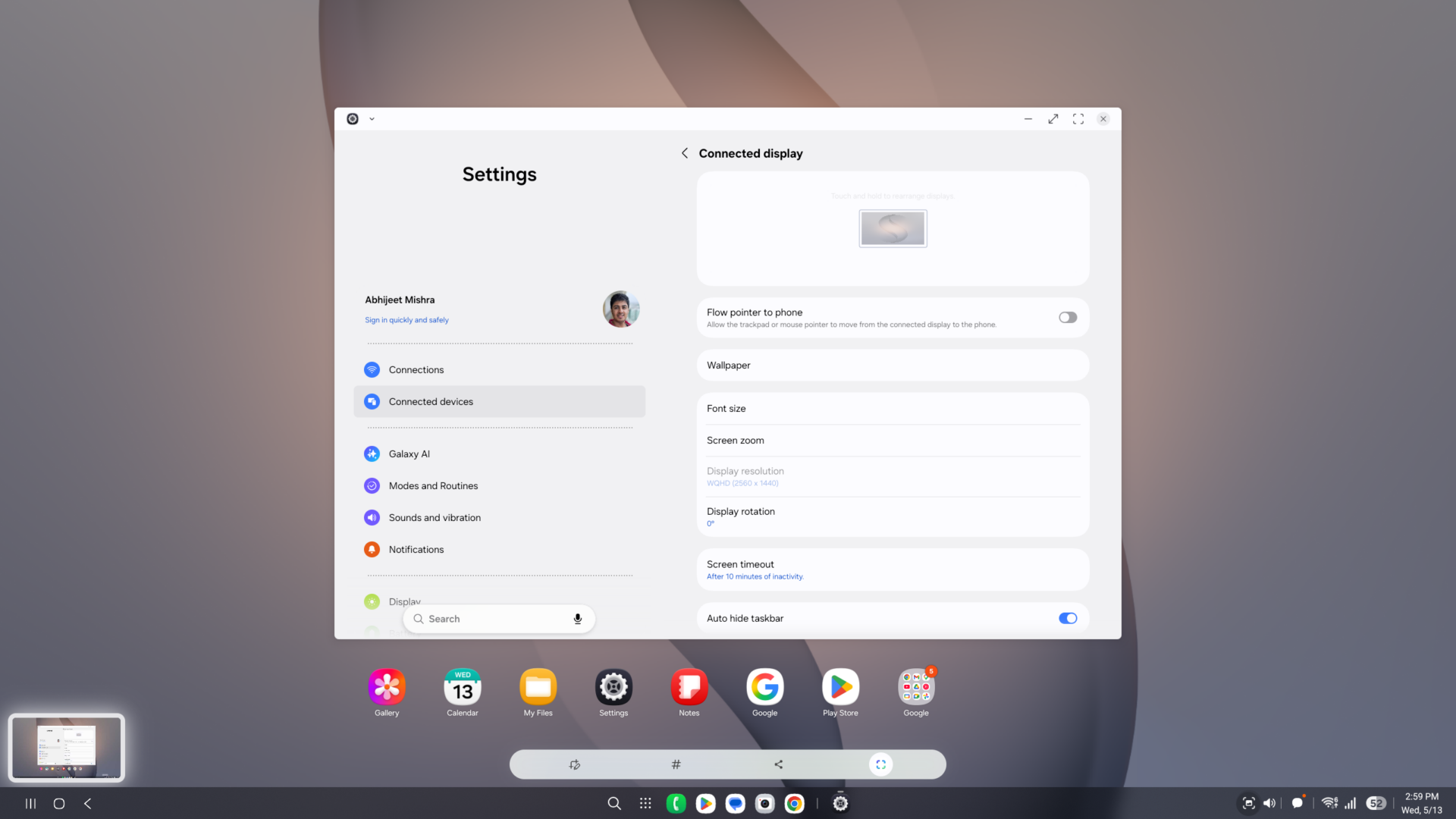
To enable this feature, users simply need to navigate to the *Connected display menu* within the Samsung DeX section of the Settings app. The toggle is conveniently located right below the screen timeout adjustments. This addition significantly improves the user experience, as DeX users no longer have to worry about manually hiding the taskbar every time they want to work in a full-screen environment.
While Samsung did introduce an "immersive mode" with the revamped DeX last year, it only triggered when apps were maximized. The dedicated auto-hide toggle is a much more effective and simple solution for those who prefer a clean, desktop-like workspace at all times.
Which devices are receiving the One UI 8.5 update?
The One UI 8.5 update, which includes the restored DeX features, is currently being rolled out to the Galaxy S26 series. It is expected to eventually reach other flagship devices that support the Samsung DeX platform.
How do I enable the auto-hide taskbar in Samsung DeX?
You can enable this by opening the Settings app while in DeX mode, navigating to the "Connected display" menu, and switching on the "Auto hide taskbar" toggle located under the screen timeout settings.
Does the taskbar stay hidden all the time?
No, once enabled, the taskbar will disappear when not in use. You can simply hover your mouse cursor at the bottom of the screen (or swipe up on a touchscreen) to make the taskbar reappear instantly.
What other DeX features has Samsung brought back recently?
In addition to the auto-hide taskbar, Samsung has recently restored options for custom on-screen keyboard placement and the ability to choose whether audio plays through the mobile device or the connected monitor's speakers.
🔎 In conclusion, Samsung’s decision to bring back the auto-hide taskbar in One UI 8.5 highlights their commitment to the desktop experience on mobile. By listening to power users and restoring these simple yet effective tools, they are ensuring that DeX remains the most productive and versatile desktop mode available on any smartphone today.
Post a Comment