
Samsung Surges in Foldable Market: Shipments Double as Huawei Faces Declining Dominance
The global foldable smartphone landscape witnessed a significant shift during the first quarter of 2026. While the overall market faced challenging conditions with double-digit declines in both shipments and revenue, specific players managed to defy the downward trend. Most notably, Samsung emerged as a powerhouse during this period, leveraging its latest innovations to capture a much larger slice of the industry pie, even as competition remains fierce in key regions like China.
Article Executive Summary:
- ✨ Samsung nearly doubled its global foldable market share, rising from 14% to 25% year-over-year.
- ✨ The Galaxy Z Fold 7 and Galaxy Z Flip 7 are the primary drivers behind this massive growth.
- ✨ Huawei maintains its lead but saw a sharp decline in market share from 54% to 40%.
- ✨ Samsung's global reach and access to North American markets provide a structural advantage over Chinese rivals.
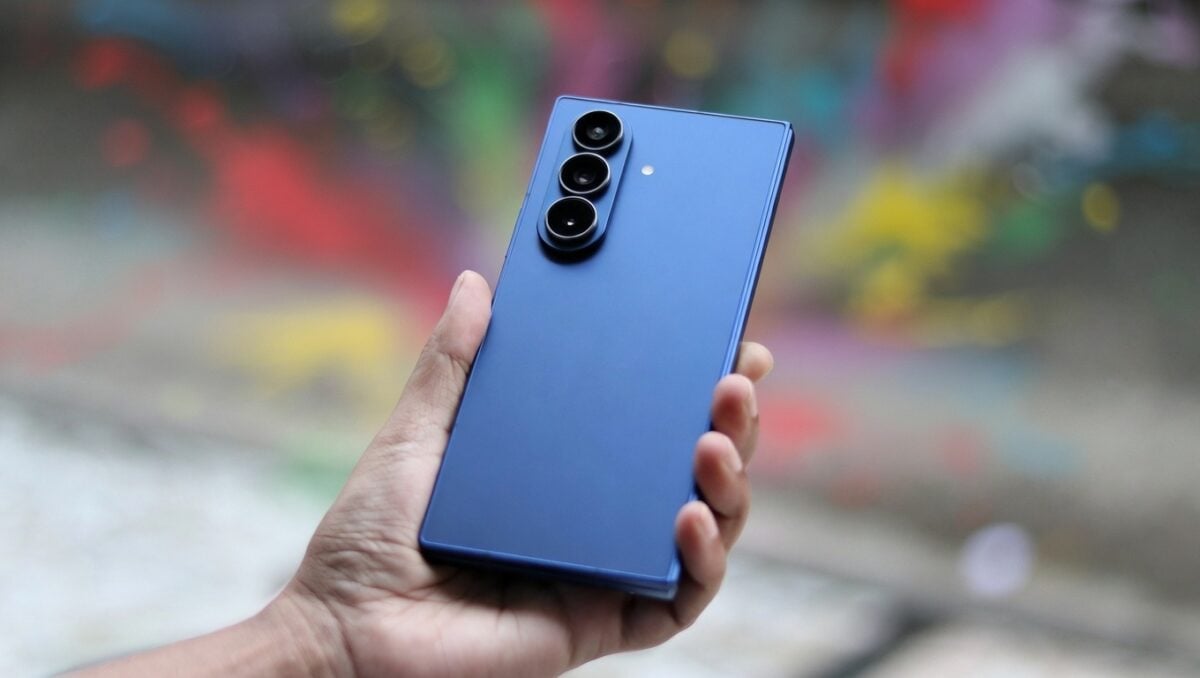
Samsung’s Rapid Ascent in the Foldable Sector
According to recent data, Samsung has achieved the most substantial share gain among all manufacturers in the foldable segment. During Q1 2026, the tech giant saw its shipment share jump to 25%, a remarkable increase from the 14% recorded in Q1 2025. This growth wasn't limited to volume alone; the company's value share also skyrocketed from 16% to 31%, indicating that consumers are increasingly opting for Samsung's premium foldable offerings.
This success is largely attributed to aggressive marketing and channel promotions for the Galaxy Z Fold 7 and the Galaxy Z Flip 7. These efforts were particularly effective in South Korea and Japan, while a growing appetite for foldables in North America and Europe further bolstered the numbers. Unlike many of its competitors, Samsung enjoys a "structural advantage" due to its global footprint, allowing it to thrive in markets where Chinese brands like Huawei have limited or no access.
| Market Metric (Q1) | Samsung 2025 | Samsung 2026 | Huawei 2025 | Huawei 2026 |
|---|---|---|---|---|
| Shipment Share | 14% | 25% | 54% | 40% |
| Value Share | 16% | 31% | N/A | N/A |
Huawei Maintains the Lead Despite Market Contraction
While Samsung is closing the gap, Huawei continues to hold the title of the world's leading foldable smartphone vendor. This dominance is primarily fueled by massive demand within China, a market where Samsung has struggled to gain significant traction. However, the data reveals that Huawei’s grip is loosening; its market share fell from a commanding 54% in Q1 2025 to 40% in Q1 2026.
Industry analysts suggest that this decline is due to a combination of factors, including intensifying competition from other domestic rivals and a slight softening in demand from premium consumers within the Chinese market. For a deeper look at the analytical data, you can check the Smart Analytics Global Link.
How much did Samsung's market share grow?
Samsung's shipment share nearly doubled, growing from 14% in the first quarter of 2025 to 25% in the first quarter of 2026. Their value share also saw a massive jump to 31%.
Which specific models helped Samsung increase its share?
The primary drivers for Samsung's growth were the Galaxy Z Fold 7 and the Galaxy Z Flip 7, supported by strong promotional campaigns in South Korea and Japan.
Is Huawei still the top foldable manufacturer?
Yes, Huawei remains the leader in the global foldable market with a 40% share as of Q1 2026, though this is a significant drop from the 54% share they held the previous year.
Why is Samsung doing better in North America than Huawei?
Samsung has a structural advantage because it has full access to the North American and European markets, whereas Huawei's sales are largely concentrated in China due to various trade restrictions and market dynamics.
What caused the decline in Huawei's market share?
The decline was caused by increased competition from other manufacturers and a decrease in demand among high-end smartphone buyers in China.
🔎 In summary, the foldable smartphone market is undergoing a period of intense transformation. While the overall sector faced a dip in early 2026, Samsung’s strategic expansion and the successful launch of its seventh-generation foldables have allowed it to reclaim significant territory. As competition heats up and technology matures, the battle between Samsung’s global versatility and Huawei’s regional dominance will likely define the next era of mobile innovation.
Post a Comment