
Samsung Unveils Flex Chroma Pixel OLED: A Breakthrough in Mobile Display Brightness and Color
Samsung Display has once again cemented its position as the global pioneer in screen innovation by showcasing its latest technological marvel at the Society for Information Display (SID 2026) expo. The company introduced a groundbreaking smartphone OLED panel that solves a long-standing industry dilemma: maintaining extreme color accuracy while reaching record-breaking brightness levels. This new technology promises to redefine the visual experience for future mobile users.
- ✨ Features a peak brightness of 3,000 nits in High Brightness Mode (HBM).
- ✨ Achieves an unprecedented 96% coverage of the BT.2020 color gamut.
- ✨ Utilizes new Phosphorescent Sensitized Fluorescence (PSF) material for better purity.
- ✨ Incorporates polarizer-free LEAD technology to reduce power consumption.
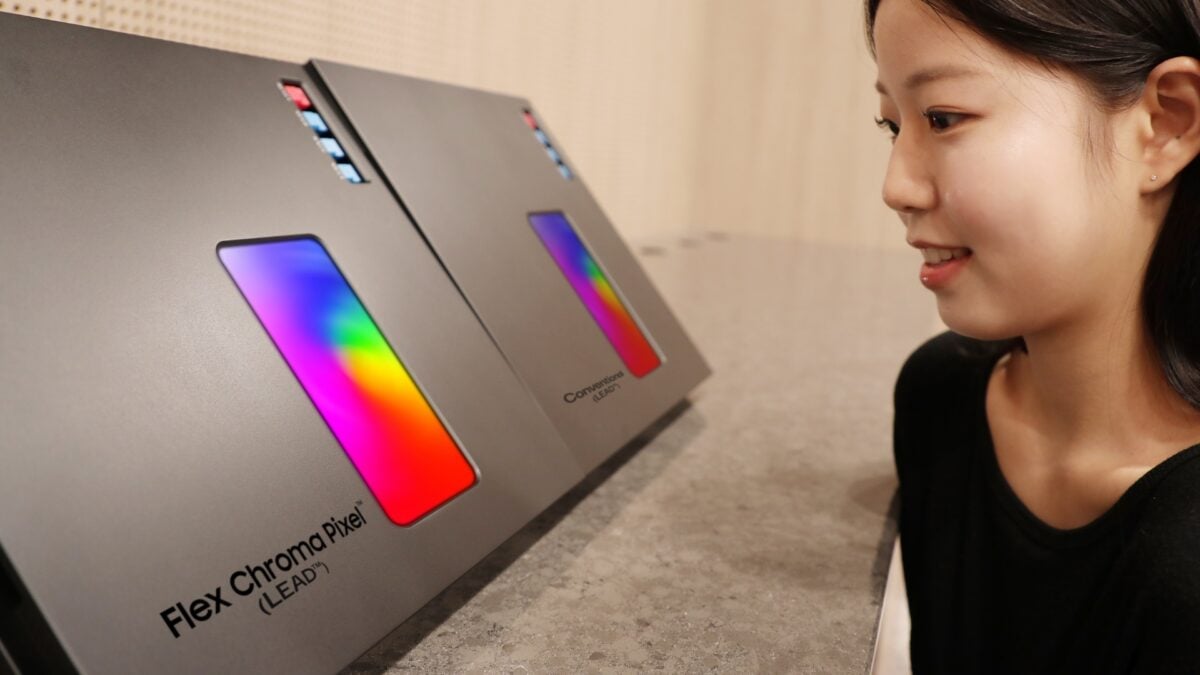
The Power of Flex Chroma Pixel: 96% BT.2020 Coverage
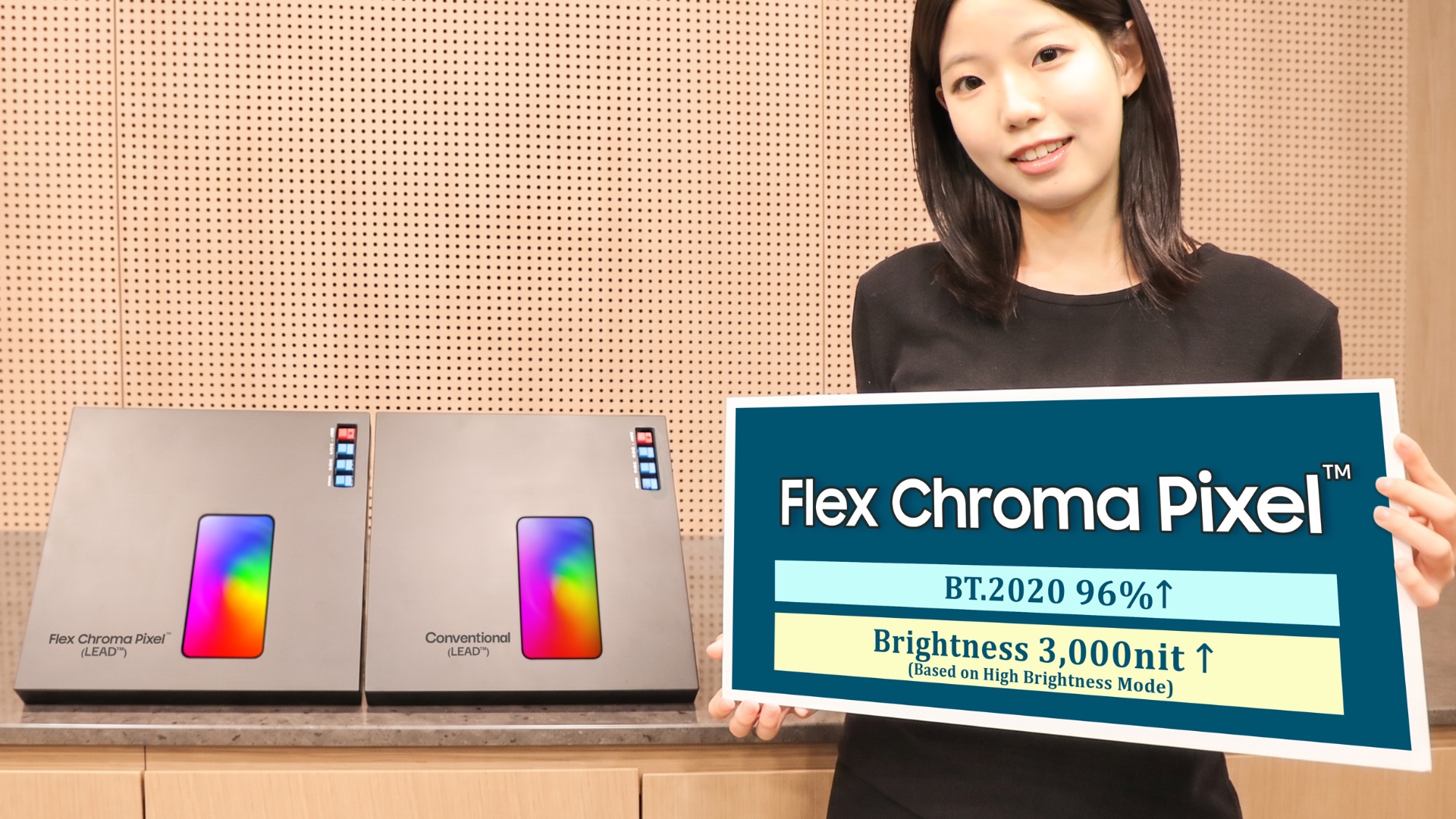
In the world of display technology, OLED panels often struggle with color desaturation when pushed to their maximum brightness. Samsung’s new "Flex Chroma Pixel" OLED panel changes this narrative. It is engineered to cover up to 96 percent of the BT.2020 color space, all while hitting a staggering 3,000 nits of brightness. This ensures that even in direct sunlight, the colors remain as vivid and accurate as they would be in a dark room.
This achievement is made possible through the integration of Samsung Display's LEAD technology. By utilizing a polarizer-free structure, the panel allows for higher light output without requiring more energy. As a result, users get a brighter screen with lower power consumption, a critical factor for modern smartphone battery life. For more information on why Samsung is a Leader in OLED technology, you can explore their current market dominance.
Innovative Materials for Future Galaxy Devices
At the heart of this advancement is a newly developed emissive material known as Phosphorescent Sensitized Fluorescence (PSF). This material is specifically designed to enhance color purity and reproduction. By optimizing the optical structure and material performance, Samsung has created a panel that is not only bright but also exceptionally durable.
Industry experts anticipate that this technology will likely debut in upcoming flagship devices, such as the Galaxy S and Galaxy Z series. The BT.2020 standard, which is significantly broader than the DCI-P3 standard used in most current smartphones, is the benchmark for 4K and HDR broadcasting. Bringing this level of color precision to a handheld device represents a major leap forward for Samsung Display and the mobile industry at large.
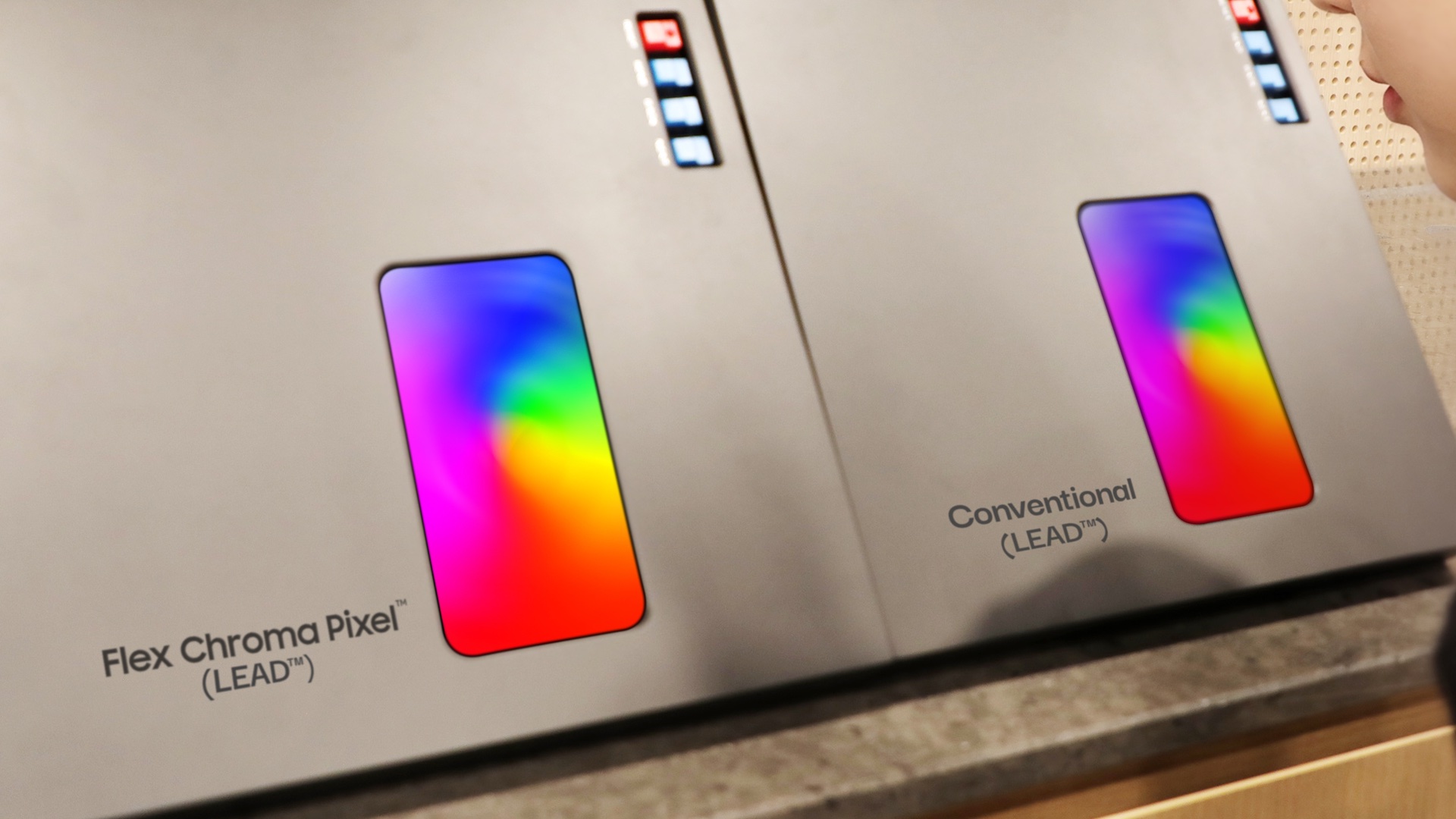
According to a company representative, while some competitors have sacrificed brightness to meet color standards, Samsung has optimized both. The Flex Chroma Pixel secures a long operational lifetime and high brightness without compromising the wide color gamut, thanks to the synergy between their material science and the LEAD optical structure. This development ensures that the next generation of Super AMOLED and OLED screens will be more impressive than ever.
What is the significance of the 3,000 nits brightness level?
The 3,000 nits peak brightness ensures that the smartphone screen remains perfectly legible even under intense, direct sunlight. It also enhances the HDR (High Dynamic Range) experience, making highlights in videos look more realistic and vibrant.
How does BT.2020 compare to the standard DCI-P3 color gamut?
BT.2020 is a much wider color space than DCI-P3, covering about 1.7 times more color area. It is the standard used for high-end 4K and 8K Ultra HD content, meaning the new panel can display colors that were previously impossible to see on a mobile screen.
What is PSF material and why does it matter?
PSF stands for Phosphorescent Sensitized Fluorescence. It is a new type of emissive material that improves the efficiency and color purity of the OLED pixels, allowing the screen to be both brighter and more colorful without significantly increasing power draw.
When will we see this display on actual smartphones?
While no specific date was given, Samsung Display usually showcases technology at SID that is ready for mass production within the next one to two years. It is highly likely to appear in future Galaxy S or Galaxy Z Fold flagship models.
🔎 In conclusion, Samsung Display’s Flex Chroma Pixel technology marks a significant milestone in the evolution of mobile screens. By successfully combining 3,000 nits of brightness with 96% BT.2020 color coverage, Samsung is not just improving visibility but also bringing professional-grade color accuracy to the palm of our hands. As we look toward the next generation of flagship smartphones, it is clear that the visual bar has been set higher than ever before.
Post a Comment