
Samsung's Exynos 2600 Breakthrough: How Heat Pass Block Beats Liquid Nitrogen Cooling
For years, the narrative surrounding Samsung’s proprietary mobile processors has been dominated by one major flaw: thermal management. Tech enthusiasts and gamers often preferred Qualcomm’s Snapdragon variants because they ran cooler and maintained peak performance longer. However, the tide appears to have turned significantly with the introduction of the latest flagship Exynos 2600, which is setting new benchmarks for efficiency and heat dissipation.
✨ Quick Highlights
- ✨ Samsung's new Heat Pass Block technology drastically reduces chipset temperatures.
- ✨ The Exynos 2600 maintains lower temps than a liquid nitrogen-cooled Snapdragon 8 Elite Gen 5.
- ✨ Copper heatsinks placed directly on the die allow for superior thermal conductivity.
- ✨ Real-world gaming performance is now more stable on the Galaxy S26 series.
- ✨ Qualcomm is reportedly considering adopting similar technology for future chips.
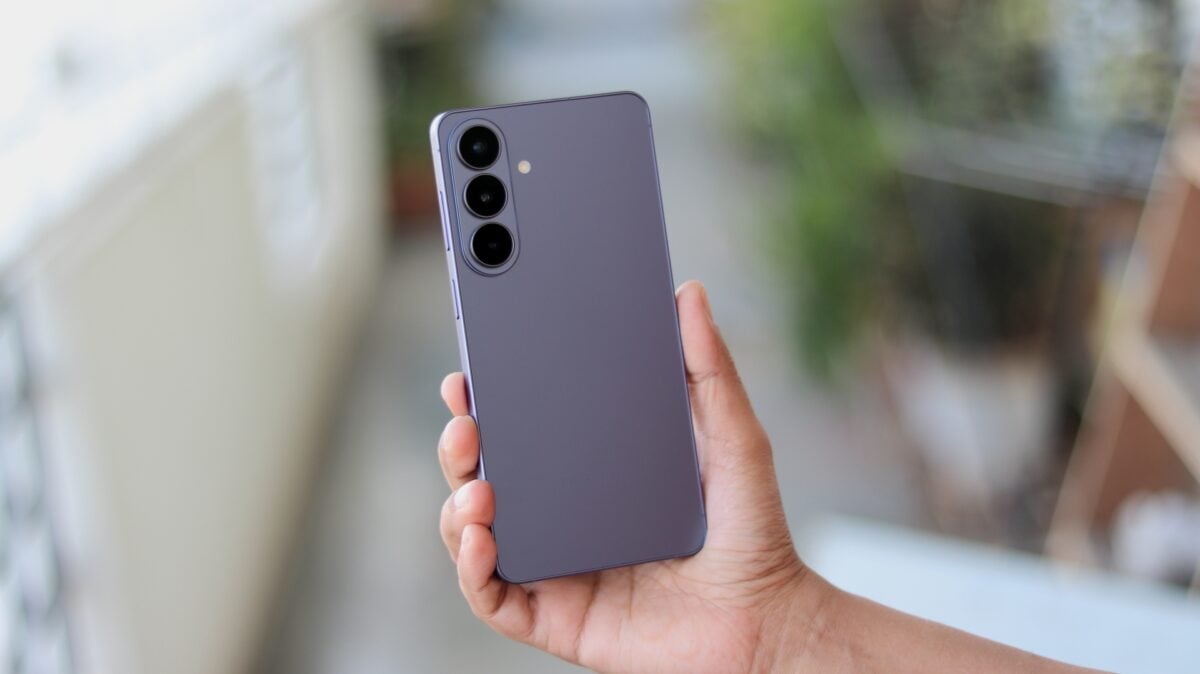
Historically, Exynos chipsets would hit high temperatures much faster than their Snapdragon counterparts. This led to aggressive thermal throttling, where the device would intentionally slow down to prevent damage, resulting in dropped frame rates and a sluggish user experience. With the Galaxy S26 series, Samsung took a radical approach by implementing "Heat Pass Block" technology, and the results are nothing short of shocking.
The Heat Pass Block: Working Exactly as Advertised
Recent testing conducted by popular tech YouTuber Geekerwan has highlighted the sheer effectiveness of Samsung's new cooling architecture. In a controlled test environment, the Exynos 2600, which powers the Galaxy S26 and S26+ in most global markets, demonstrated superior temperature management when compared to a Snapdragon 8 Elite Gen 5 device—even when the latter was assisted by extreme liquid nitrogen cooling.
The Heat Pass Block technology works by placing a specialized copper heatsink directly on top of the chipset die. This allows heat to be pulled away from the core components almost instantaneously. The video evidence shows that while the liquid nitrogen-cooled Qualcomm chip struggled to maintain its single-core clock speeds due to internal thermal complexities, the Exynos 2600 remained stable and remarkably cool.
Practical Cooling for the Average User
While the liquid nitrogen test is an extreme scenario, it proves the efficiency of the underlying hardware. For the average user, this means that thermal throttling on the Galaxy S26+ is no longer an inevitable hurdle. While some throttling can still occur under intense loads, it can be easily mitigated with simple accessories like a small clip-on fan. This is a far more practical solution for gamers than the extreme measures previously required to keep mobile chips from overheating.
Samsung’s innovation has not gone unnoticed by the competition. Industry reports suggest that Qualcomm is so impressed by the performance of the Heat Pass Block that it may adopt a similar design for its upcoming Snapdragon 8 Elite Gen 6 Pro chipset. This shift marks a rare moment where Samsung’s foundry and chip design divisions are leading the way in thermal innovation, potentially ending the "Exynos vs. Snapdragon" debate once and for all.
What exactly is Heat Pass Block technology?
It is a thermal management solution where a copper heatsink is placed directly onto the chipset die, allowing for faster and more efficient heat dissipation compared to traditional layered cooling methods.
Does the Exynos 2600 really outperform the Snapdragon 8 Elite Gen 5?
In terms of thermal stability and temperature management, tests show the Exynos 2600 runs cooler even when the Snapdragon chip is cooled by extreme methods like liquid nitrogen.
Will the Galaxy S26 still get hot during gaming?
While all mobile devices generate heat during intense tasks, the Exynos 2600 is designed to manage this heat much better, preventing the significant performance drops (throttling) seen in previous generations.
Is Qualcomm going to use Samsung's cooling technology?
Current reports indicate that Qualcomm may adopt a similar Heat Pass Block design for its next-generation Snapdragon 8 Elite Gen 6 Pro chips to compete with Samsung's thermal efficiency.
🔎 This breakthrough in thermal management represents a significant milestone for Samsung. By solving the overheating issues that plagued previous generations, the Exynos 2600 has transformed from a compromise into a competitive powerhouse. As mobile gaming and AI tasks become more demanding, the ability to stay cool under pressure will be the defining feature of the next era of smartphones, and Samsung is currently leading that charge.
Post a Comment