
Samsung’s Revolutionary Sensor OLED: Privacy Protection and Health Monitoring in One Display
Samsung Display has unveiled a groundbreaking smartphone OLED panel that merges high-end visual fidelity with sophisticated privacy features and integrated health monitoring. Known as the Sensor OLED Display, this innovative technology is currently being showcased at the Samsung OLED showcase during the Society for Information Display (SID) 2026 exhibition.
- ✨ High-resolution 500ppi panel offering flagship-level sharpness.
- ✨ Integrated organic photodiodes for heart rate and blood pressure tracking.
- ✨ Flex Magic Pixel technology for advanced on-screen privacy.
- ✨ Structural innovation using a co-deposition process for seamless sensor integration.
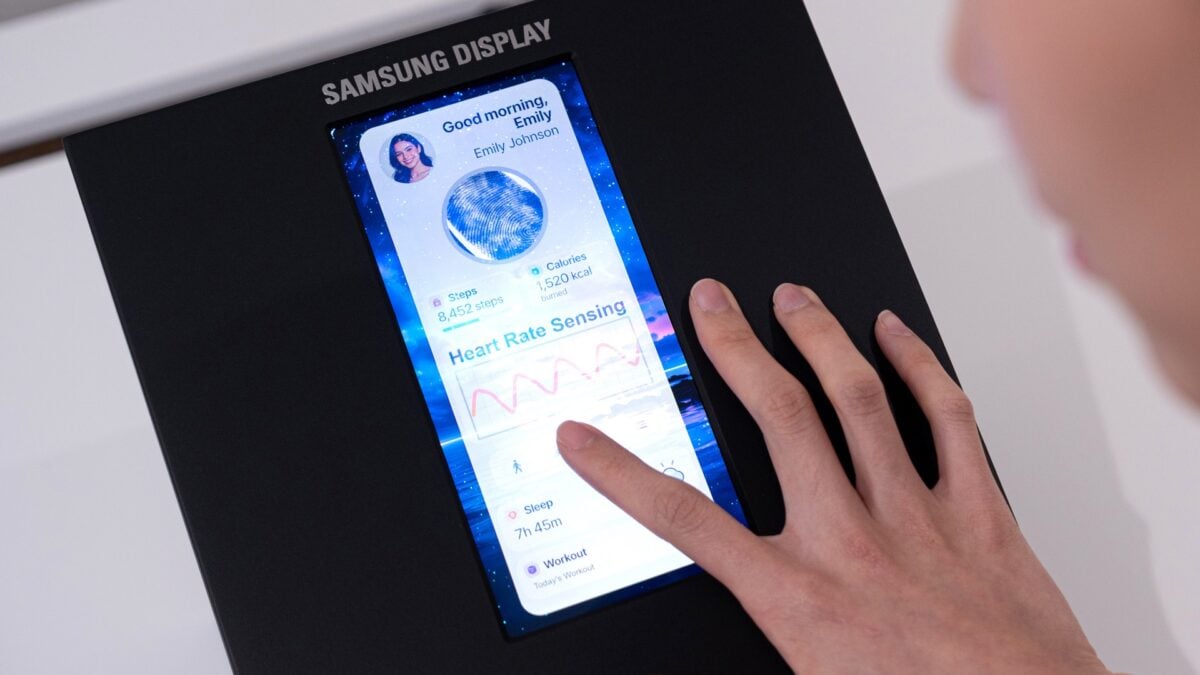
Integrated Health Monitoring: Measuring Vital Signs via Screen
The latest 6.8-inch iteration of the Sensor OLED Display boasts a significant upgrade in clarity, reaching a pixel density of 500ppi. This represents a 33 percent improvement over the previous year's 374ppi model, effectively matching the high standards of modern Smartphone Technology found in current flagship devices. By utilizing a specialized co-deposition process, Samsung Display has successfully embedded organic photodiodes (OPDs) alongside standard OLED elements within a single layer of the panel.
These OPDs utilize the light emitted from the display to capture biometric data, allowing users to measure their heart rate and blood pressure simply by touching the screen. While not explicitly detailed for this specific model yet, the underlying OPD technology is the same used in previous versions to enable full-screen fingerprint recognition, suggesting a future where the entire display acts as a biometric scanner.
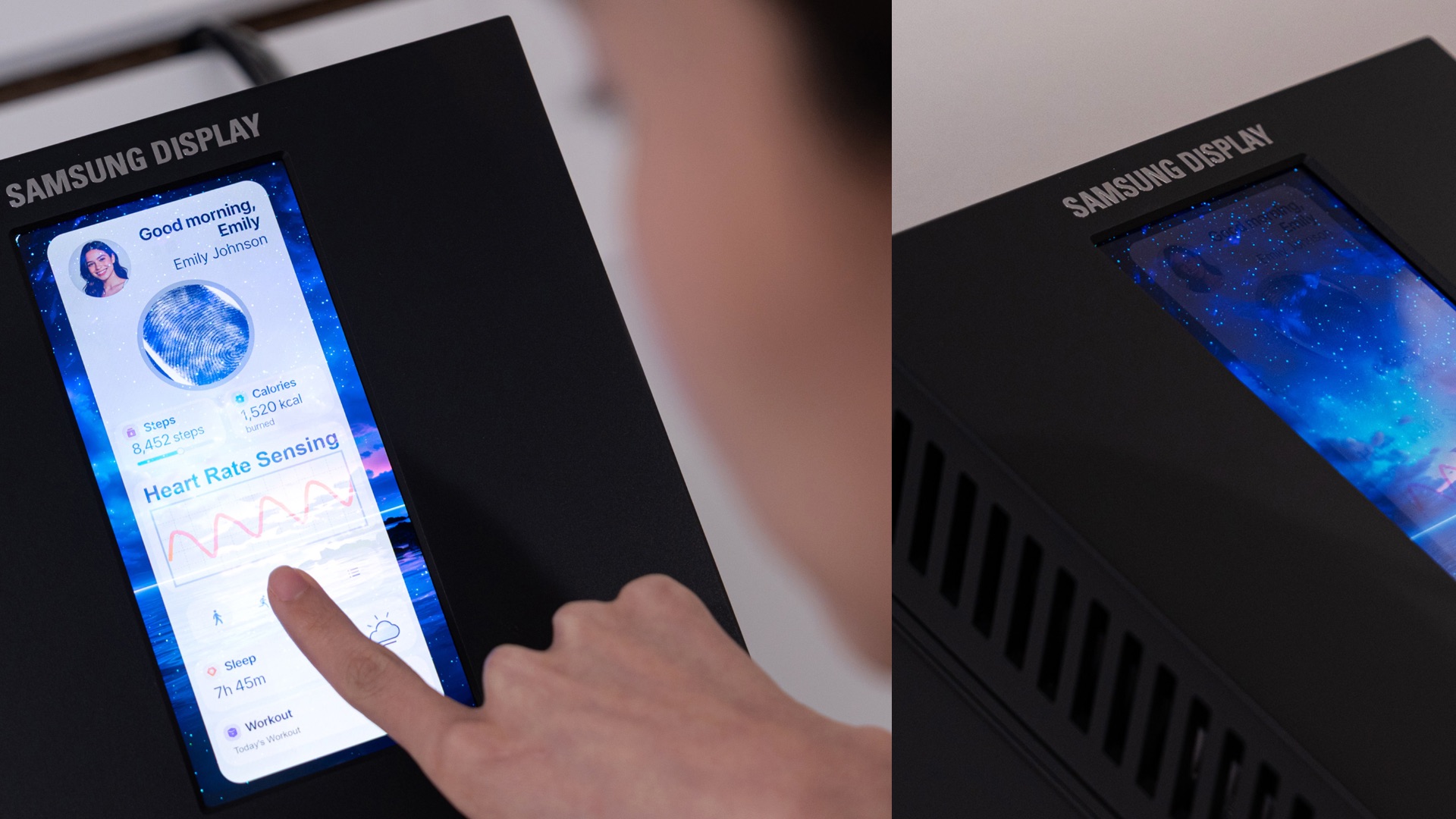
Flex Magic Pixel: Enhanced Privacy for Modern Users
Beyond health tracking, the new panel introduces Flex Magic Pixel technology. This system utilizes a clever arrangement of wide-angle and narrow-angle pixels. When a user requires privacy, the wide-angle pixels are deactivated, leaving only the narrow-angle pixels to transmit light. This focuses the display output directly in front of the user, making the screen appear dark or illegible to anyone looking from the side. This technology was a highlight of the Galaxy S26 Ultra launched earlier this year, where it was introduced to the market as Privacy Display.
A representative from Samsung Display highlighted the technical achievement, noting that arranging RGB pixels and OPD pixels in a single layer while maintaining a 500 PPI resolution was a major structural challenge. This was only made possible through advanced panel architecture and refined manufacturing controls.
What is the main benefit of the Samsung Sensor OLED Display?
The main benefit is the integration of biometric sensors (like heart rate and blood pressure monitors) and privacy features directly into the display panel itself, without needing external sensors or sacrificing screen resolution.
How does the heart rate monitor work on this screen?
The screen uses organic photodiodes (OPDs) that are co-deposited with the OLED pixels. These photodiodes detect the light reflected from your finger to calculate your heart rate and blood pressure.
What is the resolution of this new panel?
The new Sensor OLED Display features a pixel density of 500ppi, which is a 33% increase over previous prototypes and matches the sharpness of current high-end smartphones.
How does the Privacy Display feature protect my data?
It uses Flex Magic Pixel technology to narrow the viewing angle of the light. By turning off wide-angle pixels, the screen becomes visible only to the person directly in front of it, preventing prying eyes from seeing your content from the side.
Is this technology available in smartphones right now?
Similar privacy technology is already available in the Galaxy S26 Ultra. However, the fully integrated Sensor OLED with 500ppi and health monitoring is currently being showcased as the next step for future mobile devices.
🔎 In conclusion, Samsung Display continues to push the boundaries of what a smartphone screen can do. By transforming the display from a simple output device into an active sensor for both health and security, Samsung is paving the way for more compact and capable mobile devices. As these panels move from trade show floors to consumer hands, the way we interact with our phones—and how they monitor our well-being—is set to change forever.
Post a Comment