
Samsung’s Revolutionary Strategy: Liquid Cooling Technology for Future Galaxy Performance
Thermal management is rapidly becoming the ultimate frontier for smartphone innovation. As mobile processors become increasingly powerful to handle complex tasks like on-device AI and high-end gaming, heat has become the primary bottleneck. While Samsung Galaxy devices have consistently pushed the envelope in thermal management, a new shift toward active cooling solutions could redefine the performance standards of future flagship phones.
- ✨ Samsung is actively researching advanced liquid and air cooling systems for upcoming flagship models.
- ✨ A specialized research team has been established to eliminate thermal throttling in high-performance chipsets.
- ✨ Future devices may feature a sealed circulation system to keep internal temperatures stable under heavy loads.
- ✨ The goal is to unlock the full potential of next-generation hardware like the Exynos 2600.
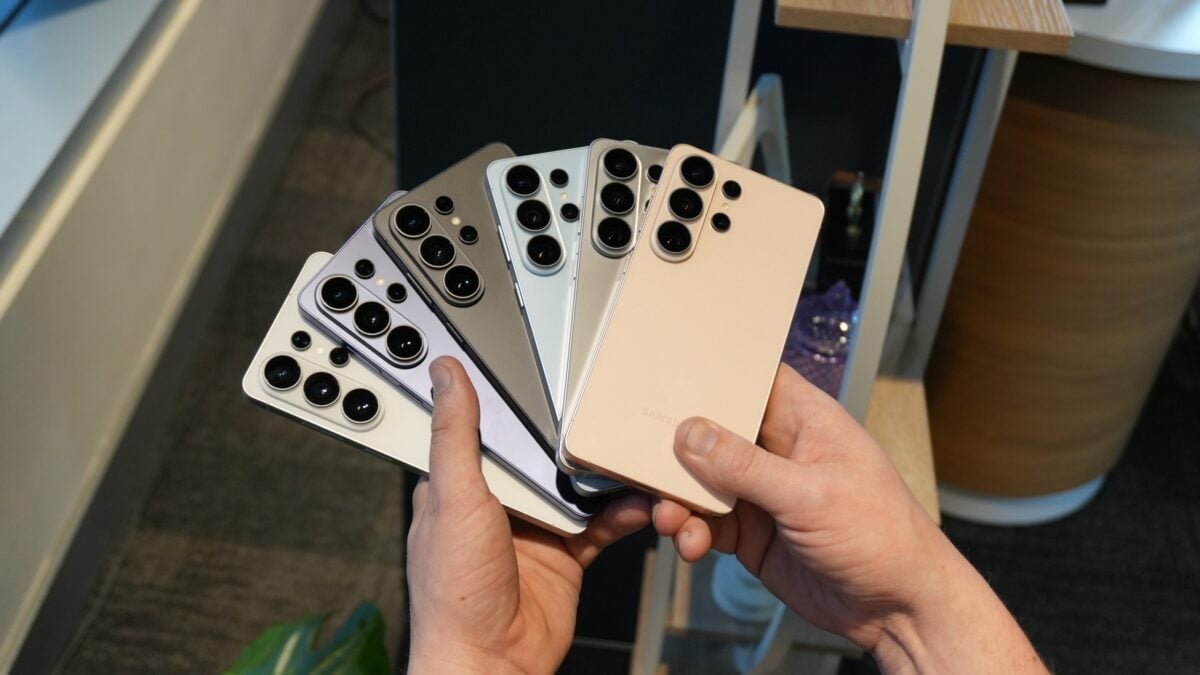
Thermal throttling remains a significant challenge for modern mobile devices. Performance often takes a noticeable hit when a chipset reaches high temperatures during intense workloads. Despite considerable advances in thermal management, there is still a massive opportunity for improvement to ensure that peak performance can be sustained for longer durations.
Recent reports originating from South Korea suggest that Samsung is exploring the implementation of an active liquid cooling system for its future Samsung Galaxy smartphones. This move would represent a departure from purely passive cooling methods, aiming to provide a more robust solution for the heat generated by modern AI-driven processors.
The Integration of Active Air and Liquid Solutions
Samsung has reportedly formed a dedicated research team at its Production Technology Research Institute. This group is tasked with evaluating various active cooling techniques, specifically liquid and air cooling. A liquid cooling system would work by circulating a coolant through a sealed, internal system designed to pull heat away from the core components efficiently.
Park Min, the lab director at the institute, indicated that the current focus is on a liquid cooling structure that connects directly to the chipset side. While air cooling—such as using internal fans—is highly effective, it brings challenges like increased device weight and audible noise. These are factors that Samsung's engineers are carefully weighing to ensure the premium user experience remains intact.
The concept of active cooling in smartphones is not entirely new. Brands like Nubia have already produced gaming smartphones that combine both liquid and air cooling, while Oppo and Vivo have experimented with active air cooling. Samsung’s entry into this space would signal that these technologies are moving from niche gaming peripherals into the mainstream flagship market.
Currently, many Samsung Galaxy high-end models utilize vapor chamber cooling. Furthermore, the upcoming Exynos 2600 chipset is expected to feature "Heat Pass Block" technology, which reportedly allows it to run cooler than competing processors like the Snapdragon 8 Elite Gen 5. However, as on-device AI becomes more demanding, these passive solutions may eventually need the support of active systems.
Why is Samsung moving toward liquid cooling for phones?
As mobile processors become more powerful, they generate more heat. Liquid cooling allows for more efficient heat dissipation than traditional passive methods, preventing "thermal throttling" where the phone slows down to cool itself off.
Will this make the phones thicker or louder?
This is one of the main challenges Samsung is researching. While air cooling (fans) can be noisy, a sealed liquid system is generally silent. Engineers are working to ensure these components fit within the slim profiles of modern Galaxy devices.
Which Galaxy model will get this technology first?
It is currently a mystery which specific device will debut these innovations. However, it is highly likely that the technology will first appear in the Ultra models or a dedicated gaming variant of the flagship series.
How does liquid cooling differ from current vapor chambers?
A vapor chamber is a passive system that relies on phase changes of a small amount of liquid. An "active" liquid cooling system would likely involve a more complex circulation mechanism to move heat away from the chipset more aggressively.
🔎 As the demand for on-device AI and desktop-class mobile gaming grows, the era of passive cooling may be coming to an end. Samsung’s strategic investment in active liquid cooling indicates a future where performance is no longer limited by temperature, ensuring that the next generation of Samsung Galaxy flagships can operate at peak capacity whenever the user needs it most.
Post a Comment