
Samsung’s Strategic Commitment to Eco-Friendly AI Home Appliances and Global Energy Efficiency Standards
The landscape of the modern household is undergoing a massive transformation, driven by the dual forces of artificial intelligence and a global necessity for sustainability. Samsung, a pioneer in the connected home space for over a decade, is doubling down on its promise to deliver next-generation appliances that are not only more autonomous but significantly more power-efficient. By aligning with international standards and integrating sophisticated energy-saving protocols, the tech giant is setting a new benchmark for how we interact with the machines that run our daily lives.
- ✨ Samsung officially signs the European Union’s Code of Conduct (CoC) for Energy Smart Appliances.
- ✨ New Bespoke AI appliances are now recognized as Energy Smart Appliances (ESAs) in the EPREL database.
- ✨ Integration with SmartThings Energy enables automated off-peak operation to reduce costs.
- ✨ The initiative promotes cross-brand interoperability for a more unified and efficient energy grid.
Pioneering the Future of Energy Smart Appliances (ESAs)
To solidify its leadership in the green technology sector, Samsung has formally adopted the European Union’s Code of Conduct (CoC) regarding interoperability and Energy Smart Appliances. This agreement is a major step toward a more synchronized energy ecosystem. The CoC is designed to accelerate the adoption of Samsung AI-driven devices that can communicate directly with energy systems. This allows for real-time adjustments in power consumption based on grid demand, ensuring that high-energy tasks are performed when it is most efficient for both the consumer and the environment.
Developed by the European Commission’s Joint Research Centre (JRC) and the Directorate-General for Energy, this initiative was created in collaboration with industry leaders. It focuses on breaking down the barriers between different communication protocols. By establishing a common language for energy-related data, Samsung ensures that its smart home appliances can contribute to a more stable and sustainable power network, regardless of the other hardware present in the home.
Intelligent Automation: The Role of SmartThings Energy
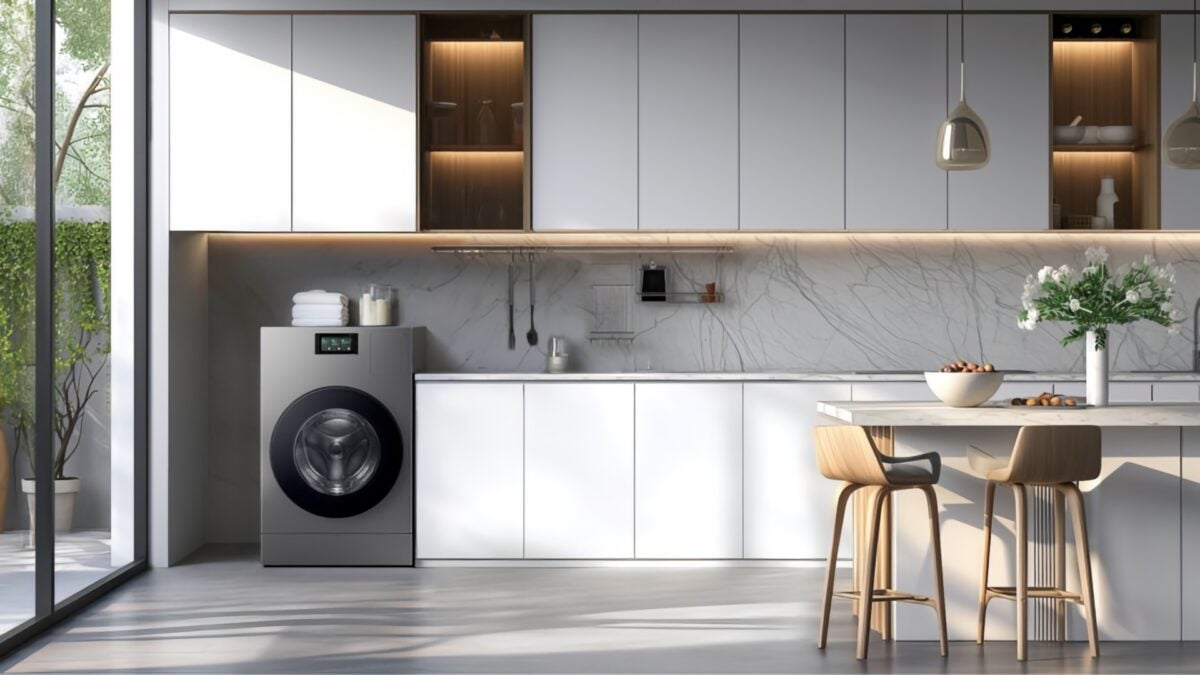
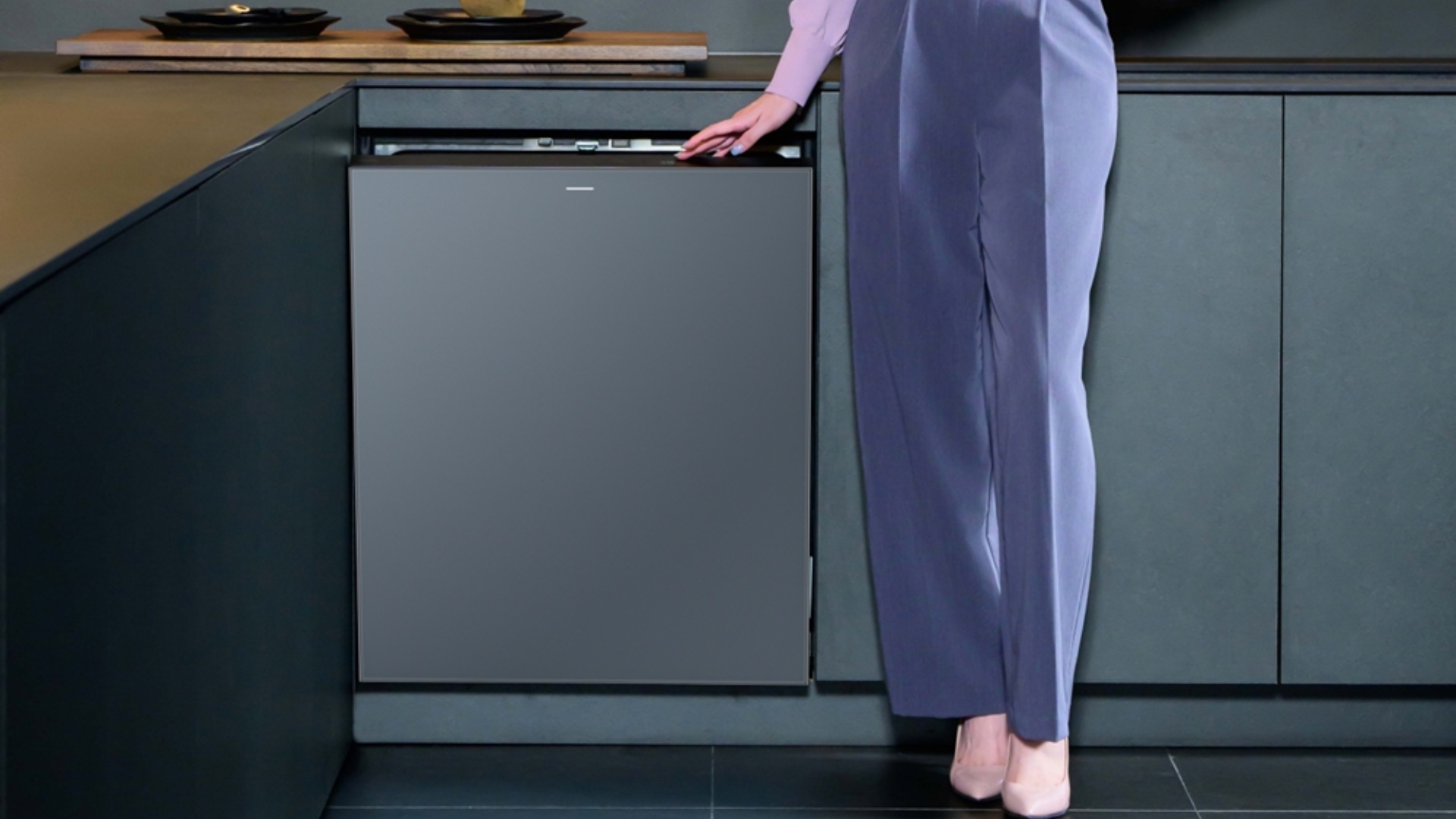
Among the first wave of products to be officially listed in the European Product Registry for Energy Labelling (EPREL) as ESAs are the Bespoke AI Dishwasher and the Bespoke AI Combo. The latter is a revolutionary unit that integrates both washing and drying capabilities into a single, streamlined machine. These appliances are equipped with the "Optimal Scheduling" feature, a core component of the SmartThings platform. This feature automatically detects off-peak electricity hours, scheduling heavy cycles when rates are lower, which directly translates to significant savings on monthly utility bills.
Samsung’s vision extends beyond just individual product efficiency. The company plans to expand its portfolio of CoC-compliant devices, ensuring that every new addition to the Bespoke lineup contributes to a lower carbon footprint. This commitment was highlighted by Hyesoon Yang, Executive Vice President at Samsung’s Digital Appliances team, who emphasized that connected appliances are vital to the global energy transition. By making energy-smart functionality accessible and effortless, Samsung is helping households contribute to a greener planet without sacrificing convenience.
What exactly is the EU Code of Conduct for home appliances?
The Code of Conduct (CoC) is a strategic framework developed by the European Commission to encourage the creation of appliances that can interact with energy grids. The goal is to improve overall energy efficiency by allowing devices to adjust their power usage based on real-time grid conditions and energy availability.
Which Samsung appliances are currently considered Energy Smart Appliances?
As of now, the Samsung Bespoke AI Dishwasher and the Bespoke AI Combo (Washer-Dryer) are officially recognized as Energy Smart Appliances (ESAs) within the European Product Registry for Energy Labelling (EPREL) database.
How does the Optimal Scheduling feature work in SmartThings?
Optimal Scheduling uses data from your energy provider to identify when electricity is cheapest and most abundant (off-peak hours). The SmartThings app then automatically schedules your appliances to run during these times, reducing both energy costs and grid strain.
Does this energy-saving technology make the appliances harder to use?
No, the primary goal is to add intelligence without complexity. Most of the energy-saving adjustments happen automatically in the background through the SmartThings ecosystem, requiring very little manual input from the user.
Will more Samsung products receive this certification in the future?
Yes, Samsung has explicitly stated its intention to launch more smart home appliances that comply with the EU Code of Conduct guidelines as part of its ongoing commitment to sustainability and innovation.
🔎 Ultimately, Samsung's dedication to the EU Code of Conduct signifies a pivotal shift in the home appliance industry toward a more responsible and interconnected future. By merging cutting-edge AI with practical energy-saving features like Optimal Scheduling, Samsung is proving that luxury and sustainability can coexist. As more products join this energy-smart ecosystem, consumers can expect a seamless experience that not only simplifies their daily routines but also plays a crucial role in the global effort toward energy conservation.
Post a Comment