
The End of the Road? Why Galaxy S22 and 2022 Models Might Miss One UI 8.5
The rollout of the highly anticipated One UI 8.5 update officially commenced on May 6, 2026, bringing a wave of new features to the Samsung ecosystem. While Samsung initially took its time to refine the software, the deployment has been remarkably swift for newer hardware. From premium flagships to entry-level budget phones released in 2023 and beyond, the update is spreading fast. However, a shadow of doubt now hangs over older, yet still powerful, devices.
- ✨ Samsung has reportedly halted development of One UI 8.5 for 2022 models.
- ✨ The transition from Android 16 to Android 16 QPR2 creates significant technical hurdles.
- ✨ Galaxy S22, Z Fold 4, and A53 owners may stay on One UI 8.0 as their final version.
- ✨ Samsung is prioritizing long-term support for newer devices eligible for Android 17.
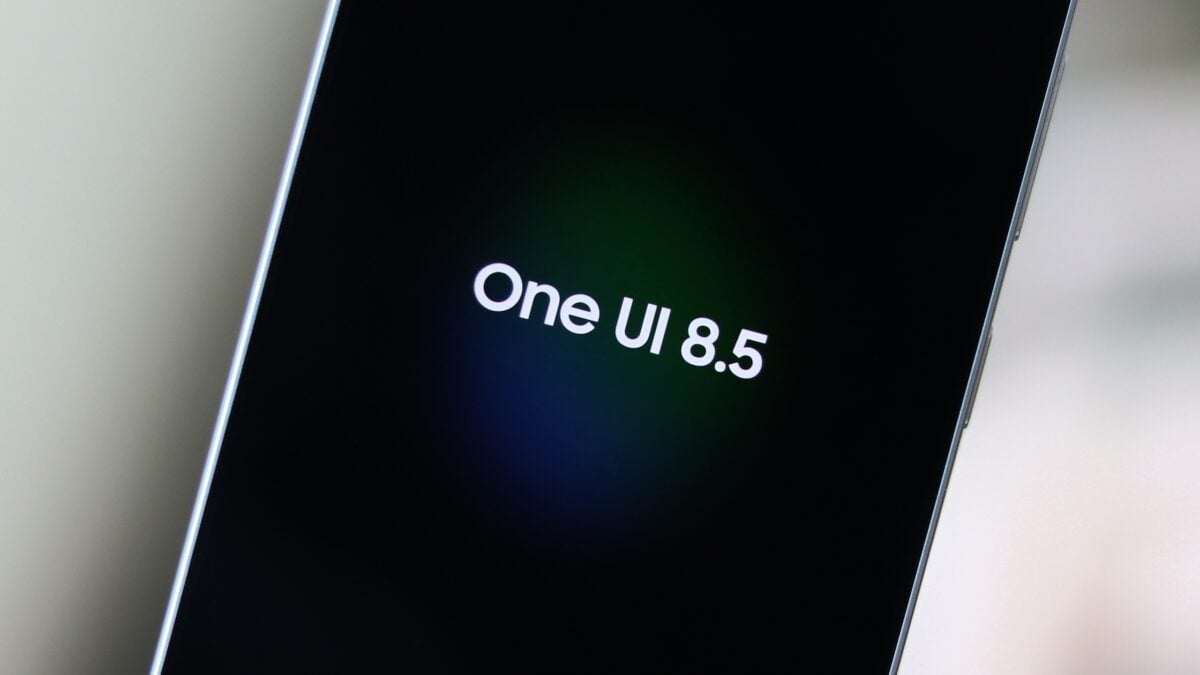
For those clutching a Galaxy S22, Galaxy Z Fold 4, or even the popular Galaxy A53, the question of "if" rather than "when" has become a major concern. Historically, Samsung has provided every incremental One UI point release for devices still within their major OS support window. But 2026 seems to be the year where the traditional update pattern is being rewritten.
Development Stalled: The April Turning Point
Evidence suggests that Samsung did initially plan to bring One UI 8.5 to the 2022 lineup. Early test firmwares for the Galaxy S22 series were spotted on Samsung’s internal servers earlier this year. However, those digital footprints seem to have vanished. Since the first week of April, no new test builds for these older models have surfaced.
Instead of the expected feature-rich builds, the servers are now only showing standard monthly security patches based on the original Android 16 (One UI 8.0) software. This silence usually indicates a shift in resources or a formal decision to cease development for specific hardware branches.
The QPR2 Challenge: Why This Update is Different
The primary reason for this exclusion lies in the technical foundation of the software. In previous years, updates like One UI 6.1 or 5.1 were built on the same core code as their ".0" predecessors. One UI 8.5, however, is a different beast. It is based on Android 16 QPR2.
While it still carries the "Android 16" name, the QPR2 branch introduces deeper platform changes, new APIs, and updated developer tools that weren't present in the initial release. For Samsung, porting this essentially "new" platform to older chipsets requires extensive testing and optimization—resources that are now being funneled into the seven-year support plan for newer flagships like the Galaxy S25 and S26.
Fulfilling the Promise Without the Bonus
It is vital to clarify that Samsung is not reneging on its software commitments. Devices like the Galaxy S22 and Galaxy A53 were promised four generations of major OS upgrades. With the delivery of Android 16, that promise has been technically fulfilled. Incremental updates like One UI 8.5 have always been considered a "bonus" rather than a mandatory obligation.
As Samsung's portfolio grows, the company has to draw a line. If your device is not eligible for the future Android 17 update, it is highly probable that One UI 8.0 will be your final destination. While this might be disappointing for enthusiasts, it marks a new era of efficiency in Samsung's software lifecycle management.
Will the Galaxy S22 receive the One UI 8.5 update?
Current evidence suggests it will not. While test builds were initially spotted, development appears to have stopped in April 2026, leaving the device on the standard Android 16 (One UI 8.0) version.
What makes One UI 8.5 different from previous point releases?
Unlike previous updates that shared the same core code, One UI 8.5 is based on the Android 16 QPR2 branch. This version includes significant platform changes and new APIs, making it more difficult to port to older hardware.
Does this mean Samsung is breaking its update promise?
No. Samsung promised four major OS updates for 2022 models. Since these devices have already received Android 16, Samsung has met its contractual obligation. Point updates like 8.5 are optional additions.
Which devices are confirmed to get One UI 8.5?
According to official announcements, flagship devices from the Galaxy S23 series onward and the last three generations of the Galaxy A series are the primary candidates for this rollout.
Is there any chance for a last-minute change?
While Samsung hasn't officially "canceled" the update for older models, the lack of development activity makes it highly unlikely. However, security patches will continue to arrive as scheduled.
🔎 In conclusion, the shift in Samsung's update strategy reflects the growing complexity of modern Android branches. While owners of the Galaxy S22 and A53 may feel left behind, it is a reminder that the software landscape is evolving. By focusing on devices eligible for Android 17, Samsung aims to provide a more stable and optimized experience for its long-term users. For now, 2022 device owners should enjoy the stability of One UI 8.0, as it likely represents the peak of their device's official software journey.
Post a Comment