
The Rollable Reality Check: Why This Futuristic Tech Might Be a Smartphone Dead-End
The mobile industry is constantly searching for the next big thing to break the monotony of the standard "glass slab" design. While many point to rollable displays as the natural successor to current technology, there are significant reasons to believe this path might lead to a technological cul-de-sac rather than a breakthrough.
- ✨ Mechanical Complexity: Rollable devices introduce significantly more moving parts and potential failure points than current foldable designs.
- ✨ Durability Concerns: The "squeegee effect" poses a unique threat where dust and debris can be pulled into the device, causing internal screen damage.
- ✨ Space Constraints: Internal mechanisms for rolling screens consume massive amounts of space, often at the expense of battery capacity and cooling.
- ✨ Market Viability: High manufacturing costs and repair difficulties may prevent rollable phones from ever reaching mainstream affordability.
The foldable display has served as the industry's—and specifically Samsung’s—primary answer to stagnant smartphone aesthetics. By enabling entirely new form factors, it has pushed the boundaries of what a handheld device can be. However, even the most advanced flexible display technology has its limits, and the transition from folding to rolling might be more difficult than enthusiasts anticipate.
Article Summary
While rollable phones offer a "wow factor," they face extreme engineering hurdles including motorized failure risks, waterproofing difficulties, and severe internal space limitations. As foldable phones continue to mature with better durability and lower costs, the rollable alternative looks increasingly like an expensive niche that may never overcome its inherent design flaws.
Flexible display technology is essentially branching into two distinct paths: the foldable and the rollable. While Samsung has invested heavily in the foldable market, it has notably kept its distance from releasing a commercial rollable device. This hesitation isn't due to a lack of imagination; Samsung holds numerous patents for rollable designs, and former competitors like LG even developed functional prototypes before leaving the mobile space.
I am not suggesting that the pursuit of rollable technology single-handedly ended LG’s mobile division, but it certainly didn't provide the lifeline they needed. I remain highly skeptical of this specific application of flexible screens. While I might be in the minority, I don't believe rollable designs are the future. In theory, they sound revolutionary, but in practice, they introduce a host of compromises that most consumers aren't ready to accept.
Is the Pursuit of Rollable Phones a Dead End?
Personally, I am leaning toward "yes." The engineering and design challenges associated with rollable phones are so vast that mass-manufacturing them at a sustainable price point may never be viable. The deeper you look into the concept, the more the cracks begin to show. Below are the primary reasons why I believe rollable phones may never achieve mainstream success.
- Extra Moving Parts: We already consider Samsung Galaxy foldables to be complex machines. Rollables take this to another level, introducing even more potential points of mechanical failure.
- The Squeegee Effect: Keeping dust away from the internals is a struggle. A screen that rolls into the body can act like a squeegee, pulling in lint and debris that eventually scratches the display from the inside out.
- Motorized Mechanical Failure: Adding motors to a device as frequently used as a phone is a recipe for disaster. If the motor fails, the primary feature of the phone becomes useless.
- Motorized Slowness: To protect the delicate screen, these mechanisms must move slowly. While cool at first, waiting for your phone to "unfurl" just to check a notification will quickly become frustrating.
- Waterproofing Hurdles: It took years to get IP ratings for foldables. Sealing a rollable device against liquid and fine dust is a significantly more difficult engineering task.
- Internal Space Constraints: The rolling mechanism and the stored screen take up a huge amount of room. This leaves very little space for essential components like large batteries or advanced camera sensors.
- Manufacturing and Repair Costs: The R&D costs alone are astronomical. Combined with the difficulty of repairing such a complex device, rollables would likely remain prohibitively expensive for the average user.
- Limited Form Factors: While a Galaxy Z TriFold can expand to three times its size, a rollable device is limited by how much screen it can realistically hide inside a pocketable chassis.
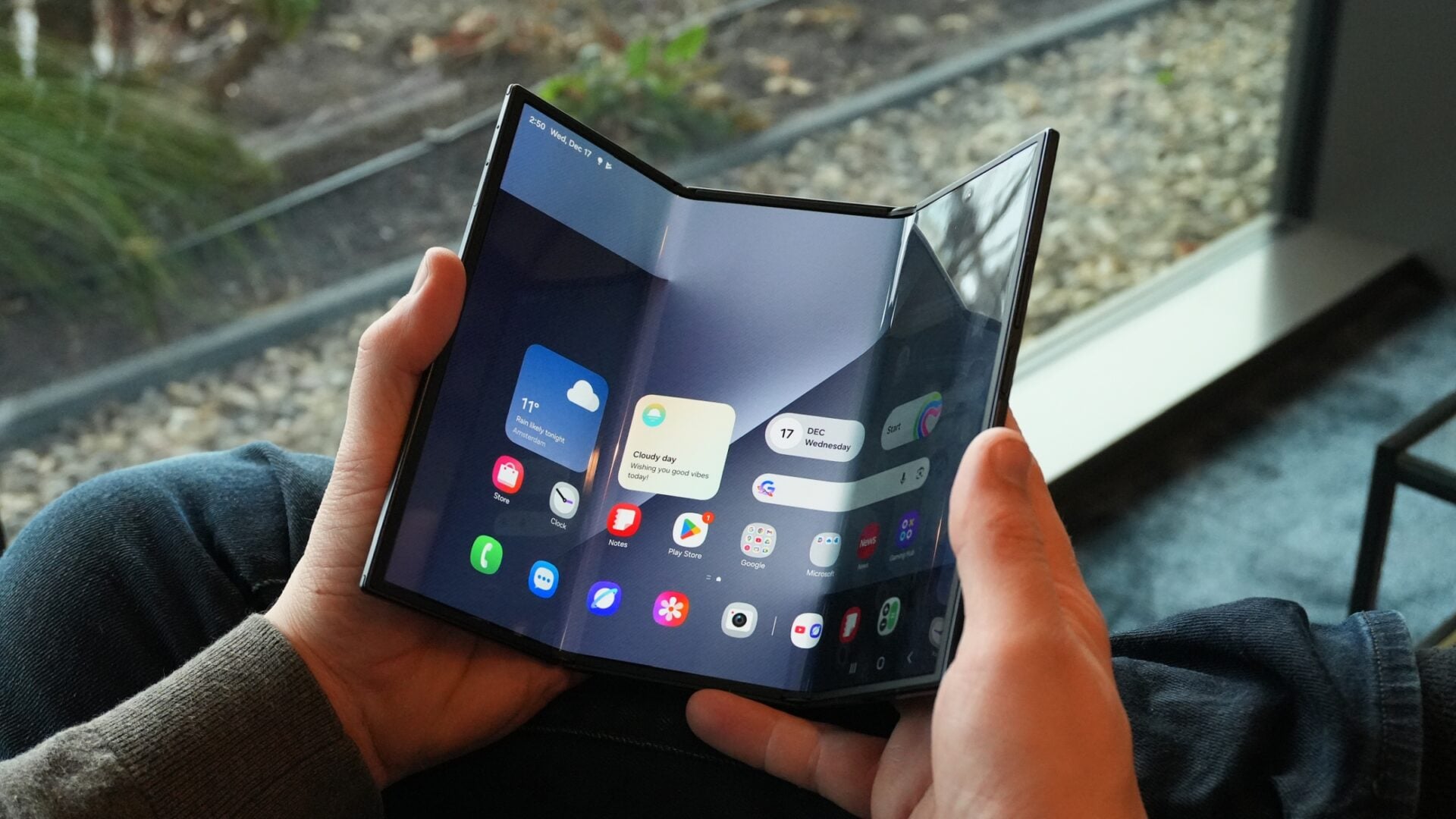
These issues are just the tip of the iceberg. While human ingenuity is capable of wonders, one must ask: at what point does the pursuit become impractical? Right now, rollable phones seem to have crossed that line. Foldables can achieve the same goal of providing multiple form factors with fewer compromises and more durability.
I firmly believe that the foreseeable future of flexible displays belongs to foldables. Rollables feel too ambitious, too fragile, and far too expensive to be a realistic alternative. Perhaps they will find a tiny niche once foldables become "old news," but for now, they don't stand a chance against the refined folding designs we see today.
Why haven't we seen a rollable phone from Samsung yet?
Samsung prioritizes durability and consumer readiness. While they have the technology, the engineering hurdles regarding dust resistance and mechanical longevity currently make rollables less viable for mass production than the Galaxy Z series.
Are rollable screens more fragile than foldable ones?
In many ways, yes. Because a rollable screen must constantly slide against the internal chassis, it is more susceptible to scratches from trapped particles, a problem known as the "squeegee effect."
Will rollable phones eventually replace foldables?
It is unlikely in the near term. Foldables offer a more stable mechanical structure and better space for batteries. Rollables might eventually exist as a premium niche, but they face too many physics-based challenges to replace foldables entirely.
Can a rollable phone be waterproof?
Achieving a high IP rating for a rollable device is extremely difficult because the screen must move in and out of a slot, making it nearly impossible to create a permanent airtight seal against water and fine dust.
🔎 Ultimately, while the dream of a screen that grows and shrinks at the touch of a button is captivating, the practical reality of smartphone usage demands a level of ruggedness that rollable tech simply cannot yet provide. As long as foldables continue to improve in durability and value, the rollable phone will likely remain a fascinating prototype of what could have been, rather than a staple of what will be. Time will tell if engineers can defy these odds, but for now, the fold is where the future lies.
Post a Comment