
Xiaomi 17 Max: The Newest Flagship Powered by Samsung’s 200MP ISOCELL HPB
Samsung has long been a pioneer in the mobile imaging sector, pushing boundaries that many thought impossible. Since the debut of the world's first 200MP sensor, the tech giant has consistently provided high-performance hardware to the global market. The latest recipient of this cutting-edge technology is the Xiaomi 17 Max, a device that aims to redefine mobile photography with Samsung’s most recent high-resolution sensor.
Article Highlights:
- ✨ Xiaomi 17 Max officially adopts the 200MP ISOCELL HPB sensor.
- ✨ Samsung’s high-resolution technology continues to dominate the Chinese flagship market.
- ✨ The ISOCELL HPB features advanced OIS and an f/1.7 aperture for professional results.
- ✨ This marks the second major implementation of the HPB sensor after the Vivo X300 Ultra.
The Rise of 200MP Imaging in Modern Smartphones
Back in 2021, **Samsung** made waves by introducing the ISOCELL HP1. It was the first 200MP camera sensor specifically designed for mobile devices, setting a new benchmark for resolution in the smartphone and tablet industry. Since that landmark release, the company has expanded its portfolio with several iterations of 200MP sensors, each bringing incremental improvements in light sensitivity and processing speed.
The sheer capability of these sensors has made them a favorite among global manufacturers. Chinese brands, in particular, have been eager to integrate **ISOCELL** technology into their premium lineups to provide users with unparalleled detail and zooming capabilities. The trend continues this year as another major player joins the ranks of 200MP-equipped flagships.
Xiaomi 17 Max and the ISOCELL HPB Integration
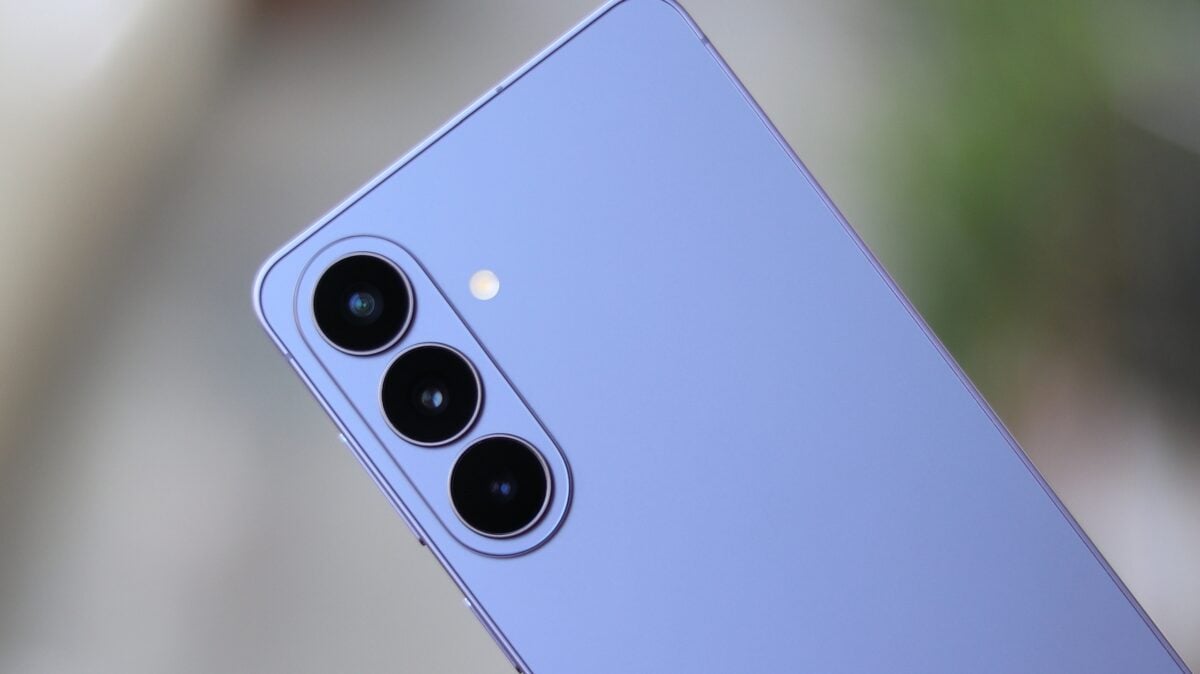
The recent launch of the Xiaomi 17 Max has confirmed the presence of Samsung's latest imaging hardware. According to details shared by the industry insider Ice Universe, the primary rear camera of the Xiaomi 17 Max is powered by the ISOCELL HPB sensor. You can view the original claim on the Ice Universe Link.
Introduced in 2025, the ISOCELL HPB represents the pinnacle of Samsung's 200MP engineering. What makes this implementation particularly interesting is that Samsung has yet to feature this specific sensor in its own Galaxy devices. This strategy highlights Samsung's role as a primary component supplier to the broader industry, even to its direct competitors like **Xiaomi**.
Advanced Camera Specifications
The Xiaomi 17 Max isn't just about high megapixel counts; it’s about how that resolution is utilized. The ISOCELL HPB sensor on this device is paired with an f/1.7 aperture, which allows for significant light intake during night photography. Furthermore, it includes phase detection autofocus and Optical Image Stabilization (OIS) to ensure that every shot is sharp and steady.
Historical data suggests that the Vivo X300 Ultra was the first to debut this specific sensor, making the Xiaomi 17 Max the second high-profile device to harness the power of the HPB. This illustrates a growing ecosystem of "Ultra" and "Max" phones that rely on Samsung’s silicon to lead the mobile photography rankings.
What makes the ISOCELL HPB different from previous 200MP sensors?
The ISOCELL HPB, released in 2025, features improved pixel-binning technology and enhanced low-light performance compared to the original HP1 and HP3 models. It is designed to handle complex lighting scenarios more efficiently while maintaining a compact form factor for flagship designs.
Why hasn't Samsung used the HPB sensor in its own phones yet?
Samsung often sells its latest sensor technology to other manufacturers before or alongside its own flagship releases. This allows them to maximize revenue from their semiconductor division while they optimize their own software for future Galaxy S-series devices.
Does the Xiaomi 17 Max support 8K video recording?
Yes, thanks to the 200MP resolution of the ISOCELL HPB sensor, the Xiaomi 17 Max is fully capable of recording high-definition 8K video, providing professional-grade videography tools to mobile users.
How does OIS improve the 200MP experience?
Optical Image Stabilization is crucial for high-resolution sensors because even the slightest movement can blur a 200MP image. OIS physically moves the lens to compensate for hand tremors, ensuring the massive amount of detail is captured clearly.
🔎 The collaboration between Samsung's hardware expertise and Xiaomi's flagship ambitions has resulted in a powerhouse device for photography enthusiasts. As 200MP sensors become the standard for top-tier smartphones, the ISOCELL HPB stands out as a testament to the ongoing innovation in mobile imaging. The Xiaomi 17 Max is undoubtedly a significant step forward, proving that the megapixel race is far from over and is, in fact, delivering tangible benefits to consumers worldwide.
Post a Comment