
Apple's iOS 27 Revolutionizes RCS Messaging: Better Texting for iPhone and Android Users
A few years ago, Apple and Google joined forces to refine the texting experience between iPhones and Android devices by adopting the Rich Communication Services (RCS) standard. While this was a massive step forward, the initial implementation felt incomplete, leaving many users frustrated by missing features when communicating across different operating systems. Apple is now taking significant steps to bridge this gap, introducing vital enhancements in the upcoming iOS 27 update that promise a much more seamless messaging environment.
- ✨ **Enhanced Inline Replies:** Android users will finally see contextually accurate replies with original messages quoted above.
- ✨ **Fixed Emoji Reactions:** iPhone emoji reactions will now display correctly on Android instead of appearing as awkward text descriptions.
- ✨ **September Launch:** The public rollout of these features is expected alongside the official release of iOS 27.
- ✨ **Universal Profile 2.7 Support:** Leverages the latest standards for editing and recalling sent messages.
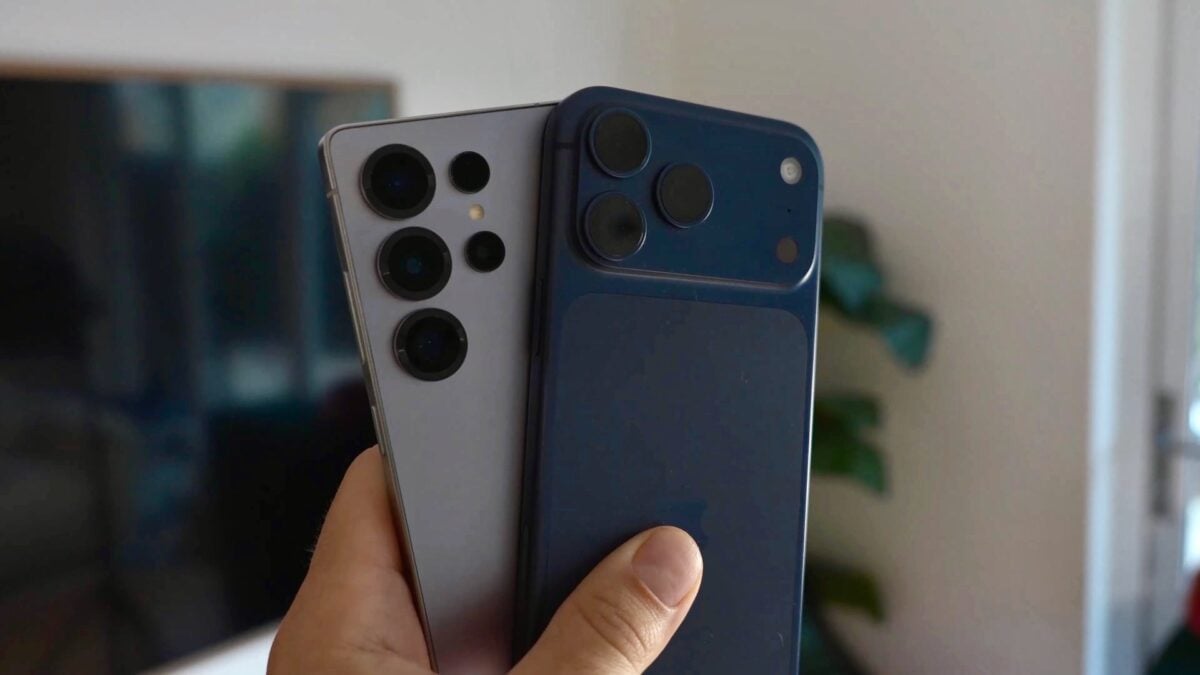
New Improvements in iOS 27 Beta 2
With the recent release of the iOS 27 Beta 2 for supported **iPhone models**, Apple has introduced specific RCS refinements that directly benefit **Samsung Galaxy** and other Android users. One of the most noticeable changes is how the Google Messages app handles responses. Moving forward, inline replies will be displayed with the original message shown clearly above the reply, mimicking the behavior found in iMessage or WhatsApp.
Furthermore, the long-standing "emoji reaction" bug is being addressed. Previously, when an iPhone user reacted to a photo or text sent by an Android user, the recipient would often receive a text-based description like "Liked an image" instead of the actual emoji. In iOS 27, these reactions will be rendered properly as visual icons on Android devices, ensuring the emotional intent of the message isn't lost in translation.
A History of RCS Integration on iPhone
The journey toward better cross-platform messaging began in earnest in June 2024. At that time, iPhones gained the ability to send reactions and replies through the support of RCS Universal Profile 2.7. This update was a milestone, as it also introduced the ability for users to **edit, recall, and delete sent messages**—features that were once exclusive to closed ecosystems. Security also took a front seat with the iOS 26.5 update, which finally integrated end-to-end encryption for RCS chats between Galaxy phones and iPhones.
While the upcoming September release of iOS 27 is expected to significantly improve the user experience, a few hurdles remain. The primary challenge is carrier adoption; many mobile service providers in various regions have yet to enable RCS support for iPhones on their networks, which could limit the availability of these new features for some users.
The Future: RCS 4.0 and Native Video Calling
Looking ahead, the messaging landscape is set to evolve even further with RCS Universal Profile 4.0. This upcoming version promises native video calling between Android and iOS without the need for third-party apps like Zoom or Google Meet. However, as of now, neither Apple nor Google has fully implemented the 4.0 standard. For now, users can look forward to the polished texting experience that iOS 27 will bring this autumn.
How does iOS 27 improve the texting experience between Android and iPhone?
iOS 27 introduces better inline replies and fixes emoji reactions. This means that when you text between an iPhone and an Android device, replies to specific messages will look organized, and emojis will show up as icons rather than confusing text descriptions.
When can users expect the official release of iOS 27?
Apple typically releases its major software updates in September. Users with eligible iPhone models can expect to download the public version of iOS 27 and enjoy these RCS improvements during that month.
Are these RCS features available to everyone immediately?
Not necessarily. While the software will support it, your mobile carrier must also support RCS for iPhones. Currently, some carriers in various countries have not yet activated this feature, so it is best to check with your provider.
Can I now edit or delete messages sent to an Android user from an iPhone?
Yes, thanks to the adoption of RCS Universal Profile 2.7, features like editing, recalling, and deleting sent messages have been integrated, making the cross-platform experience much closer to that of iMessage or Google Messages.
What is the status of native video calling between these platforms?
Native video calling is part of the RCS 4.0 standard. While the technology exists on paper, it has not yet been implemented by Apple or Google, so we are still waiting for this feature to become a reality.
🔎 In conclusion, the advancements in iOS 27 represent a major victory for consumers who value choice in the smartphone market. By breaking down the walls between iPhone and Android messaging, Apple is creating a more inclusive digital environment where the quality of communication isn't dictated by the brand of your device. As we move closer to the September launch, the prospect of a unified, high-quality messaging standard for everyone is finally within reach.
Post a Comment