
Do Galaxy Z Fold 8 Ultra, Fold 8, and Flip 8 Support Satellite Connectivity?
Samsung’s latest lineup of foldable flagship smartphones—including the Galaxy Z Fold 8 Ultra, Galaxy Z Fold 8, and Galaxy Z Flip 8—comes packed with an impressive array of advanced features. While the company heavily promoted their major hardware upgrades during Galaxy Unpacked and in official marketing materials, certain connectivity specifics were left out of the initial spotlight. If you have been wondering about the emergency communication capabilities of these new foldables, here is the official breakdown.
Quick Summary
- ✨ The Galaxy Z Fold 8 Ultra, Galaxy Z Fold 8, and Galaxy Z Flip 8 all support satellite connectivity.
- ✨ Feature availability is strictly dependent on your specific geographical region and mobile carrier support.
- ✨ Satellite communication on these devices is exclusively restricted to emergency services and cannot be used for standard calls, texts, or general internet browsing.
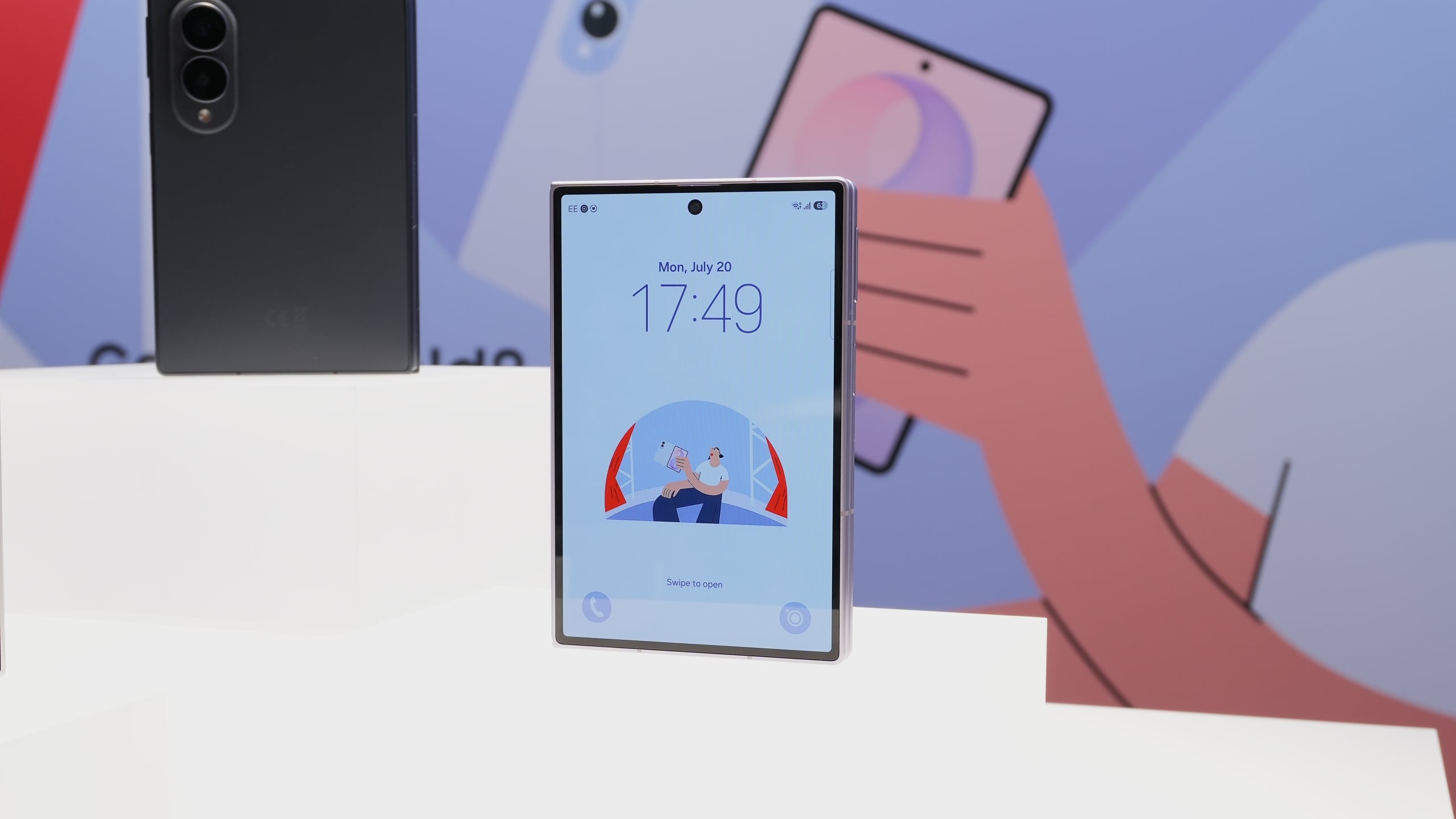
Understanding Satellite Connectivity on Samsung's New Foldables
One of the most frequently asked questions regarding modern high-end mobile devices involves emergency satellite communication. When venturing into remote regions devoid of traditional cellular towers or Wi-Fi networks, users heavily rely on satellite features for critical safety. Fortunately, Samsung has equipped the Galaxy Z Fold 8 Ultra, Galaxy Z Fold 8, and Galaxy Z Flip 8 with built-in satellite connectivity hardware, continuing a trend that first debuted with the Galaxy S25 series.
However, gaining access to this capability is not entirely universal. The feature's functionality is directly tied to regional rollouts and whether your specific wireless carrier supports satellite relay services. Where supported, these devices can act as a crucial lifeline when standard networks fail.
How to Access Satellite Features in an Emergency
If you find yourself in an urgent situation within a dead zone, the standard procedure involves dialing local emergency numbers (such as 911). When a conventional cellular or Wi-Fi connection cannot be established, the device software will automatically present an “Emergency text via Satellite” prompt alongside a dedicated green satellite icon on the screen.
Tapping this option allows you to follow simple on-screen calibration and connection instructions, letting you securely transmit your precise location and situation details to emergency dispatchers. Please note that this system is strictly built for survival and emergency response; users cannot utilize satellite mode to exchange personal text messages, browse social media, or make standard phone calls to friends and family.
Do all models in the Galaxy Z Fold 8 lineup support satellite text messaging?
Yes, the entire flagship foldable family—including the standard Fold 8, the premium Fold 8 Ultra, and the compact Flip 8—includes the necessary hardware for satellite-based emergency messaging.
Can I use satellite connectivity for everyday internet browsing?
No, the satellite functionality on these Samsung devices is strictly reserved for communicating with emergency services when cellular and Wi-Fi networks are completely unavailable.
Does my carrier need a special plan to use satellite SOS?
Yes, availability depends heavily on your carrier's infrastructure and regional agreements. You should check with your mobile service provider to confirm whether satellite emergency features are active in your area.
Which was the first Samsung phone series to introduce this feature?
Samsung first introduced satellite connectivity support with the Galaxy S25 smartphone lineup, and the company has since expanded the technology across its newer flagship and foldable releases.
🔎 Ultimately, Samsung's decision to integrate satellite connectivity into the Galaxy Z Fold 8 and Galaxy Z Flip 8 ensures that foldable phone enthusiasts do not have to compromise on safety features. While hopefully you will never need to use it, having reliable emergency satellite access right in your pocket provides invaluable peace of mind when exploring off-the-grid locations.
Post a Comment